Get Full Government Meeting Transcripts, Videos, & Alerts Forever!
Get email alerts on the Anaerobic Digesters topic
No spam. Unsubscribe anytime.
Lawmakers hear competing views on bills to reclassify and streamline permits for anaerobic digesters
Summary
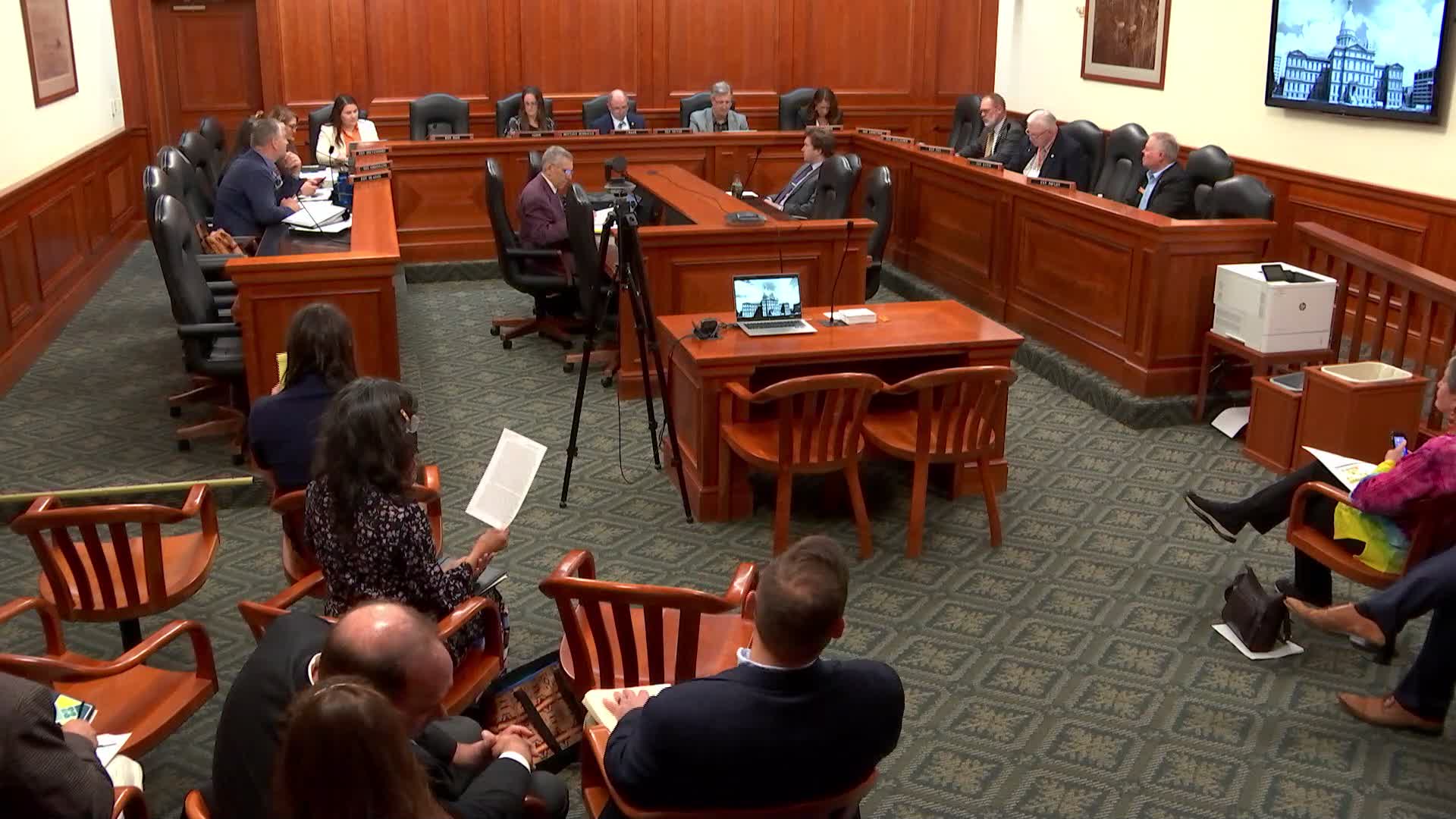
The Michigan House Agriculture Committee took testimony on House Bills 4257 and 4265, measures that would reclassify the byproduct of anaerobic digesters and create a streamlined permitting and reporting framework for digesters that convert manure and other organic feedstocks into renewable natural gas.
The Michigan House Agriculture Committee took testimony on House Bills 4257 and 4265, measures that would reclassify the byproduct of anaerobic digesters and create a streamlined permitting and reporting framework for digesters that convert manure and other organic feedstocks into renewable natural gas.
Sponsor Representative Andrew Andrews, the bill sponsor, told the committee the package is a reintroduction of prior legislation intended "to try to address some issues around the regulatory climate for methane digesters in the state of Michigan" and said, "my hope, our hope, I think, is that this will create a clean and clear process so that these digester companies...have a clear set of guidelines." He summarized provisions that would reclassify digestate under material management rather than as wastewater, limit feedstock to organic materials such as manure and food or crop waste (prohibiting plastics and cardboard), allow on‑site management where digestate is used as fertilizer, require quarterly testing with five years of records, require operators to complete approved training within a year of opening, and create a simplified permitting path with a flat fee and a requirement that EGLE approve or deny permits within 180 days — "If the 180 day timeline passes, then the permit would just be automatically approved," Andrews said.
Why it matters: the bills would change which state rules apply to digesters, how quickly permits are processed and whether compliance with Generally Accepted Agricultural Management Practices (GAMPs) could substitute for a water quality permit administered by the Department of Environment, Great Lakes, and Energy (EGLE). Committee members pressed for detail on timelines and agency capacity; some asked whether the Michigan Department of Agriculture and Rural Development (MDARD) might be a more appropriate regulator for agricultural digesters.
Supporters said the bills would bring regulatory certainty, local jobs and renewable energy. Michael Limo, senior director of legislative and external affairs for the Michigan Chamber, said the sector is a "triple win" that supports farmers, diversifies energy and helps decarbonize systems. Charles Kepner, director of government affairs at Vanguard Renewables, described Vanguard's model on small multi‑generational farms and said the company "depackages and preprocesses" incoming food waste and tests digestate before land application. Mike Wachowski of the Michigan Manufacturers Association and Scott Pickett of the Michigan Corn Growers Association emphasized potential benefits for food processors, farmers and rural jobs; Pickett noted expected reductions in odor and microbes from digestion and called the legislation a long‑awaited step to support renewable energy on farms.
Opponents warned the bills would amount to deregulation that risks water quality and public health if digestate and mixed feedstocks are not tightly regulated. "If passed, these bills would put Michigan in violation of our own existing state laws, federal laws, and a recent Michigan Supreme Court decision that affirmed the authority...to regulate and protect the waters of our state," said Christie (Sierra Club representative). Megan Tinsley, Water Policy Director for the Michigan Environmental Council, testified the bills "would deregulate hazardous waste streams by not requiring a water quality permit through EGLE if digestate is managed in compliance with the Generally Accepted Agricultural Management Practices, or GAMPs," adding that GAMPs are voluntary guidance and are not a substitute for statutory permits under the Clean Water Act. Representatives from Clean Water Action and an independent public‑health physician, Cheryl Ruble, raised concerns about PFAS, microplastics, heavy metals, pharmaceuticals and pathogens in mixed digestate, the potential for fugitive methane emissions and the real‑world risks of land‑applying a mixed industrial byproduct.
Researchers from Michigan State University framed additional technical context. George Smith, director of MSU AgBioResearch, and Dr. Wei Liao of MSU's Anaerobic Digestion Research and Education Center presented university data on nutrient content, odor and pathogen reductions. Liao said MSU research shows digestion can reduce odor "90% to 99%" and described nutrient proportions in manure versus food‑waste digestates; he said MSU operates a research digester and land applies digestate to campus fields under monitoring and reported no observed groundwater contamination at campus monitoring wells.
Committee members asked several operational and policy questions during testimony: why 180 days for permit action was chosen and whether 90 days would be feasible; whether EGLE has sufficient permitting staff; whether digesters should be regulated by MDARD because they are agricultural in use; how many digesters already operate in Michigan; and how proposed bills compare with other states. Andrews and industry witnesses said 180 days was intended to balance the need for careful review with predictability for investors and farmers; opponents urged stronger, not weaker, state oversight and cited legal memos arguing GAMPs cannot replace EGLE water permits.
Formal actions: the committee adopted the minutes from the prior meeting by unanimous consent at the outset; the bills themselves received testimony only and were not voted on. Committee members repeatedly directed that questions about agency staffing, permitting timelines and comparative state frameworks be sent to EGLE and MDARD for follow‑up.
The committee did not take a formal vote on House Bills 4257 or 4265 at this hearing. Additional briefings and agency responses were requested; sponsors and stakeholders signaled they expect further negotiations and technical revisions before any committee action.
Next steps: the committee will retain the bills for further consideration while staff compiles agency responses and additional technical data requested during testimony.