Get Full Government Meeting Transcripts, Videos, & Alerts Forever!
Get email alerts on the Transit topic
No spam. Unsubscribe anytime.
StanCOG official outlines statutory unmet-transit-needs process, urges local input
Summary
Jean Felitta of the Stanislaus Council of Governments presented the annual unmet transit needs (UTN) process — required by the Transportation Development Act — and encouraged Waterford residents to comment; Move Stanislaus was cited as a local program that began through the UTN process.
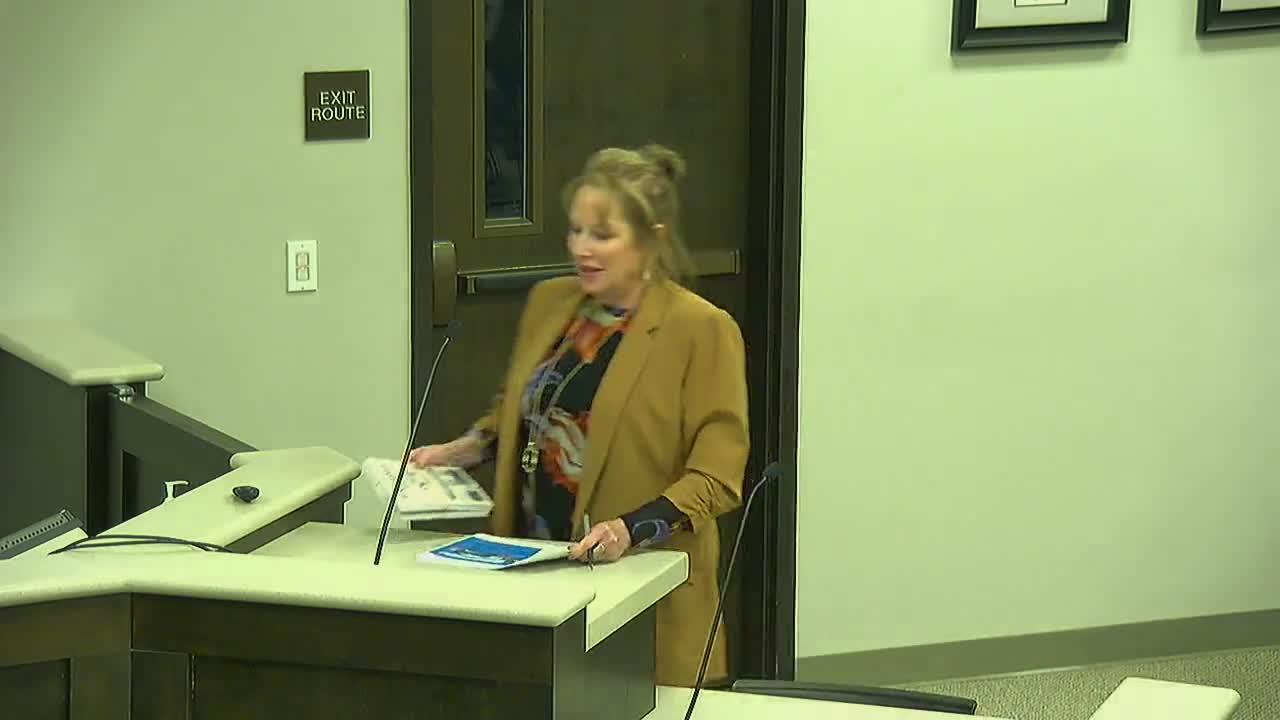
Jean Felitta, deputy director of operations for the Stanislaus Council of Governments (StanCOG), told the Waterford City Council that the region’s annual unmet-transit-needs review is governed by state statute and feeds decisions about distribution of local transportation funds.
The process, Felitta said, requires outreach, a public hearing and a written UTN analysis that determines whether identified needs are “reasonable to meet.” StanCOG’s standing Social Services Transportation Advisory Committee (STAC) helps identify needs and recommends action to StanCOG’s policy board for final approval.
“Part of the charge of the STAC … is to annually participate in the identification of the transportation needs in the jurisdictions of Stanislaus County and those that might be reasonable to meet,” Felitta said. She described the three UTN categories used for the review and said StanCOG works with transit operators — including StanRTA, Turlock Transit and Move Stanislaus — when evaluating requests.
Felitta cited Move Stanislaus as an example of a service that began after the UTN process identified a senior community need for door-through-door transportation; community support and a subsequent study produced a program the region considered reasonable to meet. She said StanCOG will compile public comments, consult transit operators about feasibility, prepare the UTN analysis report and take that report to its policy board; Waterford Mayor Gokin sits on that board.
During public comment on the item, a local Measure L oversight representative noted that the regional Measure L program has directed substantial funds to countywide transit and road projects and encouraged residents to review the annual report and outreach materials available online in English and Spanish.
Felitta said StanCOG will hold a public hearing at its policy board meeting in March and urged the council to promote opportunities for residents to submit comments, particularly from elderly or disabled riders who rely on transit. She left printed flyers in English and Spanish and agreed to provide an electronic copy of her presentation to council staff on request.
Why it matters: The UTN process guides how StanCOG and local transit operators prioritize improvements and spend local transportation funds. Council members and staff said outreach matters because the program can generate new services when a documented community need is found to be reasonable to meet.
What’s next: StanCOG will accept outreach comments, hold the March public hearing, compile the UTN analysis report and present that report to the StanCOG policy board for approval before funds are distributed to transit operators.