Get Full Government Meeting Transcripts, Videos, & Alerts Forever!
Get email alerts on the Water Rates topic
No spam. Unsubscribe anytime.
Commissioners, engineers and residents debate water-rate increases as department reports show rising bulk water costs
Summary
Residents and county staff discussed a proposed water rate increase after the Trumbull County Sanitary Engineers reported large year-over-year bulk water cost increases; commissioners said they need more answers before deciding and warned of potential fiscal risk if no action is taken.
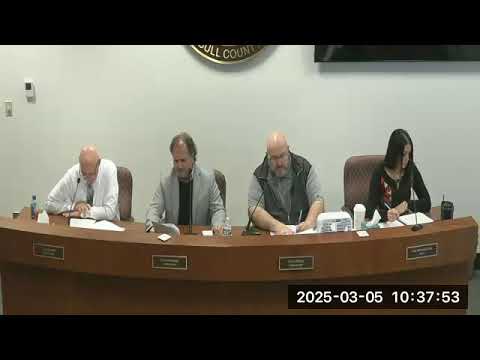
Residents pressed commissioners about proposed water-rate increases and county budget shortfalls during an extended public-comment period. The Trumbull County Sanitary Engineers department and commissioners outlined why the county is considering a rate increase and described recent accounting and cost pressures.
Bob Nanko and other residents urged the board to avoid layoffs and consider reduced workweeks instead of cuts. Several speakers said sharp increases in water and sewer bills were difficult for residents on fixed incomes. Commissioners repeatedly said they were sympathetic but that the county must avoid a fiscal emergency.
Gary Newbrow, Trumbull County sanitary engineer, clarified accounting questions raised at a previous workshop. Newbrow told the board he adjusted revenue and expense figures to remove interfund money transfers that had inflated revenue; he said total gross revenue was in line with prior years when transfers were excluded but that expenses rose substantially in 2024. Newbrow said a $980,000 increase in bulk water costs accounted for roughly 83% of the year-over-year expense increase and that the department stood to lose between $1.2 million and $1.6 million for the year without a rate increase. He described a starting unencumbered balance of about $620,000 and a recent drawdown of roughly $220,000 over two months.
Commissioner Rick Hernandez said the county must act to avoid operating in the red and warned of consequences for county services and economic development if the utility enters a fiscal emergency. Commissioner Malloy and Commissioner Bernard said they want more detailed answers before voting on any increase; Malloy said he had “a lot of questions” and would not support a rate increase until staff provided additional information.
Alex Stephen from the human resources office reminded the board that union contracts and collective bargaining limit some options and urged early engagement with unions on potential cost-sharing measures. Alex provided the commissioners with a list of measures HR could pursue, including voluntary layoffs, temporary pay adjustments, and administrative savings opportunities.
No vote was taken. The sanitary engineer and commissioners agreed to provide additional financial detail and pursue cost-saving measures while seeking options that minimize impacts on residents. Several public commenters urged a sales-tax increase on the ballot instead of property-tax or utility-rate changes; the commissioners said they would consider putting a measure to voters if recommended.