Get Full Government Meeting Transcripts, Videos, & Alerts Forever!
Senator Peters, Witnesses Cite Repeated Damage to Enbridge Line 5 and Call for Standards
Summary
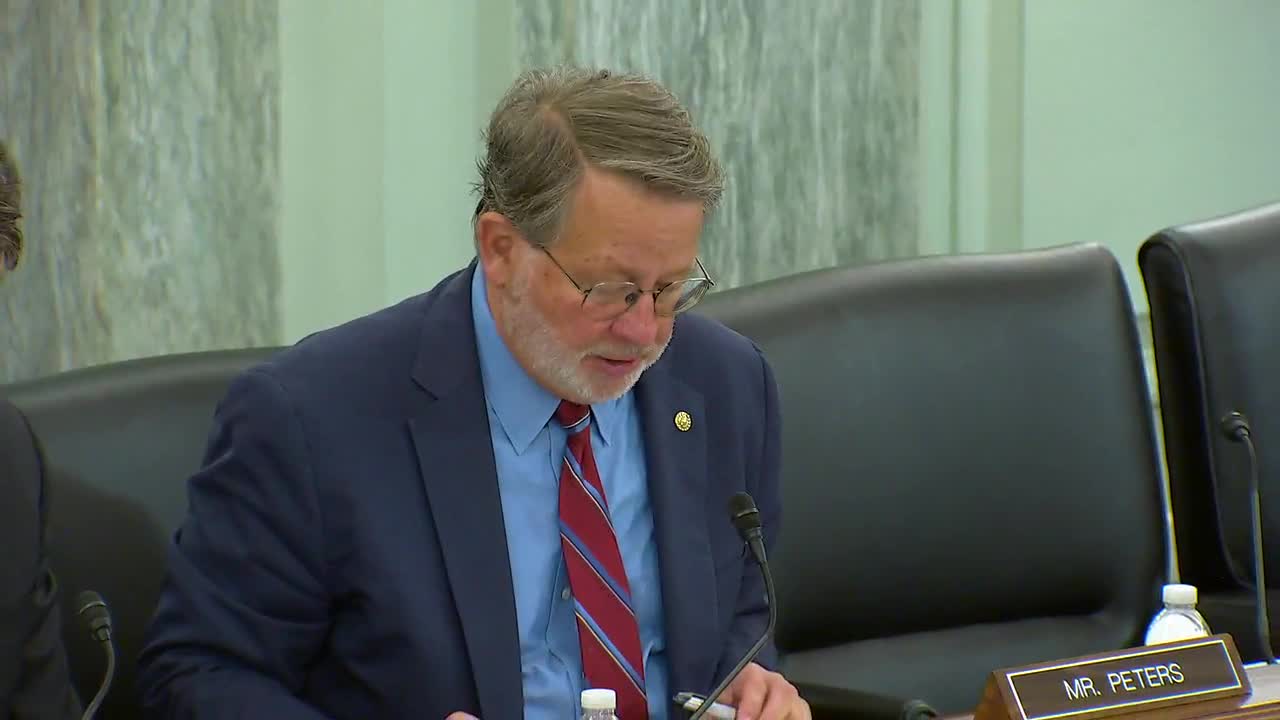
Senator Gary Peters and witnesses recounted recurring integrity issues with Enbridge Line 5 under the Straits of Mackinac, warned of catastrophic risk to the Great Lakes and described the Great Lakes Center of Expertise as part of the response framework.
Senator Gary Peters used the Senate Commerce subcommittee hearing to highlight the risks posed by Enbridge Line 5 as it crosses the Straits of Mackinac and to urge stronger standards and continued research on response capability.
The matter is urgent for Michigan and other Great Lakes states because Line 5 runs beneath the Straits and the Great Lakes provide drinking water for tens of millions of people.
Peters described a series of incidents on Line 5 and elsewhere to illustrate the danger. He…
Already have an account? Log in
Subscribe to keep reading
Unlock the rest of this article — and every article on Citizen Portal.
- Unlimited articles
- AI-powered breakdowns of topics, speakers, decisions, and budgets
- Instant alerts when your location has a new meeting
- Follow topics and more locations
- 1,000 AI Insights / month, plus AI Chat