Get Full Government Meeting Transcripts, Videos, & Alerts Forever!
Get email alerts on the Leak Detection Materials topic
No spam. Unsubscribe anytime.
Lawmakers, Watchdogs Press for Updated Leak-Detection Rules and Action on Risky Pipeline Materials
Summary
Senators and safety witnesses said leak-survey rules are outdated, pointed to methane emissions and material failures tied to fatalities, and recommended mandatory modern leak-detection rules, removal of known-prone materials and geohazard regulations.
Senators and witnesses at the Senate Commerce subcommittee hearing said existing rules on leak surveys and several pipeline materials and geohazard vulnerabilities are out of date and have contributed to fatal incidents.
The matter is significant because witnesses tied decades-old regulatory gaps and material failures to recent deaths, injuries and high-emission events that affect public safety and the environment.
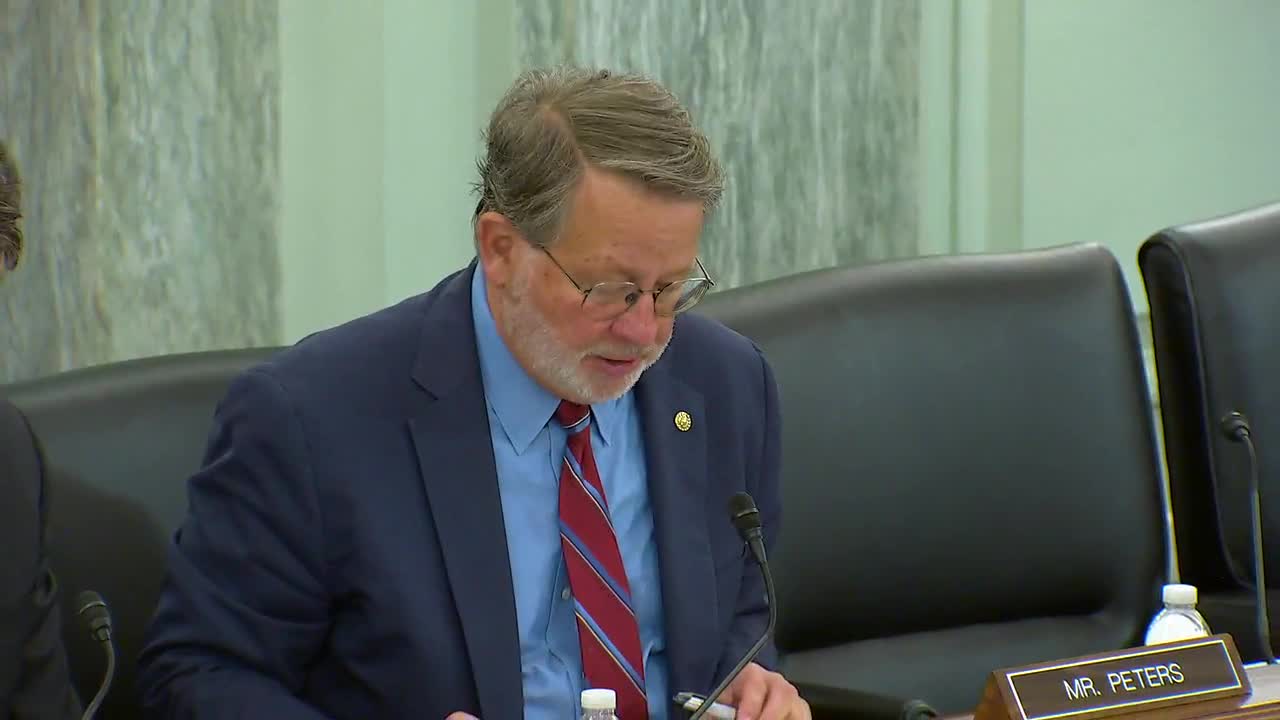
Senator Gary Peters summarized the stakes in Michigan: “The Great Lakes is a source of drinking water for over 40,000,000 people,” he said, and described repeated integrity issues on Enbridge Line 5 under the Straits of Mackinac. Peters also cited national incident statistics: “Over the past 20 years, the pipeline incidents have caused 257 deaths, over 1000 injuries, and over $11,000,000,000 in damages.”
Witnesses said leak-detection requirements in the federal code have not kept pace with available technology. Andrew J. Black noted that PHMSA produced an initial rulemaking on leak detection and repair but that it was withdrawn late in the previous administration. Richard Leger said his company has deployed vehicle-mounted methane detection systems and is willing to share data to encourage wider adoption.
Witnesses and members repeatedly raised material failures and geohazards. Bill Karam pointed to past deadly failures and recommended taking Aldyl A plastic out of service, saying the material “has been known to be... a material prone to failure for decades.” Senator Maria Cantwell and others urged stronger, specific geohazard regulations; Karam said recent incidents can be attributed increasingly to landslides, seismic movement and other ground-shift risks and recommended PHMSA adopt mandatory geohazard mitigation standards rather than voluntary guidance.
Karam also highlighted in-home methane detectors as a low-cost, high-impact intervention. He told senators that natural gas alarms or methane detectors “would undoubtedly save lives” if installed in homes and businesses served by gas distribution systems, echoing a recent NTSB recommendation cited in testimony.
Senators said they will consider legislative fixes, including requirements for updated leak-detection rules, clearer repair timelines, removal of known-prone materials from distribution systems and new performance-based geohazard regulations.