Lifetime Citizen Portal Access — AI Briefings, Alerts & Unlimited Follows
Nominee for Political‑Military Affairs Emphasizes Foreign Military Sales Reform, ITAR Fixes and Support for Taiwan
Loading...
Summary
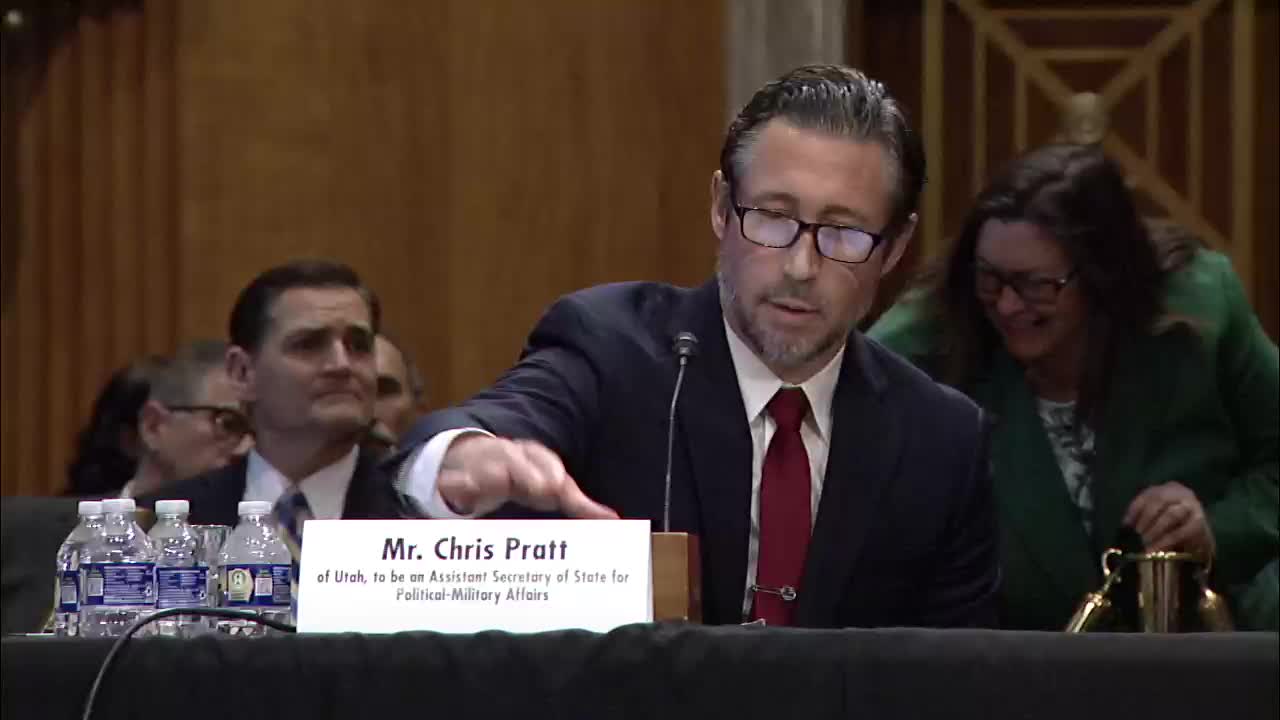
Michael Pratt, President Trump's nominee for Assistant Secretary for Political‑Military Affairs, told senators he will work to streamline foreign military sales, address ITAR delays and cooperate with Congress on arms transfer reviews; senators pressed him on speeding deliveries to Taiwan and on CHERG commitments.
WASHINGTON — Michael Pratt, the White House nominee to lead the State Department's Bureau of Political‑Military Affairs, told the Senate Foreign Relations Committee he will prioritize reforming foreign military sales (FMS) processes, reducing International Traffic in Arms Regulations (ITAR) delays and improving coordination with Congress and industry to get equipment to U.S. partners more quickly.
Pratt said improving the efficiency of U.S. foreign military sales and streamlining regulatory processes are "top priorities." "There is a lot of work to be done, to make [ITAR] more efficient and more effective," he told the committee, and said he had been directed by the deputy secretary to take on ITAR as a principal agenda item.
Senators repeatedly pointed to multi‑year delivery delays for approved sales to Taiwan and other allies and urged both regulatory reform and stronger engagement with the U.S. defense industrial base. Pratt said he would take a comprehensive review of how to help Taiwan clear a backlog of deliveries and said he was supportive of legislative ideas to shorten congressional notification timelines for Taiwan, referencing the "Porcupine Act" concept raised in committee discussion.
Humanitarian and legal safeguards were also discussed. Sen. Tammy Duckworth asked Pratt whether he supported continued implementation of the State Department's Civilian Harm Incidents Response Guidance (CHIRG); Pratt replied he would "support all applicable law" and the president's 2018 conventional arms transfer policy and pledged to work with the committee on the congressional review process for arms sales.
Why it matters: Allies such as Taiwan face rising security threats and rely on timely deliveries of defensive systems. Senators from both parties said reforming ITAR and the FMS pipeline is vital to deter potential aggression and to preserve U.S. competitiveness in the defense industrial base.
Discussion vs. decision: Pratt framed his answers as commitments to work with Congress and implement administration directives if confirmed. The committee did not vote on policy changes during the hearing.
Ending: Pratt said he would lead with "transparency, engagement and a clear sense of purpose" to align diplomatic and defense priorities, and he pledged to review regulatory barriers that slow transfers of approved equipment.