
Millcreek residents urge council to fund feasibility study on splitting Granite School District
Get AI-powered insights, summaries, and transcripts
Sign Up Free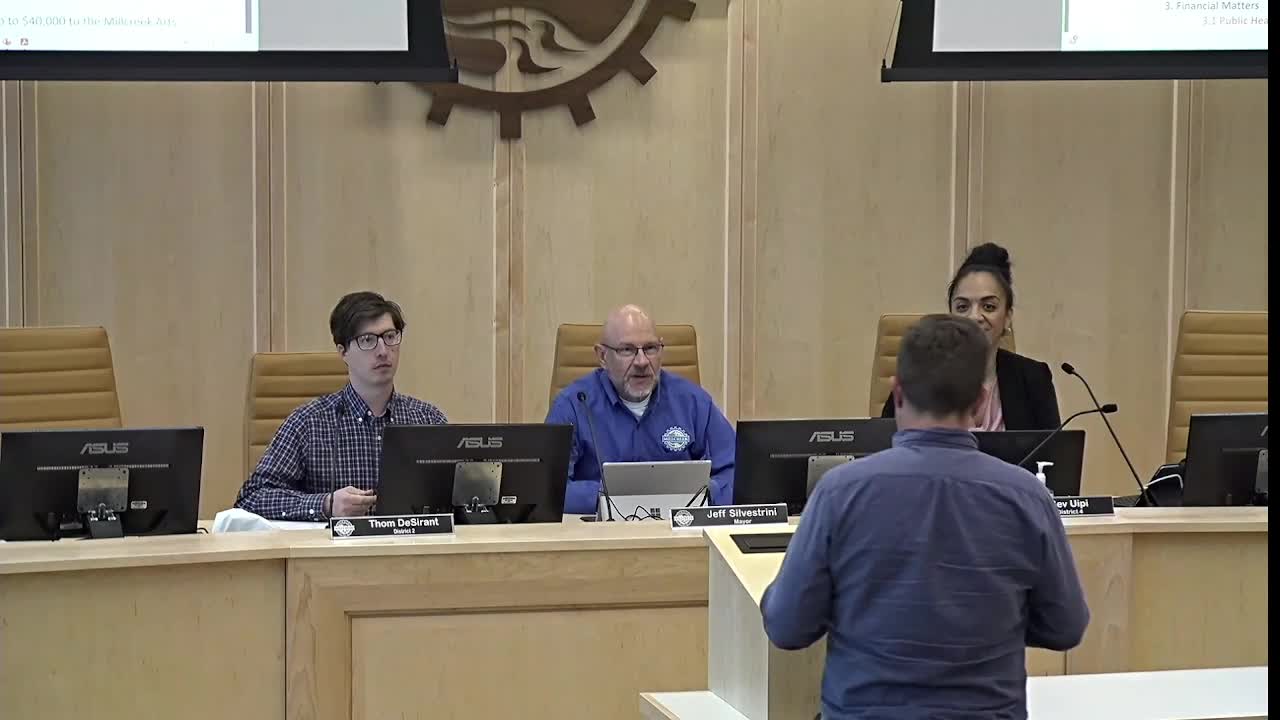
Summary
At the April 14 Millcreek City Council meeting dozens of parents and residents urged local leaders to support a feasibility study and potential ballot measure to create a smaller, more locally governed school district. Speakers cited recent and possible school closures, equity concerns and a proposed GoFundMe to raise $50,000 for the study.
Dozens of Millcreek residents used the public-comment period at the Millcreek City Council’s April 14 meeting to press elected leaders to allow and, if necessary, fund a feasibility study into splitting Granite School District so Millcreek — potentially with neighboring cities — could elect its own school board.
The comments focused on recent and possible school closures that speakers said have harmed neighborhoods and on the lack of local representation on the existing district board. “It’s not about school closures, it’s about when the closures happen, we wanna be the ones making those choices,” said Taylor Davis, a Millcreek parent who told the council Millcreek currently has no member of the Granite School District board living inside Millcreek City boundaries.
Why this matters: A feasibility study and any later ballot measure would determine whether Millcreek could form a separate district, how property taxes and school funding would shift, and who would decide school closures and programming locally. Speakers warned closures can depress neighborhood stability and home values and urged the council to let residents pursue an option they said could preserve neighborhood schools.
Multiple parents and community members described specific ties to affected schools and student outcomes. Greg (last name redacted) told the council that Eastwood and Morningside elementaries perform above district averages and have stable enrollments; Rachel Smith emphasized post‑secondary employment challenges for students with disabilities and argued smaller districts can better serve those students. Several speakers described Eastwood, Oak Ridge, Rosecrest, William Penn, Morningside and other neighborhood schools as central to why families chose to live in Millcreek.
Community members also proposed paying for the study themselves. “Today we started a GoFundMe to fund the feasibility study,” said Mindy Lofgren, noting community donors were prepared to raise roughly $50,000 so the city would not have to allocate general-fund dollars.
Mayor Jess Silvestrini responded to the public comments and outlined procedural constraints and the council’s criteria. Silvestrini said the council wants to see broad support across Millcreek, including from the West Side neighborhoods, and from the other jurisdictions potentially involved (Holiday and South Salt Lake). He warned a November 2025 ballot would be a tight timeline because state law requires negotiating any interlocal agreement among cities, issuing a request for proposals, hiring a consultant and holding public hearings before a county clerk can include an item on the ballot. “The timeline on this is so tight, I think it’s unrealistic,” he said, but added the council could fund a study if it hears broad-based support and if the community raises funds.
What the council asked for: Multiple council members and the mayor urged organizers to build outreach on the West Side of Millcreek and to provide specific criteria showing the level of citywide support they want to see. Council members said they had received many emails from parents of schools at risk but had not yet heard comparable messages from West Side residents; the mayor said he had emailed Holiday and South Salt Lake mayors and received a preliminary reply from Holiday.
What’s next: Organizers said they will continue outreach and fundraising; residents suggested the group could return with a check for a feasibility study and specific demonstration of West Side support. The council did not adopt any formal funding measure at the meeting.
Ending: The meeting closed public comment after roughly an hour of remarks and moved on to planning and budget items. Council members said they remain open to funding a study but reiterated it must be coordinated across affected jurisdictions and follow state deadlines before a ballot question can be scheduled.