Get Full Government Meeting Transcripts, Videos, & Alerts Forever!
Get email alerts on the Zoning Legislation topic
No spam. Unsubscribe anytime.
Council hears legal update on state down‑zoning change; staff recommends monitoring pending bills and limited re‑adoption options
Summary
Town planning director Jeff Trezenberg and town legal staff briefed the council on recent state legislation that altered the definition of down‑zoning in nonresidential districts and said one local ordinance (52‑86) may be affected; staff recommended monitoring several pending bills and considering targeted readoption only if necessary.
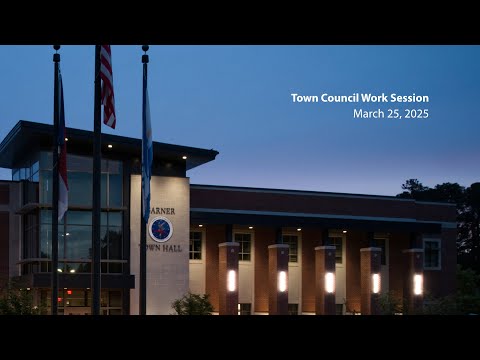
Jeff Trezenberg, Garner planning director, told the council on March 25 that a recent change in state law altered the statutory definition of “down‑zoning” for certain nonresidential zones and could render some local ordinances unenforceable if they create new nonconformities.
Trezenberg said the town reviewed its ordinances and identified nine ordinances adopted during the affected period; only one — ordinance 52‑86 — appeared to raise significant concerns under the new definition. Under the revised statutory language Trezenberg described, creating a new nonconformity in a nonresidential zoning district can be deemed down‑zoning and cause the entire ordinance to be void rather than only the conflicting sections.
The planning director presented three general paths for the council to consider: (1) take a “wait and see” approach while monitoring several bills in the General Assembly that could reverse or modify the change; (2) selectively readopt portions of local ordinances that staff and legal counsel agree are appropriate to preserve; or (3) pursue a local exemption bill. Trezenberg said many North Carolina jurisdictions and municipal planning and legal groups are pursuing a cautious approach because several bills have been introduced that could reverse or narrow the change.
Town legal staff told the council there are companion bills at the state level with bipartisan sponsors (Trezenberg referenced a House bill and a companion Senate bill) and additional Wake‑County‑level bills that might extend protections to Wake municipalities. Staff also noted practical difficulties if the town decides to re‑adopt: the readoption process may require planning commission consideration for consistency and other procedural steps, and it was unclear whether immediate readoption would be necessary if a statewide fix were enacted.
Trezenberg said the problem is not hypothetical: if a single conflicting provision exists in an ordinance, the statute as interpreted could affect the enforceability of the whole ordinance. The planning director asked the council for direction; multiple members said they preferred monitoring the pending legislation and asked staff to flag any future local actions that could be sensitive to the law change.
Why it matters: the change affects the town’s zoning authority in nonresidential and mixed‑use districts and could change whether certain local amendments remain enforceable. Town staff recommended waiting for legislative developments while preparing options to preserve critical local rules if needed.
Council members discussed potential approaches and asked staff to stay engaged with municipal associations and state legislative contacts. Legal staff advised that if the council wanted to re‑adopt portions of ordinance 52‑86, staff would report back on the procedural steps required.