Get Full Government Meeting Transcripts, Videos, & Alerts Forever!
Get email alerts on the Resident Protection Amendment topic
No spam. Unsubscribe anytime.
Summit amends 'resident protection' code to target tools tied to vehicle thefts; debate centers on effectiveness
Summary
The council held and adopted an amendment to the city's resident-protection ordinance to expand enforcement tools against people possessing signal-boosting or key-cloning devices; supporters said it aids prosecutions and plea negotiations, while critics said state law already addresses major theft crimes and local fines may be ineffective.
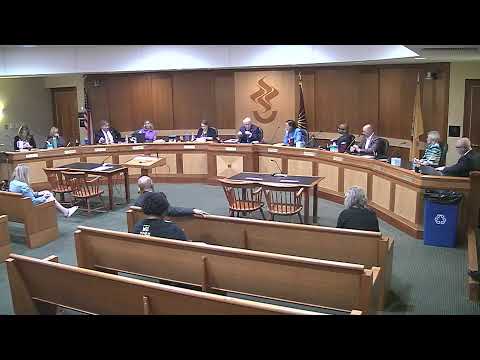
The Summit Common Council adopted an amendment to the city's resident-protection code (chapter 3) that expands the text to include specific prohibition on being on private property with intent to use devices commonly associated with organized vehicle thefts, such as signal boosters and tools that identify presence of key fobs.
Councilman Kevin Boyer, who led the hearing, said the amendment is a practical tool for investigations and prosecutions: the city's earlier resident-protection ordinance had been used in plea negotiations and as an alternate charge when prosecutors declined more serious burglary or theft counts. Boyer said the department has used the ordinance already and issued multiple summonses under the earlier law.
Opponents, including Councilwoman Campbellson and others during the public hearing, questioned whether the local ordinance materially changes prosecution outcomes because state law reclassifications in 2023 expanded penalties for car-theft rings. Councilwoman Toth and others responded that the municipal ordinance offers a fallback enforcement option and a way to obtain accountability in cases where prosecutors reduce charges.
Council and police statements: Chief Peters testified that certain behaviors — unattended or abandoned property near transit, and temporary structures used for habitation — present real safety concerns and divert resources; he recommended the amendment to resident-protection to broaden options for officers and prosecutors. Council members said the change was adopted with an eye toward focused enforcement and additional outreach to reduce repetitive calls for service.
Outcome: Council adopted the amendment on final vote after a public hearing and roll-call vote; supporters described it as a narrowly drawn tool to address specific illicit conduct rather than a broad criminalization of poverty.