Get Full Government Meeting Transcripts, Videos, & Alerts Forever!
Get email alerts on the Cross Acceptance State Plan topic
No spam. Unsubscribe anytime.
Board hears overview of state 'cross-acceptance' plan; members urged to provide targeted priorities
Summary
Board members were briefed on the state's updated State Development and Redevelopment Plan and the cross-acceptance process. Consultants said the new plan is advisory and uses largely the same mapping as the prior plan; the board discussed priorities to pass to the county negotiating entity.
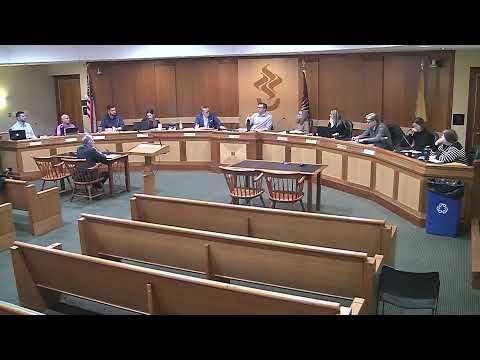
The Summit Planning Board on Feb. 24 received an overview of the state's updated State Development and Redevelopment Plan and the cross-acceptance process and discussed the board's potential role in responding.
Joe Burgess said the new state document is shorter and advisory. "Most significantly, the state office of planning advocacy just this past week has started their county meetings... this document is now just an advisory document and local zoning will supersede its recommendations," Burgess said.
Board members and staff discussed how Summit should prioritize input to Union County (the county is the statutory negotiating entity in cross-acceptance). Suggestions included asking the state for a refined method to calculate municipal affordable-housing obligations and reconsidering mapping designations that affect Summit's planning-area classification.
Chairman Steven Spur and city staff said Summit will coordinate with County staff and provide targeted priorities rather than a comprehensive rewrite; a county-level public meeting and template responses will guide municipal input. The board concluded the cross-acceptance work should be handled in coordination with administration and county staff and assigned follow-up outside the planning-board meeting while retaining the ability to provide technical input as needed.
Members noted the cross-acceptance timeline is not immediate and that the advisory nature of the new state plan lowers the urgency for detailed board action, but they asked staff to identify any mapping or planning-area changes that would have significant local effects.