Get Full Government Meeting Transcripts, Videos, & Alerts Forever!
Get email alerts on the Criminal Justice Health topic
No spam. Unsubscribe anytime.
Commissioners approve jail-based behavioral services contract despite contract formatting issues; $301,000 anticipated for FY26
Summary
The board authorized the county manager to sign the jail‑based behavioral services contract after county attorneys and state staff could not agree on placing FY2026 funding amounts in the contract; staff indicated a $301,000 FY2026 allocation is estimated and documented by state email.
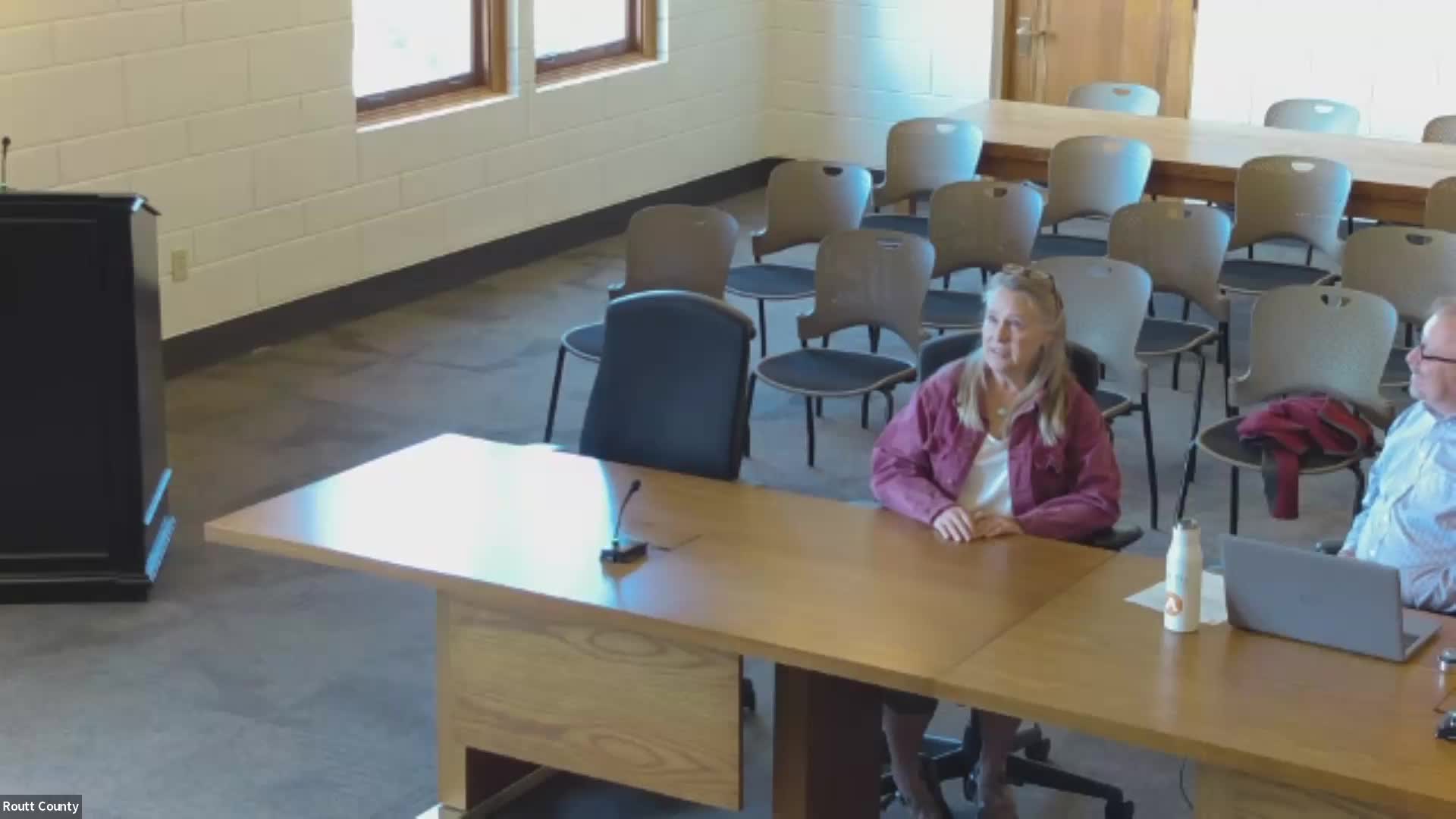
Routt County commissioners on May 13 approved a renewal of the jail‑based behavioral services (JBBS) contract and authorized the county manager to sign despite county legal staff noting that the state did not place FY2026 budget amounts in the contract form.
Contract format and funding: County attorney Eric reviewed the contract and raised concerns because the formal contract pages left FY2026 extension terms blank. County staff presented an accompanying email and a final page in the state materials showing an “estimated” FY2026 budget of $301,000 (SUD and MH funds). The state advised it would not amend the standard contract form to insert the FY2026 amount because doing so would trigger a burdensome administrative review process with the City and County of Denver. The county accepted the state’s written budget certification and moved forward.
Why it matters: The JBBS program supplies jail‑based behavioral supports, peer support and other services inside the county jail; staff said the program is active and expanding, with in‑person licensed addiction counseling and college‑course access for participants. The FY2026 allocation (as communicated by the state) is intended to sustain those services.
Action and outcome: Commissioners voted unanimously to approve the contract and to document anticipated revenues and expenditures of $301,000 for FY2026 based on the state spending plan (email dated April 1). County staff will proceed with implementation, draw reimbursements as allowed under the state process, and continue to ask the state to amend forms where possible.
Ending: Commissioners thanked staff for persevering through contract paperwork challenges and noted the program’s positive outcomes and ongoing importance to the sheriff’s office and reentry efforts.