Get Full Government Meeting Transcripts, Videos, & Alerts Forever!
Get email alerts on the Municipal Budget Tax topic
No spam. Unsubscribe anytime.
Hagerstown residents urge council to reject proposed property tax hike as FY2026 budget hearing opens
Summary
At a May 13 public hearing on the city’s proposed FY2026 budget, residents testified against a proposed property tax increase and council members failed to second an ordinance to set the new tax rate. Speakers urged alternatives to rely less on property taxes and questioned debt tied to a new recreation facility.
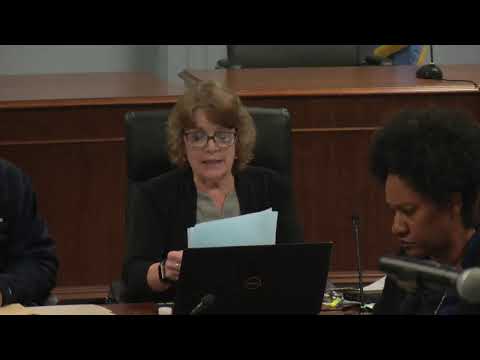
The City of Hagerstown held a public hearing May 13 on its proposed fiscal year 2026 budget and a related ordinance to set tax rates, during which multiple residents urged the Mayor and Council not to raise property taxes.
The proposed FY2026 budget totals $223,747,300 across all city funds, with a general fund of $71,400,000 — an 11.8% increase ($7,500,000) over the current year. The administration introduced an ordinance that would set the real-property tax rate at $1.057 per $100 of assessed value and the business personal property rate at $2.643 per $100; the council did not second that motion, so the ordinance was not advanced at the meeting.
The budget record will remain open for written comment through May 20, 2025, the council announced.
Residents who spoke at the hearing described financial strain from recent increases in utilities, water and trash rates and warned that higher property taxes would be passed on to renters. “Raising property taxes during uncertain times … will surely be handed down to renters,” said Monica Worthen, a Hagerstown resident and homeowner of nearly 20 years. Worthen testified that rising prices and stagnant wages make a tax increase especially burdensome.
Melissa Crocker, a homeowner and landlord, told the council she had to extend eviction notices for tenants because they could not find affordable rentals and that even modest rent increases strained tenants. “Adding property taxes to Hagerstown is a bad move because you are taxing people right out of their home,” she said.
Several speakers also raised the city’s capital commitments. “Our debt repayment is a million dollars, and that’s about what our tax increase is supposed to be,” said Sam Tobin, who questioned assumptions in a feasibility study for the city’s new recreation/FieldHouse project and warned the facility could create long-term debt pressure. Tobin cited figures heard in meetings — including a $15.9 million contract amount and projected annual debt service roughly equal to the planned tax increase — and said revenue estimates for the facility appeared optimistic.
Business owner and resident Paul Corbin asked the council to pursue internal cuts before increasing taxes. Corbin reviewed several budget items he identified as possible savings, including salary increases for nonunion staff, certain economic development programs and higher contributions to outside agencies. “There are rooms to make cuts,” he said, providing $2.5 million in suggested reductions across multiple line items.
Councilwoman Anderson explained why she did not second the tax ordinance. Speaking after public comments and with a state senator present in the chamber, Anderson said she respected the senator’s remarks and expected more internal discussion among council members before formal introduction. “Based on the comments … I felt like … that conversation could have been done with us as a body as a whole prior to coming and voicing that today,” she said.
Other council members thanked residents for attending and urged continued engagement. The council did not take a vote on a tax rate at the meeting; staff said the public hearing and the budget record will remain open to accept additional comments before any final vote.
The hearing notice had been advertised April 26, 2025, the administration said. The council also noted the proposed budget includes both operating and capital expenditures across funds and that enterprise funds combined are projected at $121,300,000 (a 17.9% increase).
Public comments and council discussion focused on the scale of the proposed general fund increase, the projected debt service tied to recent capital projects, and the distributional effects of property tax increases on renters and long-term homeowners. The council did not finalize the tax ordinance at the May 13 meeting; residents and stakeholders may submit written comments through May 20, 2025, for the record.