Get Full Government Meeting Transcripts, Videos, & Alerts Forever!
Get email alerts on the Homelessness Interim Housing topic
No spam. Unsubscribe anytime.
Antioch council approves interim housing lease for Sunset encampment under $6.8M state grant
Summary
Council approved a master lease for Executive Inn to house people from the large Sunset/Dev Par encampment under the state Encampment Resolution Fund; council directed quarterly reporting and urged work toward longer-term housing solutions.
Antioch — The City Council voted 5-0 on May 13 to authorize a master lease for interim housing under the state’s Encampment Resolution Fund (ERF), approving a plan to place people now living at the Sunset and Dev Par encampment into rooms at the Executive Inn while outreach and rapid-rehousing services continue.
The action implements part of a $6.8 million ERF award the city received in 2024 and directs the city to use approximately $1.8 million of that award to lease and operate a 34-room motel the city selected as the preferred site. The council set a target placement timeline that staff said could begin July 1 and expects the encampment cleanup to follow placements.
Why it matters: The ERF grant requires local jurisdictions to move unsheltered individuals into stable interim housing and rapidly link them to longer-term housing. City staff told the council the Executive Inn’s size and simple layout made it easier to dedicate the entire site to the program and to manage services, compared with a larger hotel proposal.
What council heard and decided: Director Tasha Johnson, who presented the program design and schedule, said the city’s outreach team (CORE) had enrolled 31 people and expected to place at least 32 program participants in the Executive Inn. “Initial placements for these individuals will occur within the first two weeks of operation,” Johnson told the council. She said program enrollment would be cut off around June 15 to allow timed placements but that the date could be extended to avoid leaving rooms empty.
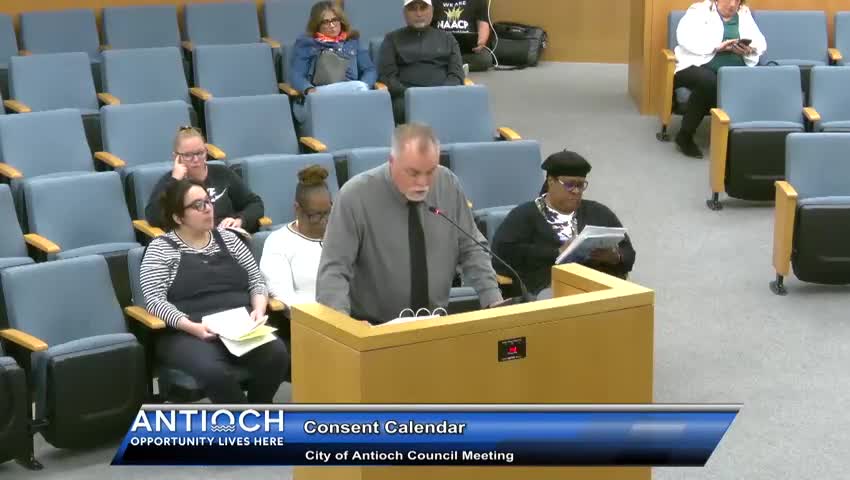
Multiple public speakers urged the council to move forward quickly. Nicole Gardner, an unhoused-advocacy volunteer with long experience engaging motel operators, praised Executive Inn owners for preparing their property and said the site’s transit access and layout were “perfect.” Resident Andrew Becker asked for greater transparency in the procurement record and urged the council to show how the solicitation compared to the alternate bid; Becker recommended tabling the lease until the record could be reviewed.
Council direction and conditions: Councilmember Don Freitas said he would support the lease but asked staff to provide formal 90‑day reports on program progress. The council adopted a motion that approved the master lease and directed staff to return with a reporting form and quarterly presentations on outcomes, and to continue working on long‑term, owned housing alternatives in partnership with regional and federal funders. The council vote on the lease was 5-0.
Implementation details and follow up: Staff said placements would be tracked in HMIS (the homeless management information system) and that the county would reserve other housing slots for people not immediately placed in the motel. The ERF grant requires the city to obligate funds by June 30 and expend at least half of the award on specified timelines; staff said the lease was needed to meet those deadlines. Johnson described program metrics to be reported to the council, including number enrolled, placements to short‑term and permanent housing, housing assistance dollars issued and client outcomes.
What remains open: Public commenters and two councilmembers pressed staff to pursue Homekey and other permanent housing tools and not rely only on leases. Councilmembers also asked for better transparency about the selection process for the hotel operator; staff said two proposals were received and the Executive Inn was selected because it was a manageable, dedicated site for the program. Council instructed staff to bring back the quarterly reports and to continue pursue strategies for permanent facilities beyond short‑term leases.
Ending note: The lease is a time‑limited step intended to move people indoors and into case management while the city and county pursue housing exits; the council paired approval with a direction to report back regularly and to seek more permanent, owned housing options to reduce dependence on leased motel capacity.