Get Full Government Meeting Transcripts, Videos, & Alerts Forever!
Get email alerts on the Public Defense Unrepresented Crisis topic
No spam. Unsubscribe anytime.
Oregon lawmakers hear plan to ease surge of unrepresented criminal cases
Summary
Officials told the Public Safety Subcommittee on May 15 that an escalating shortage of public defenders has left about 4,780 cases with unrepresented people statewide and concentrated problems in six counties; agencies outlined contracting, staffing and data fixes but no new funding decisions were made.
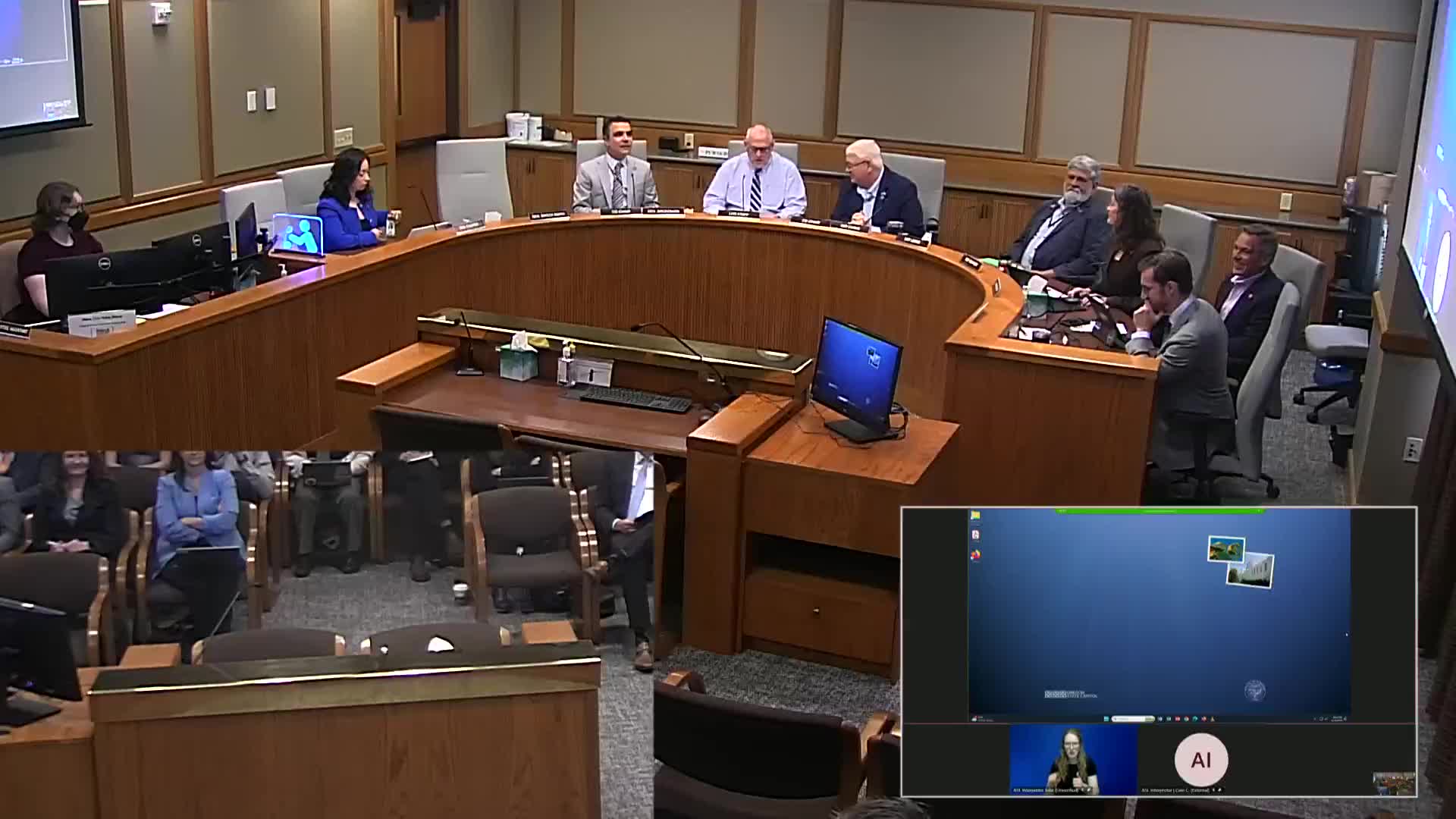
Co-chair Evans called the Public Safety Subcommittee to order May 15 in Hearing Room H‑174 to hear updates from the Oregon Public Defense Commission, the Oregon Judicial Department and district attorneys on the state’s unrepresented-defendant crisis.
The crisis “continues to escalate, rising 55% in the last year,” Nancy Kozine, State Court Administrator, told the panel, adding: “There are now just under 4,400 unrepresented individuals in 4,780 cases.” That caseload is concentrated: “Around 94% of the unrepresented crisis is found across these 6 counties,” Ken Sandshagrin, interim executive director of the Oregon Public Defense Commission, said.
Why it matters: judges, prosecutors and defense officials said the lack of available counsel is delaying or stopping case resolution, increasing risks to victims and communities, and driving higher downstream costs. Multnomah, Washington and Marion counties were singled out for the largest backlogs; Multnomah shows both rising out‑of‑custody cases and a higher share of serious offenses, including unlawful possession of weapons.
What the agencies reported: Kozine said the crisis rose 55% year over year and that weighted-caseload analysis shows about 22 attorney full‑time equivalents (FTEs) would be needed to clear the current unrepresented backlog in a year if those attorneys worked at full contracted capacity. Jessica Rozier, Assistant Deputy State Court Administrator (Operations), said contract maximums and reporting lags make planning difficult: total contracted MAC (maximum-attorney-capacity) is 865.64 while current reported MAC to date is about 808.74.
Contract and staffing changes under discussion: Sandshagrin described contract revisions the Public Defense Commission adopted April 16 and said they were intended to increase capacity despite one change that reduces first‑year lawyer caseloads. He said the commission is exploring “greater flexibility in MAC” to let experienced attorneys accept work above current limits and that the commission is considering allowing nonprofit public defender organizations to hire cohorts or “classes” of new lawyers to improve retention and training. Sandshagrin also said the state trial division has taken over about 2,000 cases since it opened and is being used to fill gaps in multiple counties.
On data and process: Kozine and Rozier emphasized that the current MAC model lacks enforceable minimums and that the state needs better real‑time caseload data and consistent reconciliation between court and OPDC reporting. Kozine said, “I would humbly suggest that the maximum attorney capacity could become known as the presumptive attorney capacity,” proposing a model that shows an attorney’s typical throughput while allowing upward or downward flexibility.
Local impacts and examples: Multnomah County District Attorney Nathan Vasquez said some cases were previously dismissed because no attorney was available and that those dismissals have had “far reaching consequences,” including subsequent violent crimes in a subset of cases. Vasquez said sampled dismissed cases showed many were class A misdemeanors (including DUI) and class C felonies (such as unauthorized use of a vehicle), and that the office is triaging which dismissed matters to refile based on evidence and victim considerations.
Tools the agencies said could help: early‑resolution or unrepresented‑resolution dockets, tighter contract compliance, incentives to increase capacity for providers in crisis counties, phasing out expensive hourly appointment programs, and expanded use of the state trial division where local providers conflict or lack capacity. Sandshagrin warned hourly appointments remain a large, costly component of the response and that contract flexibility is a priority to reduce that reliance.
What was not decided: committee members and agency leaders discussed budget concepts and operational fixes but did not vote on new funding or enact statutory changes at the hearing. Agencies said some reforms will require commission action, contract amendments, and additional budget authority from the Legislature.
Next steps and reporting: Sandshagrin said he would draft memos and an action plan for the commission and for the committee and requested more detailed reporting. OJD and OPDC agreed to work on time studies, reconciled data feeds, and projections tying attorney qualifications, turnover and MAC expectations to county‑level needs.
The hearing closed with committee leaders urging urgency while noting the state faces a budget shortfall of roughly $755,000,000 and that any investments will be limited pending budget decisions.