Get Full Government Meeting Transcripts, Videos, & Alerts Forever!
Get email alerts on the Medical Debt And Credit Reporting topic
No spam. Unsubscribe anytime.
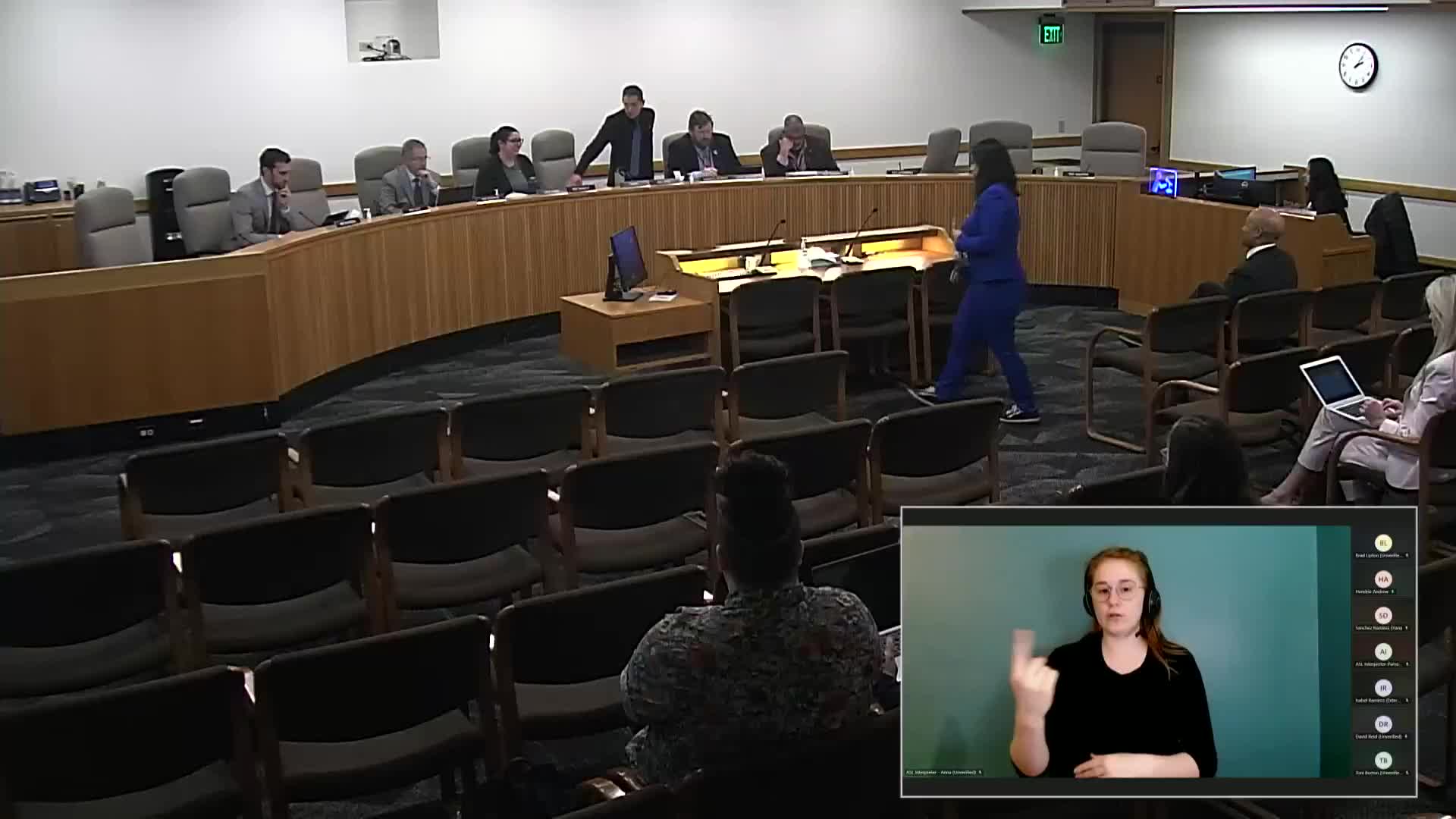
Oregon committee hears testimony on bill to bar medical debt from credit reports
Summary
A House committee held a public hearing May 15 on Senate Bill 605A, which would prohibit reporting medical debt and some medical credit-card balances to consumer reporting agencies; supporters said the change would prevent long-term penalties from illness, while opponents and some legislators raised implementation and fairness concerns.
The Oregon House Committee on Commerce and Consumer Protection held a public hearing May 15 on Senate Bill 605A, a measure that would prohibit reporting medical debt to consumer reporting agencies and define certain medical credit–card obligations as medical debt.
Senator Winsve Campos, who represents Senate District 18, urged the committee to back the bill and the A‑9 amendment, saying medical debt “often stems from events completely outside a person's control” and can follow people for years even when it is “valid, disputed, or already paid.”
The bill would bar health care providers and debt collectors from reporting the amount or existence of medical debt and would prohibit consumer reporting agencies from reporting items they know or reasonably should know are medical debt. The A‑9 amendment narrows the definition by specifying that a medical debt may include a monetary obligation on a credit card issued specifically for payment of medical services, products, or devices.
Why it matters: Supporters said removing medical debt from credit reports prevents an illness, injury or insurance error from becoming a long-term financial barrier to housing, employment and credit. Representative Nathan Sosa said adoption would put Oregon in step with other states that have passed similar laws and urged the committee to consider research showing medical debt is a poor predictor of future loan repayment.
Supporters and testimony: Brad Lipton, visiting senior fellow at the Consumer Federation of America and a former Consumer Financial Protection Bureau official, told the committee that “medical debt is fundamentally different from other types of debt, and it's not a reliable predictor of credit risk,” and that removing medical debt can improve the accuracy of credit reports by removing misleading information.
Chris Coughlin of Oregon Consumer Justice and Andrea Meyer, director of government relations for AARP Oregon, echoed that medical billing errors and insurance denials can put people into collections despite attempts to pay. Coughlin said medical bills can remain on credit reports for up to seven years even after a payment plan is arranged. Meyer cited a KFF report finding that 72 percent of people with medical debt reported it resulted from a single hospital visit or treatment.
A child‑care and family perspective came from Tony Burton, who described having to place his daughter in a subacute residential facility, then later being taken to court by a collection agency and having accounts drained and wages garnished. “I'm on the verge of becoming homeless because of all of this,” Burton said, asking lawmakers to support the bill so others would not face the same consequences.
Opposition and implementation concerns: David Reed, general counsel for the Receivables Management Association International, said his organization did not oppose the bill’s aim but objected to the bill’s current language. Reed argued the bill’s phrasing could sweep in credit cards that are not used solely for medical expenses and said parsing individual card charges “would be impossible” and risk violating the Health Insurance Portability and Accountability Act. He recommended replacing the word “specifically” with “solely,” citing CFPB guidance and language used in other states.
Several legislators pressed practical questions. Vice Chair Osborne asked how issuers would separate medical purchases from general retail purchases and warned that excluding medical debt from credit reports could reduce incentives to pay, shift costs to other customers or raise prices. Senator Campos and other supporters replied that the bill does not erase debt — providers and collectors could still pursue collection, file lawsuits, garnish wages and seek judgments — and that the A‑9 amendment limits the credit‑card provision to accounts issued exclusively for medical payments.
Record of other states and legal authority: Witnesses and legislators referenced a growing trend: supporters noted Colorado and New York enacted similar laws in 2023 and several states including California, Virginia, Rhode Island, Connecticut, Minnesota, Illinois and New Jersey passed related measures in 2024; Washington enacted a related law in April 2025. Brad Lipton advised the committee that the Fair Credit Reporting Act preserves state authority to adopt laws restricting the furnishing of information and that state statutes of this type are generally defensible against federal preemption claims.
No committee action: The hearing consisted of sworn testimony and questions; committee members did not vote or take final action on SB 605A at the hearing. Chair Nathan Sosa closed the public hearing after invited testimony and questions.
What’s next: The bill will proceed through the Legislature’s ordinary committee process; the hearing record contains testimony for lawmakers to consider as they weigh technical fixes, including the dispute over whether the credit‑card language should use “specifically” or “solely.”