Get Full Government Meeting Transcripts, Videos, & Alerts Forever!
Get email alerts on the Property Taxes topic
No spam. Unsubscribe anytime.
House approves changes to homestead tax-deferral program to expand eligibility for seniors and people with disabilities
Summary
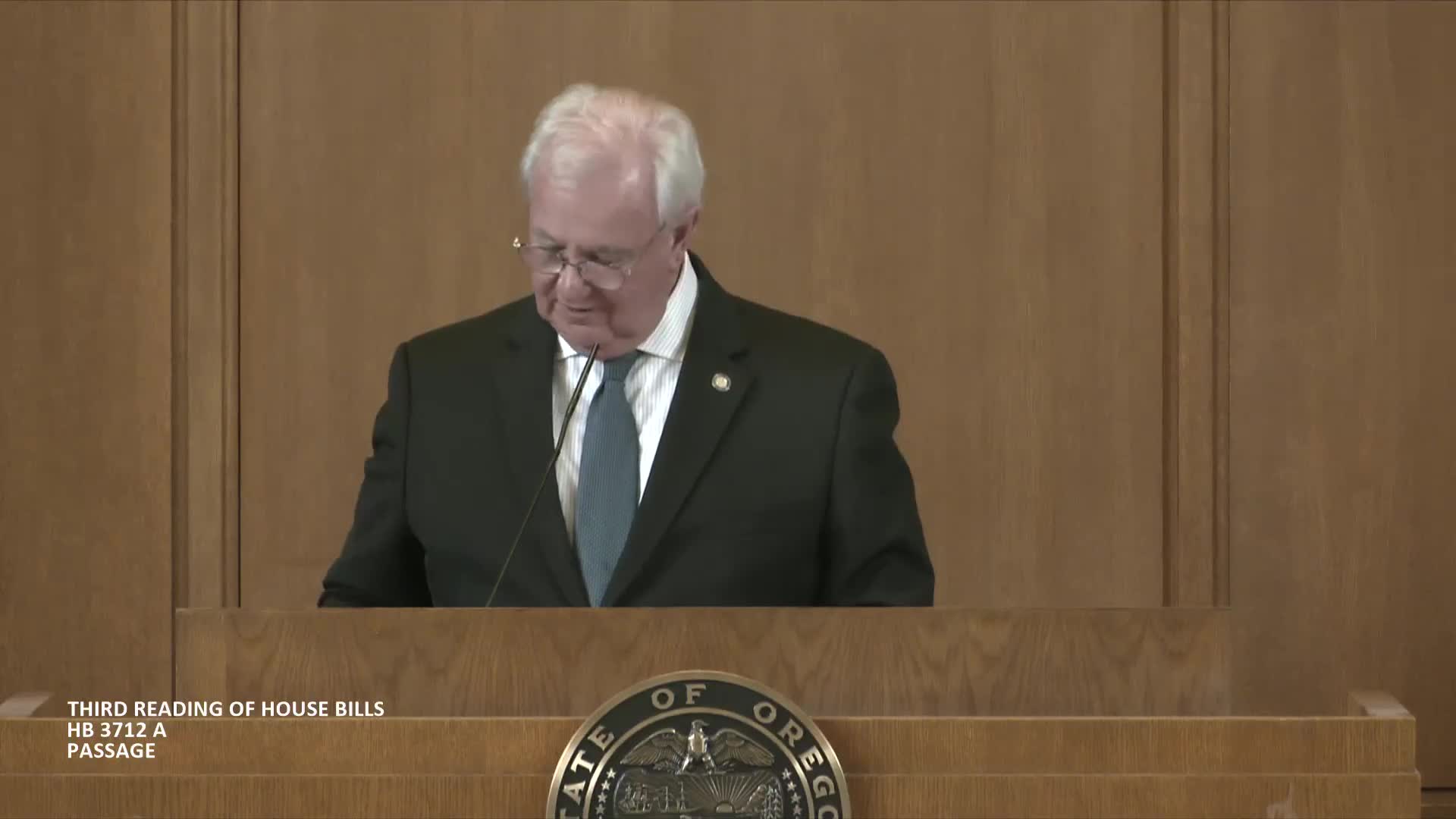
The Oregon House passed House Bill 37 12 A to raise income and property thresholds for the Homestead Property Tax Deferral Program and to require a Legislative Revenue Office study on switching eligibility to an equity-based standard.
Representative Vikki Reschke, carrying House Bill 37 12 A, told the Oregon House the bill would help seniors and people with disabilities stay in their homes by updating the state's Homestead Property Tax Deferral Program.
The bill increases the program's household income threshold and adjusts allowable real-market-value limits so more homeowners can qualify for deferral, Reschke said. “I ask this body to join me in an I vote in order to help make Oregon seniors and disabled be able to stay in their homes longer without having to worry about rising property taxes,” she said on the House floor.
The bill amends Oregon Revenue Statutes governing property tax deferrals (ORS 311.666–311.701) to lift the household income cap cited by sponsors from $60,000 to $70,000 and to change real-market-value eligibility bands so some homeowners with rising property values can qualify. It also requires the Department of Revenue to index income and RMV caps and directs the Legislative Revenue Officer to study whether determining eligibility based on a homeowner's equity rather than household income would be more equitable. The study must be submitted to the interim revenue committee by September 2026, and a temporary provision of the bill is set to repeal on January 2, 2028, per the bill text read on the floor.
Supporters said the package is part of a three-bill effort to help seniors remain in place and to protect the solvency of the program's revolving account. Representative Nathanson, who spoke in support, said the House Revenue Committee prioritized fiscal responsibility and monitoring so the fund remains solvent.
There was no extended floor debate recorded beyond sponsors' remarks. The clerk opened the voting system and the bill "having received the constitutional majority is declared passed" on third reading.
The measure combines benefit expansions for qualifying homeowners with built-in indexing and a mandated study to evaluate whether an equity-based eligibility test would be feasible. Implementation details — including exact indexing factors, county-level RMV thresholds, and administrative timelines — are in the bill text and will be handled by the Department of Revenue under existing statute.