Get Full Government Meeting Transcripts, Videos, & Alerts Forever!
Get email alerts on the State Procurement Firearms topic
No spam. Unsubscribe anytime.
House passes law tightening state standards for firearm vendors used by agencies
Summary
The House passed Senate Bill 1‑58 as amended after floor debate about whether state procurement can be used to police firearms dealers; sponsors said the measure sets standards to ensure public funds buy weapons only from vendors who meet state expectations for recordkeeping and safety.
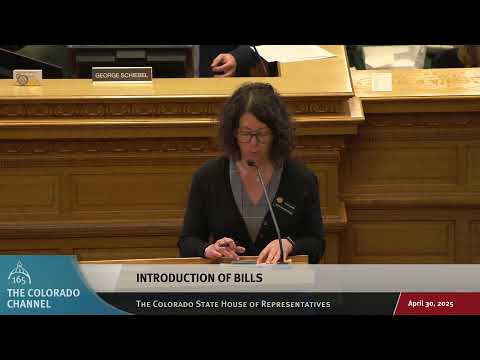
The Colorado House on April 30 approved Senate Bill 1‑58 as amended, a bill that tightens procurement standards for vendors selling firearms or National Firearms Act (NFA)‑regulated items to state agencies.
What the bill does: Sponsors said the law requires vendors bidding on state firearm contracts to provide documentation such as licensing, trace‑request histories and theft/loss reports, and to certify certain safe‑business practices. The bill bars state purchasing preferences that would favor in‑state vendors for those specific procurement categories and allows agencies and the attorney general’s office to develop prequalification procedures and to terminate contracts for noncompliance.
Why it mattered on the floor: Supporters argued the state should not pay vendors that fail to meet basic safety and compliance practices. “We want our state dollars to go to vendors who are following the law,” a sponsor said.
Opponents said the measure overreaches and will shut small federally licensed firearm dealers (FFLs) out of state procurement. Representative Richardson argued the bill imposes paperwork and compliance burdens that small shops cannot absorb and said the requirements could force local dealers to close or move out of state.
Representative Weinberg warned the measure could create a de facto registry by requiring extensive trace and inspection records and said agencies could be left without suppliers in emergencies if exigent purchases are blocked.
Outcome and next steps: The House approved the amended bill and the measure now moves to final processing and to the governor as required. Sponsors said the law applies only to state agency procurement and not to municipal purchases.
Implementation note: The bill gives the attorney general and the Department of Public Safety roles in writing procedures and prequalification standards. Agencies will need to adopt procurement scoring and documentation processes and determine how to handle exigent purchases while complying with the new rules.