Get Full Government Meeting Transcripts, Videos, & Alerts Forever!
Get email alerts on the Behavioral Health Criminal Justice topic
No spam. Unsubscribe anytime.
House passes bill allowing continued inpatient treatment and housing planning for defendants found incompetent
Summary
The House passed Senate Bill 41 to permit the Department of Human Services to continue inpatient mental-health restoration services for up to 90 days after criminal charges are dismissed for defendants found incompetent to proceed, and to allow contracts for permanent supportive housing or referral to wraparound programs. Sponsors said the bill
House approves care and housing measures for people found incompetent to proceed
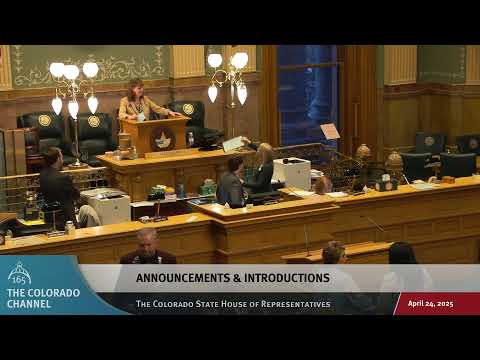
The Colorado House on April 24 passed Senate Bill 41, which changes how the state provides custody, care and post-dismissal support for defendants found incompetent to proceed in criminal cases when competency cannot be restored.
Nut graf: why it matters
Supporters said the bill addresses a gap created when criminal charges are dismissed for defendants who remain unrestorable to competency: under current law, the Department of Human Services (DHS) must stop inpatient restoration services when charges are dismissed, which can leave people without care, housing or a plan for treatment. Sponsors argued the bill reduces recidivism and improves public safety and continuity of care.
What the bill does
Senate Bill 41 permits DHS to continue inpatient mental-health care for up to 90 days after a defendant’s case is dismissed because the individual is found incompetent to proceed. The bill also authorizes DHS to enter agreements with organizations to provide permanent supportive housing for persons whose cases are dismissed for incompetency and to contract for supportive housing if a person completes a referenced wraparound program and is referred to it. The bill requires DHS to collect data on individuals whose charges are dismissed following a court determination of incompetency and to share that data with housing agencies.
Sponsor statements and legislative intent
Representative English, speaking to the bill, said the legislation responds to cases where people with serious mental illness are released without the treatment or housing needed to stabilize them, which contributes to cycles of homelessness, emergency-room use and criminal-justice contact. "People are being released without the mental health care they need and without a housing plan," English said on the floor, arguing that continued care and housing planning could reduce churn and improve safety.
Representative Bradfield, another sponsor, framed the bill as an effort to provide treatment options after dismissal that could reduce recidivism and public-safety risks. Bradfield noted the bill would authorize agreements for inpatient stabilization for up to 90 days and permit contracts for permanent supportive housing where appropriate.
Amendments
The House adopted a technical amendment (L05) clarifying capitalization in an amended provision; sponsors said the change was technical and requested an "I" vote on the amendment.
Outcome and next steps
The House approved SB 41 after adopting the technical amendment and passed the bill on the floor. The transcript records passage; the floor excerpt did not include a roll-call tally for final passage in the debate portion recorded.
Votes at a glance
- Motion: Passage of Senate Bill 41 (moved by Representative English). Outcome: passed (final tally not specified in floor discussion).
Proper names and authorities
- Department of Human Services (DHS): authorized to continue inpatient restoration services and enter housing agreements. - Bridges Wraparound Care Program: referenced as a referral pathway to supportive housing.