Get Full Government Meeting Transcripts, Videos, & Alerts Forever!
Get email alerts on the Education Budget topic
No spam. Unsubscribe anytime.
Regional high school leaders present roughly $40 million FY26 budget, flag special-education and shelter risks
Summary
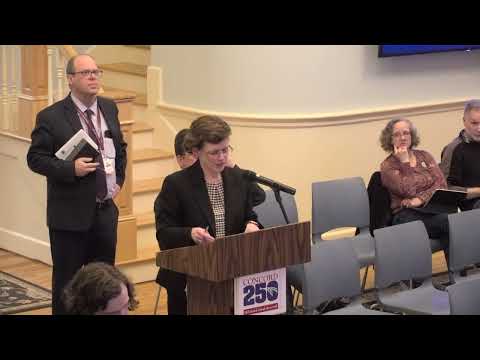
Laurie Hunter, superintendent of schools, presented the Concord‑Carlisle regional high school FY26 spending plan — about $40 million — telling a joint Concord–Carlisle finance committee hearing that out‑of‑district special‑education placements and transportation were the largest cost drivers.
Laurie Hunter, superintendent of Concord public schools, told a joint Concord–Carlisle public hearing that the Concord-Carlisle regional high school is proposing an FY26 budget of about $40 million.
Hunter said the budget is essentially a level-of-service plan but that special education remains the largest challenge and cost driver. “Out‑of‑district tuitions” rose sharply and are the single largest pressure; Hunter and school finance staff described out‑of‑district tuition and special‑education transportation as the main drivers behind the increase.
The superintendent said the closing of a nearby emergency shelter, scheduled for Aug. 31, means the region is not budgeting staffing and transportation costs that had been required while the shelter was open — but that the town and district will watch the situation closely because federal policy or individual student placements could create new obligations during the school year. “If students start the school year with us because of placement decisions, then they have rights to stay for the remainder of the school year and we would need to transport,” Hunter said.
Hunter told committee members the region’s gross out‑of‑district tuition increased by roughly $462,000 compared with the prior year and that the district relied on circuit breaker and IDEA offsets to manage most of the change. She said the district is proposing modest personnel increases overall — a reported roughly 2.1% increase in teaching‑salary lines after offsets — and a small net reduction of staff through attrition and consolidation.
Committee members pressed for details on contingency plans if federal or state grant revenue is delayed or reduced. Hunter said the likely tradeoffs would be reductions in nonmandated programs or reallocation of existing funds and described the scenario as “a very, very different, harder place to be to manage a budget like that.”
The joint hearing included brief questions from Carlisle members. No final finance‑committee recommendation or vote on Article 12 was taken at this meeting; the hearing will be followed by committee deliberation at a later session.
Why this matters: Special education and transportation costs have been driving school operating budgets across the region; the district’s request and its reliance on federal/state offsets matter for local assessments and for services students receive.
What’s next: The Concord Finance Committee will deliberate and may vote a recommendation for town meeting; further clarification on grant timing and possible costs if shelter placements change was requested by committee members.
Speakers (excerpted): Laurie Hunter, Superintendent of Schools; Julie Sears, Chair of the regional school committee (referred to); Carlisle finance committee representatives (roll‑call present)
Budget figures and program descriptions above are drawn from the public presentation and committee questioning during the joint hearing on Article 12.