Citizen Portal

Senate committee hearing: HHS reorganization and cuts threaten tribal programs beyond IHS

3336306 · May 14, 2025

Get AI-powered insights, summaries, and transcripts

Subscribe
AI-Generated Content: All content on this page was generated by AI to highlight key points from the meeting. For complete details and context, we recommend watching the full video. so we can fix them.

Summary

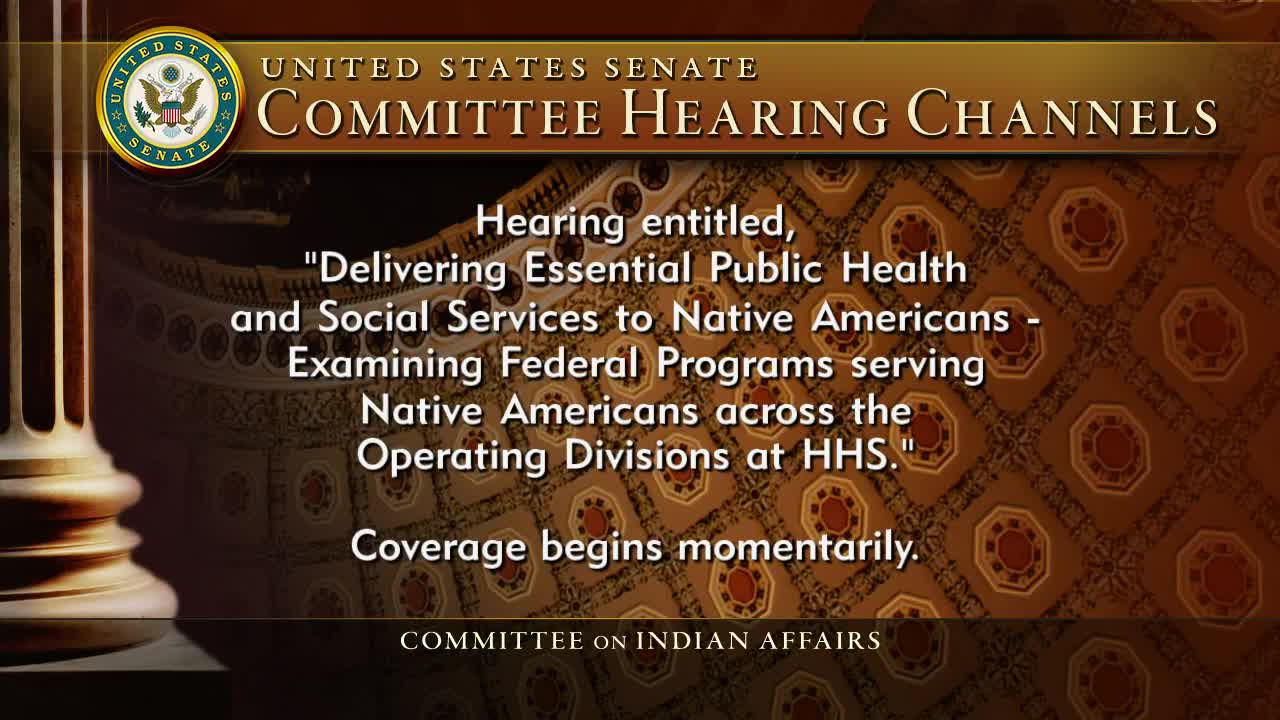
A Senate Committee on Indian Affairs oversight hearing on April 1 focused on how recent Department of Health and Human Services workforce reductions and proposed reorganizations are disrupting programs tribes rely on beyond the Indian Health Service.

A Senate Committee on Indian Affairs oversight hearing on April 1 focused on how recent Department of Health and Human Services (HHS) workforce reductions and proposed reorganizations are disrupting programs tribes rely on beyond the Indian Health Service.

Committee chairwoman Murkowski opened the hearing by saying HHS programs outside IHS "are just as important as those under the IHS," and called the session an opportunity for tribes and native organizations to make their case to the legislative branch.

Why it matters: witnesses and senators said the changes have already reduced tribal access to grants, severed working relationships with regional staff, and paused surveillance and prevention programs that track maternal and infectious-disease threats. Several witnesses testified that reductions in staff and abrupt administrative moves have created grant-delivery gaps that can force tribal grantees to halt services or lay off shelter and clinical staff.

Janet Elkier, chairwoman of the Standing Rock Sioux Tribe and Great Plains representative for the National Indian Health Board, told the committee the reorganization has "reduced HHS staff by 24%" and led to "the cancellation of over $6,000,000 in grants," leaving some tribal grantees unable to contact project officers. Elkier said the CDC team that supported overdose prevention in tribal communities was cut from seven staffers to one and that other surveillance and HIV/STI programs have lost staff or been paused.

Witnesses urged early, consistent and meaningful tribal consultation. "These programs work best when they reflect the voices of the people that they're meant to serve," Chairwoman Murkowski said, and Janet Elkier and Lonnie Greninger (vice chair of the Jamestown S'Klallam Tribe) repeatedly asked that HHS engage tribes before making structural or budget changes.

Program impacts described at the hearing

- Tribal Head Start and child-care services: Melissa Charley, executive director of Fairbanks Native Association, said Tribal Head Start provides early intervention, cultural grounding and family support; she warned that funding instability and wage disparities threaten recruitment, retention and facilities upgrades. Charley said Head Start is often the first point of connection that links families to other services.

- Family Violence Prevention and Services Act (FVPSA) funding and shelters: Lucy Simpson, executive director of the National Indigenous Women's Resource Center, said FVPSA "remains the only federal funding source specifically dedicated to emergency shelter and related services" for domestic-violence survivors and that the Office on Family Violence Prevention's leadership and staff reductions have created pauses in solicitations and uncertainty for grantees.

- Behavioral health and youth suicide prevention: witnesses described threats to SAMHSA-funded tribal behavioral-health programs such as Native Connections and to community-tailored youth suicide prevention work. Lonnie Greninger and others said SAMHSA grants often do not require tribes to compete with each other and provide the flexibility to fund culturally based healing and prevention.

- Maternal and infant health surveillance: Elkier and other witnesses said cuts and staff placement actions affected the Pregnancy Risk Assessment Monitoring System and other data tools that track maternal and infant outcomes, and that losing those tools undermines identification of risk and timely public-health interventions.

- CDC and infectious-disease response: witnesses said staffing reductions disrupted tribal epidemiology support and put tribal regions at risk during outbreaks and rising STI rates.

- Native Hawaiian programs: Dr. Sherry Ann Daniels, chief executive officer of Papa Ola Lokahi, emphasized that Papa Ola Lokahi is the statutorily named entity under the Native Hawaiian Healthcare Improvement Act for coordinating native Hawaiian health services. She told the committee that the native Hawaiian health network serves tens of thousands of touch points and warned that cuts to HRSA and Medicaid policy changes would slow access to care.

Regional and technical-support losses

Witnesses described the loss of HHS regional staff and tribal program leads who provided technical advice and continuity. Greninger said Region 10 staff were eliminated and responsibilities moved to an office in Denver, forcing one regional office to absorb hundreds of tribes and weakening local institutional knowledge. "When you eliminate all of Region 10," Greninger said, "that's all of Alaska's more than 200 tribes. Washington's 29, Idaho's five, Oregon's nine… Denver is absorbing their portfolio. Do they know us? They don't know who we are."

Committee follow-up and requests

Committee members, including Vice Chair Schatz, signaled intent to use the committee's convening authority to press HHS for named points of contact and to seek follow-up information on paused or terminated grants. Senators on the dais asked witnesses to supply details for questions for the record and requested lists of grants that are paused, terminated or still under review so tribes and providers can plan staffing and shelter operations.

What witnesses asked for

Witnesses asked for: immediate, meaningful tribal consultation on any HHS reorganization or budget changes affecting tribal programs; restoration or replacement of regional tribal liaisons; timely release of grant continuation solicitations and guidance; and protection or direct-set-asides of funds for tribal and native organizations (for example, for Head Start, SAMHSA tribal behavioral-health grants, FVPSA, LIHEAP and other HHS-administered supports).

Quotations from the hearing are taken from witness testimony and committee remarks at the April 1 oversight hearing and are attributed to the speakers who made them.

What the hearing did not produce

There were no formal votes or committee actions taken at the hearing. Senators and witnesses discussed follow-up questions and documentation; committee leaders said they would pursue additional information from HHS and consider avenues for continued oversight and engagement.

Ending: Committee chairwoman Murkowski closed by urging continued dialogue and follow-up, saying the panel will press for details about which grants are paused or terminated, and asking witnesses to provide documentation the committee can raise with HHS and the secretary.