Get Full Government Meeting Transcripts, Videos, & Alerts Forever!
Get email alerts on the Public Housing topic
No spam. Unsubscribe anytime.
Housing authorities urge larger operating and capital increases as federal risks mount
Summary
Representatives of Massachusetts housing authorities and their trade groups told the Joint Committee on Housing that recent state increases are welcome but insufficient, and warned that proposed federal cuts to HUD and block‑grant funding could further stress already underfunded local authorities.
Leaders of Massachusetts public housing authorities and their statewide associations told the Joint Committee on Housing they have made progress on funding but still face critical shortfalls that threaten maintenance, services and turnover of vacant units.
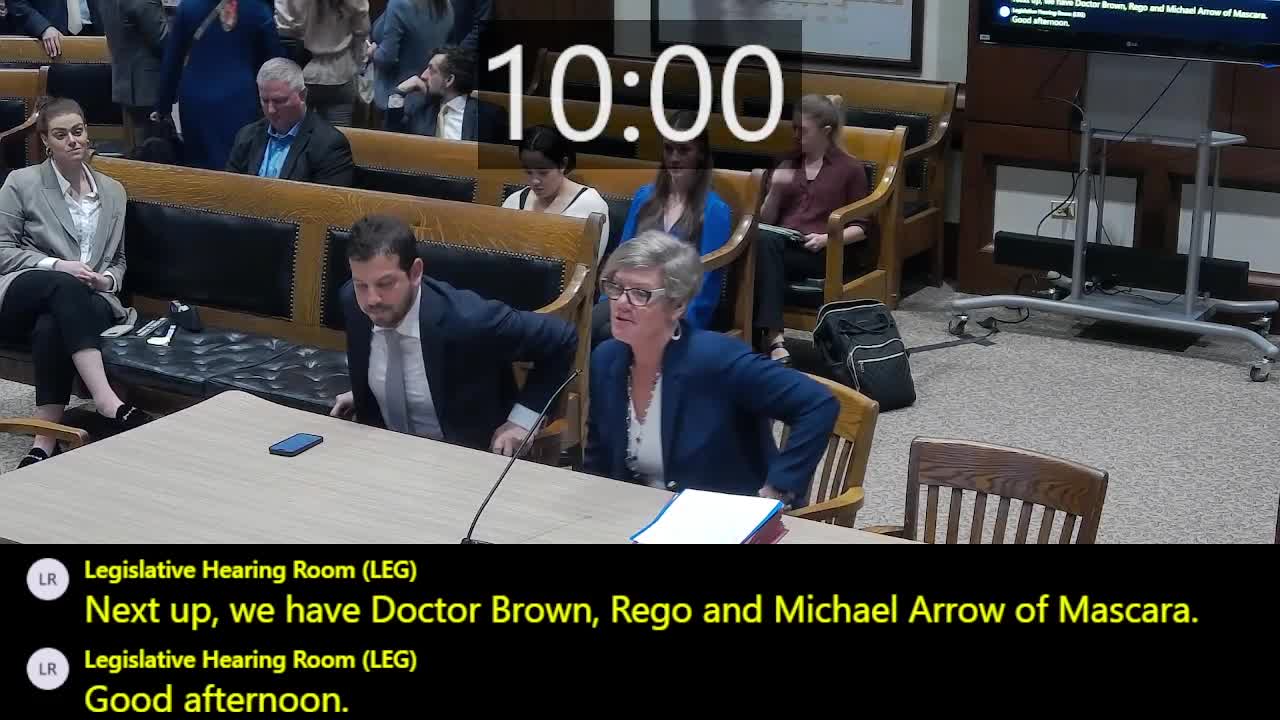
Donna Rodrigo, executive director of the Massachusetts chapter of MAS MARO, and Michael Lara, president of MAS MARO, told the committee the association’s members operate 43,000 state units and face a public housing waiting list nearing 300,000 applicants. Rodrigo said state operating subsidy line items have increased in recent budgets but that “the proposed increases still fall short of our actual need,” citing labor and maintenance cost increases of more than 11% in the past year.
Massachusetts housing‑authority leaders described several recent state investments: in FY25 the administration budgeted about $157 million for public housing capital improvements (a 29% increase from FY24), an earlier $150 million in ARPA funds for capital repairs, and Affordable Homes Act capital awards to produce new affordable units. Michael Lara said vacancy‑turnover work done with the Executive Office of Housing and Livable Communities and planned vacancy turnover teams have reduced the number of operationally controllable vacant units to roughly 1,000 across the state.
Witnesses warned that federal proposals to cut HUD funding and staff would amplify state pressures. Rodrigo and Lara said Section 8 and other federal programs are already experiencing shortfalls and that a proposed federal “skinny budget” has raised concern across housing authorities. Lara said many agencies are planning more conservative voucher issuance and other measures to weather potential federal cuts.
Advocates urged additional state funding for resident services, including support for resident service coordinators. Rodrigo specifically expressed support for a Senate amendment (referred to in testimony as amendment number 83) that would add funding to the resident service coordinator line item, and told the committee that service coordinators “play a vital role in improving residents' quality of life, assisting them to become self sufficient, and allowing seniors to age in place.”
Committee members and agency witnesses also described steps to centralize technical assistance for small housing authorities, regional capital assistance teams (RCAT), and vacancy‑turnover task forces to speed repairs and unit turnover.
No formal votes or statutory actions were taken during the hearing; the session was informational and focused on agency testimony and questions.