Get Full Government Meeting Transcripts, Videos, & Alerts Forever!
Get email alerts on the Veterinary Telemedicine topic
No spam. Unsubscribe anytime.
Committee hears divided testimony on veterinary telemedicine bills that would allow virtual establishment of care
Summary
The House Committee on Regulatory Reform heard testimony on bills that would allow Michigan licensed veterinarians to establish a veterinary‑client‑patient relationship and deliver telemedicine care without a prior in‑person exam.
The House Committee on Regulatory Reform heard testimony on bills that would allow Michigan licensed veterinarians to establish a veterinary‑client‑patient relationship (VCPR) remotely and to provide telemedicine without a prior in‑person exam.
Sponsors and supporters told the committee the change would restore COVID-era telemedicine options that improved access to care for companion animals, particularly in underserved and rural areas, while opponents from the Michigan Veterinary Medical Association (MVMA) and others urged guardrails to protect animal welfare and align with federal drug‑prescribing rules.
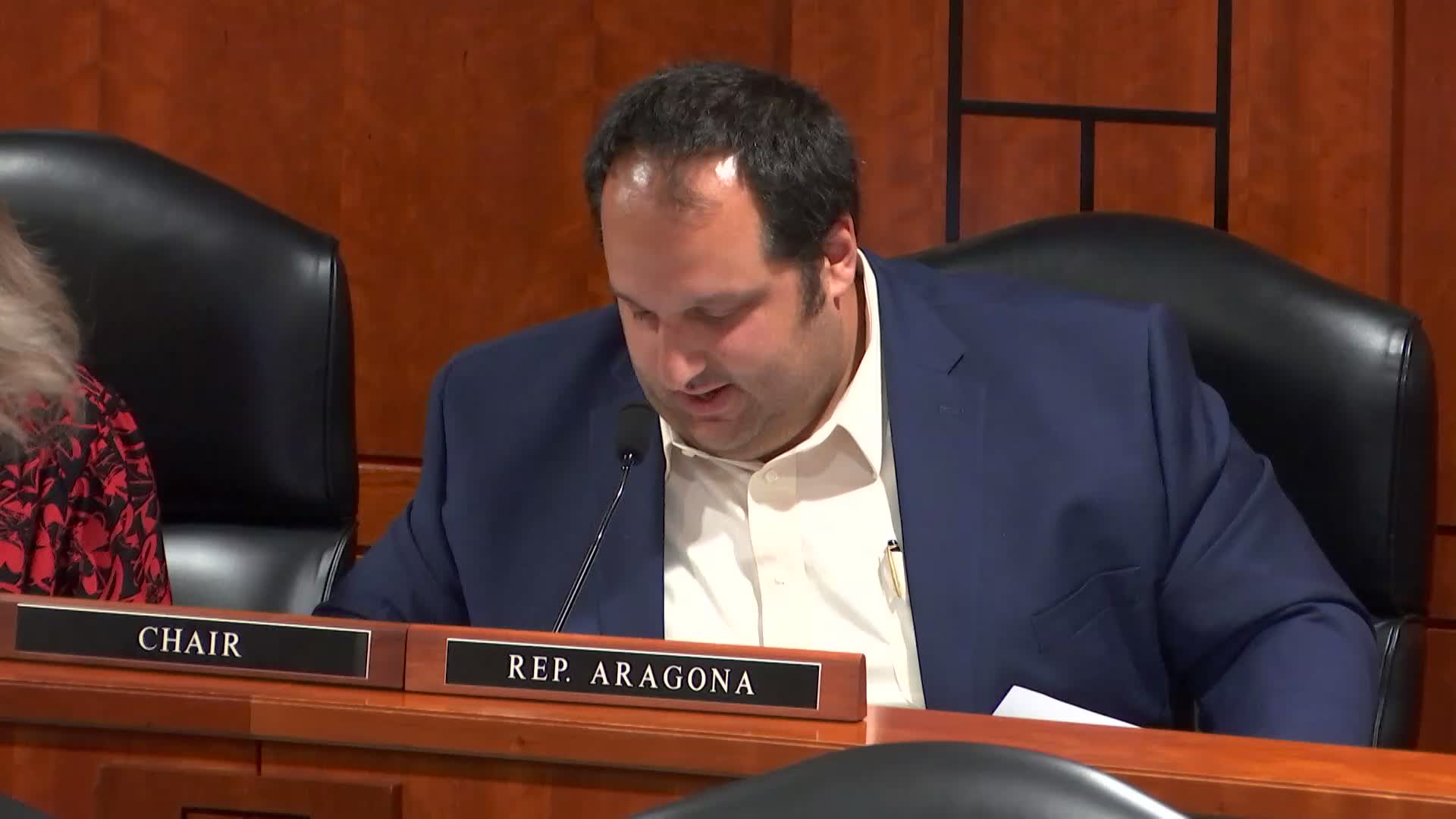
"Telehealth makes sense for veterinary medicine just as it does for human medicine," Representative Aragona, the bill sponsor and chair of the committee, told members at the start of testimony. He and co-sponsor Representative Pawetsky said telemedicine was widely used during COVID under emergency orders and that codifying the practice would expand timely access and reduce stress for animals that fear clinic visits.
Supporters included Tanya Hillendorf of the Michigan Pet Alliance and Courtney White, vice president of veterinary medicine at Huron Valley Humane Society. White said the shelter system and communities face a severe veterinary shortage and that telemedicine served as "a lifeline" during the pandemic. She told the committee, "This is more than just embracing modern technology. It's about expanding access, improving efficiency, and ensuring that every pet owner in Michigan has the ability to receive timely veterinary guidance and care."
Jennifer Hobgood of the ASPCA and other animal‑welfare advocates described telemedicine as a practical tool for triage, lower‑cost consultations and palliative care, offering examples where remote prescriptions allowed pet owners to manage pain or begin treatment when an immediate in‑person visit was impossible.
Opposition testimony came from the Michigan Veterinary Medical Association. MVMA President Dr. Matt Hines, an emergency‑care veterinarian, said, "Our concern is not for telehealth to be restricted. It's to be used properly." He and MVMA CEO Bonhoeffer Ballard said hands‑on exams are necessary in many cases and raised concerns about medications prescribed without an in‑person evaluation; the MVMA also noted federal FDA/USDA rules that affect off‑label and extra‑label prescriptions.
Committee members discussed bill provisions during the hearing. The sponsors and several supporters described the bills' guardrails: prescriptions issued via telemedicine would be time‑limited (the committee discussed a 14‑day cap in the sponsoring package) and controlled substances would be excluded; emergency care and shelter situations were discussed as potential exceptions. MVMA representatives said a 14‑day limit and a federal‑law compliance clause would still leave veterinarians unable to prescribe some extra‑label medications in line with routine practice and urged more explicit alignment with federal requirements.
Speakers also described concrete access problems in Michigan: Huron Valley Humane Society said it serves more than 25,000 animals annually; advocates noted many counties have limited veterinary coverage and that two‑thirds of Michigan households consider pets part of the family. Witnesses described telemedicine's role in reducing stress for chronically ill or elderly animals and increasing access for owners with transportation or mobility limits.
No committee vote was taken on the bills at the conclusion of the hearing. Sponsors and opponents indicated willingness to continue negotiating language, and committee members urged follow‑up meetings to reconcile access goals with professional‑practice and federal drug‑prescribing requirements.