Get Full Government Meeting Transcripts, Videos, & Alerts Forever!
Get email alerts on the Water Infrastructure Security topic
No spam. Unsubscribe anytime.
Lawmakers hear push to give Great Lakes Water Authority police powers to protect water system
Summary
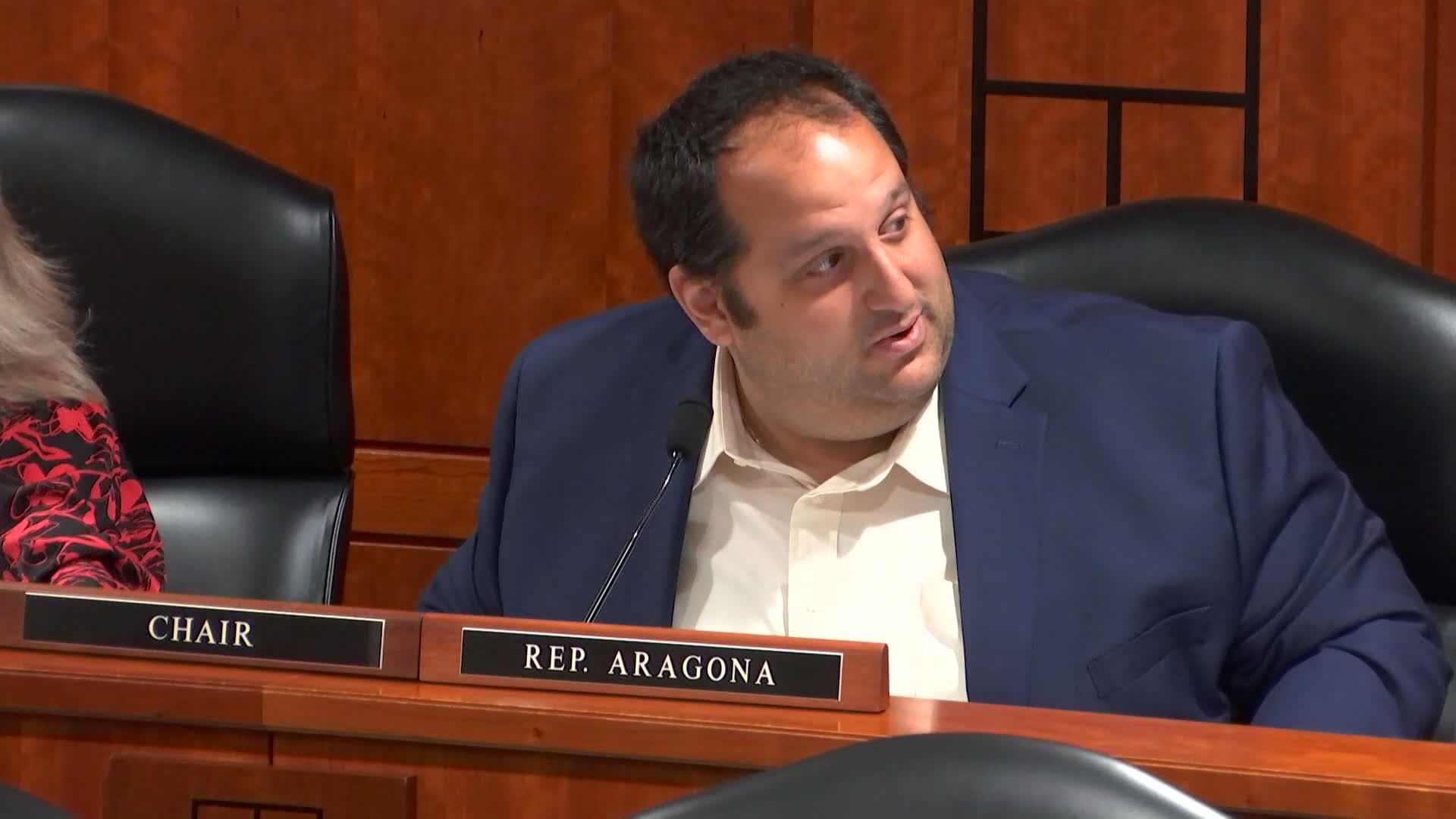
The House Committee on Regulatory Reform on Thursday heard testimony on a package of bills (HB 4352–4355) that would grant the Great Lakes Water Authority police powers to protect its drinking-water and wastewater facilities across southeast Michigan.
The House Committee on Regulatory Reform on Thursday heard testimony on a package of bills (HB 4352–4355) that would grant the Great Lakes Water Authority police powers to protect its drinking-water and wastewater facilities across southeast Michigan.
Supporters told the committee the authority oversees a geographically spread system that serves about 40% of Michigan residents for drinking water and about 30% for wastewater and that local law enforcement priorities and jurisdictional limits can leave critical infrastructure exposed.
William Wolfson, deputy chief executive officer of the Great Lakes Water Authority, told the committee, "we serve on the drinking water side approximately 40% of Michigan's population, 3,900,000 people that ingest in their bodies our product on a daily basis. On the wastewater side, we serve 2,800,000 people, approximately 30% of Michigan's population." Wolfson and other witnesses said the authority operates facilities across multiple counties, handles hazardous chemicals and conducts thousands of security patrols monthly; an advocate said the authority conducts "between 10,000 security patrols" each month.
Chief Jones, identified in testimony as a former police chief who also leads security for the authority, told the committee, "The fear is real," describing concerns about insider threats, cross-border risks and foreign actors. Deputy Chief Walter Davis, a former Michigan State Police district coordinator, told the panel that vulnerability assessments repeatedly flagged "insider threat" and that timeliness in screening contractors is a key operational gap.
Those testifying for the authority asked the committee to authorize a limited number of full law-enforcement–certified officers who would receive Michigan Commission on Law Enforcement Standards (MCOLES) training and certification. Chief Jones said he was requesting police powers for 24 officers rather than the entire force and that the authority would pay certification costs and meet state training standards.
The Michigan Commission on Law Enforcement Standards' executive director testified in opposition to the bills as written. He said the commission supports the authority's mission and its need for security but urged the committee to use an existing legal mechanism, Public Act 330 of 1968 (the private security/branded-security provisions administered by the commission), which allows certain security personnel to exercise limited law-enforcement authority on their employer's premises while on duty and in uniform. The executive director said PA 330 provides background‑check access and other screening tools without granting broad law-enforcement jurisdiction over residents across multiple counties.
Committee members pressed both sides on operational details, training and scope. Supporters said the authority's infrastructure connects facilities across eight counties and crosses an international border with Canada, arguing that those factors make a premises-only approach insufficient. The MCOLES representative said the PA 330 option would cover facilities and would allow live-scan fingerprint checks to identify on-watch individuals quickly.
Discussion items recorded included: how many officers would receive full police powers, the training standards those officers would meet if certified by MCOLES, and whether PA 330 would provide sufficiently broad authority for the authority's operational footprint. No formal committee action on the GLWA police‑powers bills was taken during the hearing; testimony was the primary outcome.
The hearing also included questions about comparability with other entities that have been granted enforcement powers (airport police and some transit and nuclear security arrangements were cited) and requests from lawmakers for statutory language that limits scope, training requirements and use of force consistent with state standards. Supporters emphasized that additional powers would be exercised only on property and assets owned or operated by the Great Lakes Water Authority and that certification costs would be borne by the authority.
Committee members said they would consider the testimony and potential statutory language changes, including whether to require an initial try of the PA 330 (private-security police) route before expanding general law‑enforcement authority. No vote on the GLWA bills was recorded at the hearing.