Get Full Government Meeting Transcripts, Videos, & Alerts Forever!
Get email alerts on the Wildlife Conservation Pheasant Stamp topic
No spam. Unsubscribe anytime.
Committee Hears Testimony to Remove Sunset From Michigan Pheasant Stamp Program
Summary
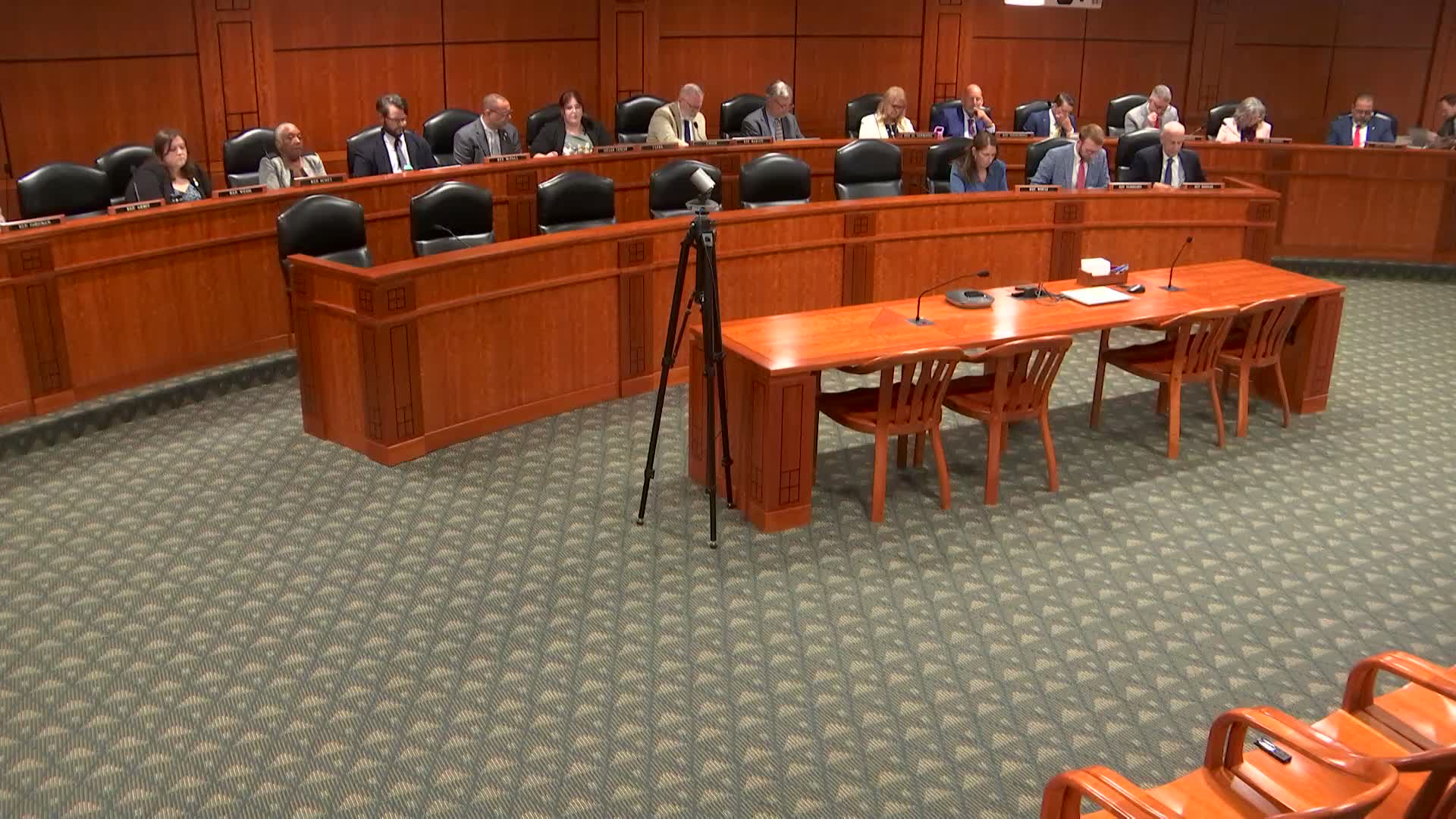
The House Committee on Natural Resources and Tourism heard testimony on House Bill 4,401 to remove a sunset provision from the state''s pheasant stamp law; supporters described the program as self-funded and popular, but no vote was taken.
The House Committee on Natural Resources and Tourism heard testimony on House Bill 4,401 on whether to remove a sunset provision from Michigan''s pheasant-stamp law, the bill''s sponsor, Representative Green, told the committee. The bill would continue a self-funded program that raises hunting-related revenue to fund pheasant releases and habitat work.
Supporters told the committee the program has increased hunter participation and local economic activity. "We have 232 days till the self funding program ends, and we're doing our best to stop that from happening," said Jack Everman, representing the Michigan Pheasants Hunting Initiative. Justin Tomei, representing the Michigan United Conservation Clubs, said his organization''s 40,000 members and 200 clubs support House Bill 4,401 and described the fund as a "wholly positive experience."
Committee members sought basic program details and impacts. Lawmakers asked about participation numbers; witnesses said the state sells roughly 7,000 to 7,500 pheasant licenses annually and that total pheasant hunters could be "closer to 10,000" when giveaway licenses and youth exemptions are counted. Everman said the program releases birds at roughly 13 state game areas and that area managers report increased parking demand on opening days.
Witnesses described the program as self-funded: "You buy a pheasant license, that money goes towards buying a rooster. It doesn't come from anybody else," Everman said. He told the committee that about 21 other states run pheasant-release programs but distinguished Michigan's arrangement as self-funded.
No committee action was recorded on House Bill 4,401 during the hearing. Committee staff read supporting testimony cards from conservation and hunting organizations, including the Congressional Sportsman's Foundation and the Michigan DNR legislative office.
Why it matters: supporters framed the bill as preserving a small, self-sustaining conservation and youth-outreach program that, they say, supports rural businesses and exposes new hunters to the outdoors. Committee members pressed for participation counts, habitat trends and program mechanics but did not vote on the measure during the session.