Get Full Government Meeting Transcripts, Videos, & Alerts Forever!
Get email alerts on the Public Works Parks Marina topic
No spam. Unsubscribe anytime.
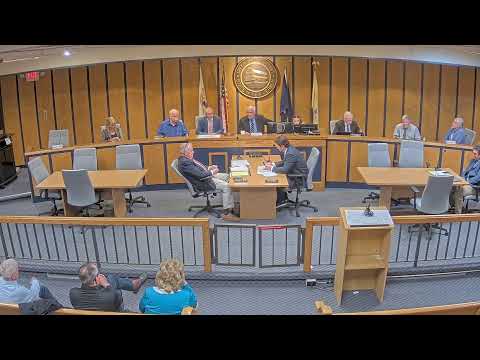
Somers Point council debates boat-ramp gate operations after low revenue, repair issues
Summary
Councilors and residents debated whether to keep, repair or remove recently installed boat-ramp gates after the city collected about $17,851 last season against a previously estimated $65,000 in revenue; staff will draft a resolution on season definition and operations for the next meeting.
Somers Point councilors spent substantial time at their March meeting debating the future operation, season definition and finances for the city’s newly gated boat ramps.
Council President Haberkorn opened the discussion saying he wanted direction and a resolution at the next meeting. City Administrator Jason Frost and council members described mechanical and payment problems with the gates and kiosks; Frost said some gate pedestals are out of warranty and that the city has contracted technicians for repairs as needed. Frost said last year’s receipts from the ramps totaled $17,851, while he recalled the project’s conservative revenue estimate when installed had been about $65,000 annually.
Council members and members of the public disagreed about whether to keep the gates, tear them out or modify operations. Councilor Geraghty said he would “tear them out and stop the bleeding,” while Councilor Owen said he wanted to make the gates work with fobs and seasonal permits, particularly for weekend use. Several council members and staff said the gates had not been fully operational last season and that card and mobile-app payments were inconsistent.
Frost said the city bonded for the gate project and that capital and operational work totaled “somewhere between a hundred and 52 and a hundred and 55,” figures he cited from prior estimates. A staff proposal for monitoring and remote support this season was presented at roughly $14,700; Frost also referenced a monitoring fee rate of $24.07 (described as a per‑unit monitoring/service charge in the discussion). Council members noted the gates’ pedestals are out of warranty, meaning repairs are an out‑of‑pocket expense.
Residents who spoke at the meeting urged the council to make the ramps usable and to find ways to generate revenue from them. Charlie Folkenstein presented several pricing scenarios based on an eight-month season and argued that modest daily and seasonal fees could produce materially more revenue if enforcement and reliable payment systems were in place. Bill Collins and Patricia Pearson urged councilors to preserve and monetize the ramps; Pearson said town users have paid modest local fees for decades in neighboring jurisdictions.
Council discussion produced two clear near-term directions. First, a majority of councilors agreed a season pass should, at minimum, be an annual permit rather than a shorter seasonal window; several councilors said they favor an annual permit that runs through the calendar year. Second, Council President Haberkorn said he, Frost and Solicitor Smith will draft a resolution for the next meeting to set the season definition and operational direction for the gates and to clarify staffing/repair responsibilities.
Why it matters: The gates represent a capital investment tied to ongoing maintenance and customer-payment systems; low receipts last season, out-of-warranty equipment and monitoring costs mean the city must decide whether to continue gate-based enforcement, revert to other enforcement methods, or change the pricing and permit structure.
What comes next: City staff and the solicitor will draft a resolution for council action at the next meeting to define the season (councilors expressed support for an annual permit), to set operating parameters and to outline any service/monitoring contracts needed for reliable kiosk and credit-card/mobile payments.