Pueblo County, City propose alternating-year process for joint board appointments
Loading...
Summary
County staff proposed alternating years for city and county to handle postings and selections for jointly appointed boards, with ratification by the other body; commissioners asked for access to full applicant lists and a dispute path.
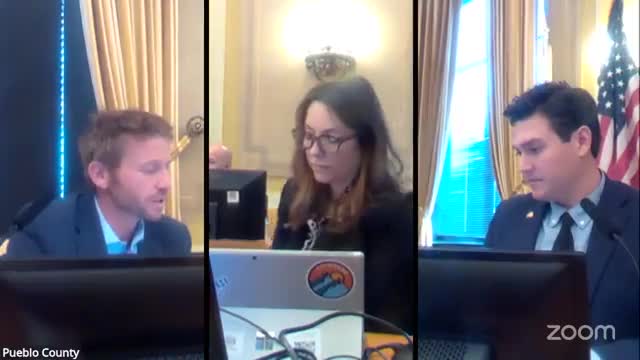
Tommy Farrell, a county staff member, briefed the Pueblo County Board of County Commissioners on a proposed process to manage joint appointments to boards and commissions shared between the county and the City of Pueblo.
Farrell said the plan would alternate which jurisdiction handles advertising and initial selection: "So 1 year, the city will do all the posting, the advertising, receive the applications, and then the next year, the county does that for those joint positions." Under the proposal, when it is the county's year, selections would be made at a regular BOCC meeting and then sent to city council for ratification; the reverse would apply on the city's year.
The proposal aims to avoid additional special joint meetings after PACOG and to clarify voting concerns when council and county representation differ. Commissioners asked how the process would handle strong objections from the other body. County Attorney Cynthia Mitchell said parties could schedule a meeting if both strongly disagreed, returning to the existing joint-meeting approach when necessary.
Commissioners also pressed for transparency when the other jurisdiction leads recruitment. Commissioner Miles Lucero said he wanted the BOCC "to always get to see the full list of applicants" rather than receiving only the single nominee. Farrell confirmed the county would receive the full list with an indication of which candidate the city had selected or the mayor had recommended.
Farrell noted some intergovernmental agreements vary: in some cases the council, not the mayor, makes appointments, and newer IGAs may specify the mayor's role. The recommendation keeps all selections within regular county or city meetings and leaves an option to convene a joint meeting if needed.
The board did not take a formal vote in the work session; staff will continue to coordinate language and procedures with the city and county attorney for implementation.