Get Full Government Meeting Transcripts, Videos, & Alerts Forever!
Get email alerts on the Public Records Foia topic
No spam. Unsubscribe anytime.
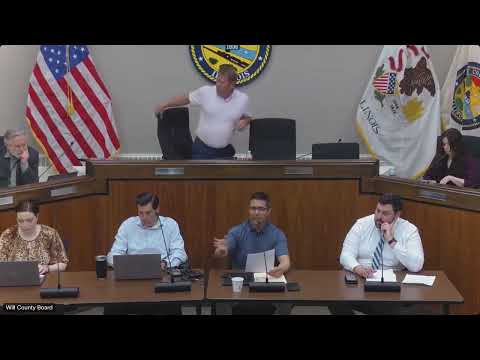
County legal staff reviews FOIA basics, cautions board on texts, emails and record retention
Summary
County legal staff gave an overview of public‑records law, told members that most government materials are potentially public records, and warned that electronic communications (texts, emails during meetings) and notes can become discoverable and costly if not handled carefully.
County legal staff briefed the Committee of the Whole on Freedom of Information Act (FOIA) basics, the broad definition of public records and practical steps board members can take to avoid inadvertent disclosure or litigation exposure.
A county staff presenter summarized the FOIA standard: material that “pertains to the transaction of public business” and is “prepared, used, received or possessed” by the public body is potentially a public record. The speaker said “anything where the government is storing data is a potential record,” and walked through common scenarios—emails, text threads, meeting notes and cloud storage—where records may exist beyond a board member’s personal device.
Why it matters: Requests under FOIA and litigation over withheld records can produce discovery obligations, costs and public exposure. Staff warned members that informal electronic exchanges during meetings can be treated as part of the public‑body deliberative process and thus subject to FOIA or subpoena.
Key details: Presenters told members that two thresholds determine whether something is a FOIA record: (1) whether it pertains to public business and (2) whether the public body prepared, used, received or controlled it. They highlighted practical pitfalls: group text threads or emails that include a quorum can convert private communications into public records; messages sent to members during an open meeting may be treated as part of the official record; and server retention policies often preserve email for several years (IT staff cited a seven‑year server retention as the operational practice discussed during the meeting). The presenter cautioned, “Don't ever write anything down that you don't want read back to you in a deposition.”
Members asked operational questions about written public comments, planning commission minutes and how third‑party materials are treated. Staff advised that written public comments attached to meeting packets are not a substitute for testimony at the statutorily required public hearing; plaintiffs and opposing parties must have an opportunity to question or test evidence at hearing. The presenter also noted that some exemptions apply to FOIA requests (for example, active criminal investigations), but that FOIA law generally cuts against withholding records and puts the burden on the public body in litigation.
Ending: Staff said it will coordinate follow‑up answers with IT and other departments (for example, to confirm metadata retention practices and availability of IP or metadata for specific emails), and recommended conservative handling of electronic communications that could touch on public business. The county’s legal team and IT staff agreed to examine whether standardized public guidance and improved access to Planning and Zoning Commission recordings and minutes could reduce confusion and risk.