Get Full Government Meeting Transcripts, Videos, & Alerts Forever!
Get email alerts on the Youth Mental Health Prevention topic
No spam. Unsubscribe anytime.
Bill would fund pilot to expand prevention and behavioral-health services for youth in 20 Oregon counties
Summary
House Bill 3,631 would direct the Oregon Health Authority to partner with a statewide community-based organization to run a pilot delivering substance-use prevention education and expanded mental/behavioral health services at after‑school and summer programs in 20 counties, appropriate $8 million, and require reporting in 2026 and 2027.
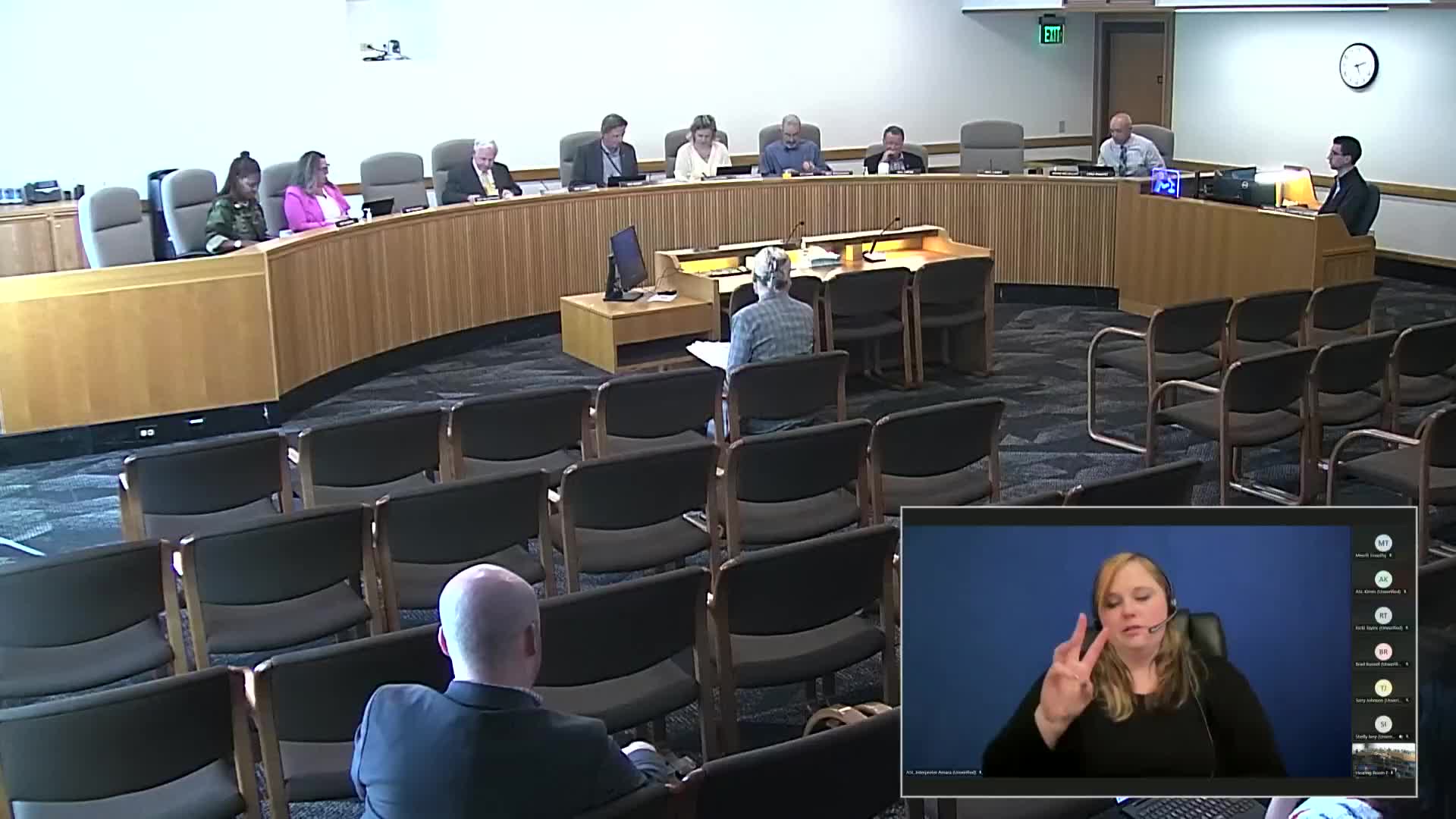
Representative Shelley Bossart Davis introduced House Bill 3,631, the Thriving Youth Prevention and Intervention Initiative, during a public hearing May 14 before the Joint Committee on Addiction and Community Safety Response. The bill would require the Oregon Health Authority to partner with a statewide community‑based organization to establish a pilot serving youth in 20 counties, appropriate $8,000,000 for the pilot, require progress reports in 2026 and 2027, and declare an emergency so the measure would take effect on passage.
The bill’s sponsors and a coalition of after‑school providers told the committee they want to use the pilot to expand evidence‑based prevention curriculum and add community‑based behavioral health services inside trusted, out‑of‑school settings. “This pilot could serve 15,000 youth,” Representative Shelley Bossart Davis said, and would “boost the work of Boys and Girls Clubs and YMCA already doing work in these communities.”
Nonprofit providers described how after‑school and summer programs reach youth during critical hours and can deliver prevention and mental‑health interventions. Timothy Sinatra, CEO of the YMCA of Salem, said the organizations “serve from Marion Polk County over 17,000 families and children” and argued the network is “shovel ready” to scale prevention supports. Robin Kerner, interim CEO of the Boys and Girls Clubs of Salem and Marion‑Polk counties, recounted a club member’s experience and said clubs integrate trauma‑informed practices and evidence‑based prevention curricula because “this isn’t just about homework help or snacks. It’s about saving lives.”
Speakers from camps and regional YMCAs urged that overnight and day camps be included in the pilot. Jeff Sugarman, representing the Oregon Alliance of Camps, said camps “are powerful platforms of youth development and mental health improvements” and requested they be treated as partners alongside clubs and YMCAs. Several local club and YMCA leaders described using or planning to use the Positive Action social‑emotional learning curriculum and adding prevention or behavioral‑health staff or partnerships where they do not currently exist.
Bethany Tramer, director of the Oregon Alliance of Boys & Girls Clubs, told the committee that the 20 counties named in the bill would be “representative of where organizations exist” and that program models and staffing would vary by site: “it’s a variety depending on the organization, the current grants they hold, and their community need, what level of prevention specialists, partnerships with mental health providers in their community, or if in this case they would be able to use funding to actually bring on staff or have staff in the building, complete certification.”
Not all testimony was supportive. Jessica Pratt of the Association of Oregon Counties, representing county governments, said the bill risks creating “new silos” and serving only children enrolled in select after‑school clubs. Pratt noted existing prevention programs — for example, Linn County’s life skills program and Deschutes County’s Healthy Schools program — and argued the state should fund primary prevention equitably through county public‑health infrastructure rather than a single statewide CBO. “We wholeheartedly agree that the state should fund primary prevention. But a pilot project is not the way to go,” Pratt told the committee.
The committee closed the public hearing after receiving testimony from multiple statewide and local providers. No committee vote on HB 3,631 occurred at the May 14 session; sponsors and committee staff said amendments were being drafted and that they expected further work in the coming week.