Get Full Government Meeting Transcripts, Videos, & Alerts Forever!
Get email alerts on the Campus Sexual Misconduct Reporting topic
No spam. Unsubscribe anytime.
Bill would expand and contextualize campus sexual‑misconduct reporting, Title IX staff tell committee
Summary
Supporters and Title IX staff told the Senate Education Committee May 14 that House Bill 3731 would improve public reporting on sexual misconduct at colleges by adding third‑party incidents and narrative context to annual reports.
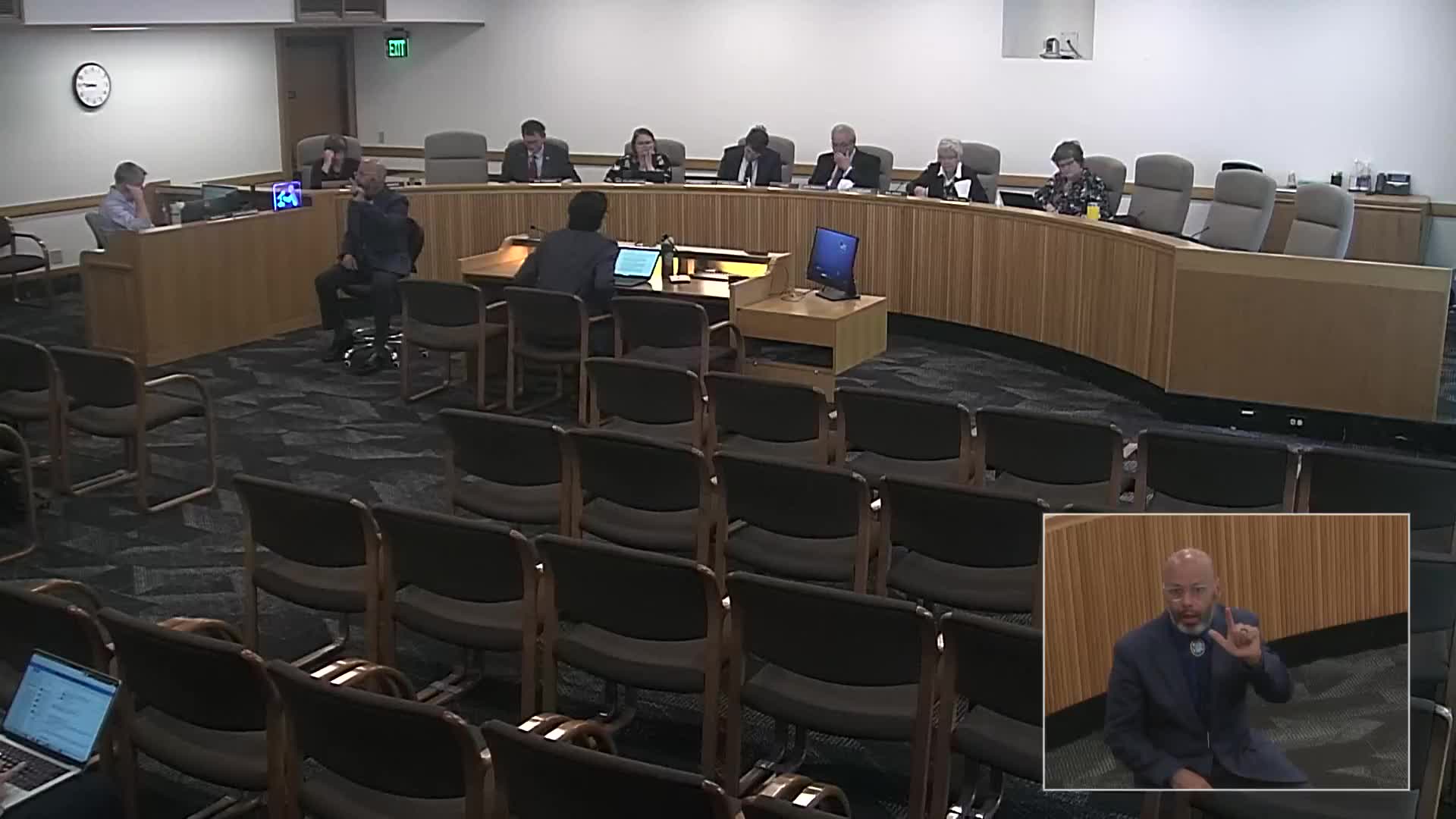
The Senate Education Committee heard testimony May 14 on House Bill 3731, which would expand and clarify annual public reporting requirements for sexual misconduct at Oregon’s institutions of higher education.
Kavi Shrestha, legislative aide to Representative Anessa Hartman, said the measure aims to "make sure our data is comprehensive and tells the full truth about sexual misconduct on college and university campuses in Oregon." Shrestha said the bill adds required narrative sections, allows institutions to report alleged misconduct by third parties (people who are not students or employees), and permits an unlimited‑length executive summary for the annual report.
Portland State University Assistant Vice President Albert Roberson, who also serves as the university’s Title IX coordinator, welcomed improvements but cautioned that raw numbers can mislead. "Transparency, when misapplied, can become distortion," Roberson said. He and other regional Title IX coordinators said the statutory reporting framework developed under earlier legislation left out context such as anonymous reports, third‑party incidents, and cases survivors decline to pursue, which can make public figures appear incomplete or inconsistent across campuses.
Witnesses described the bill as designed to give institutions a way to contextualize counts by adding narrative descriptions of the types of misconduct reported, the supportive measures offered, and how cases were closed. The bill includes a longer implementation window so most changes take effect in the 2025–26 academic year; the narrative section could be included sooner. Supporters said better contextual reporting will help students, policymakers and the public understand campus climates and inform future policy and funding decisions.
Committee members asked how the state would use the data, whether it would trigger audits or policy responses, and whether smaller colleges have capacity to prepare the new narratives. Kyle Thomas of the Higher Education Coordinating Commission said the commission’s formal authority to evaluate the data is limited but that HECC can develop rules to standardize reporting and will share perspective with legislators. Title IX coordinators asked for a working group to refine metrics, and Roberson said colleges remain committed to transparency but want reporting to accurately reflect trauma‑informed processes.
No committee vote occurred on May 14; staff and stakeholders said they will continue negotiating technical language and implementation guidance.