Get Full Government Meeting Transcripts, Videos, & Alerts Forever!
Get email alerts on the Insurance Twia Reform topic
No spam. Unsubscribe anytime.
Senate committee hears proposal to shift TWIA borrowing to state financing and add transparent storm surcharges
Summary
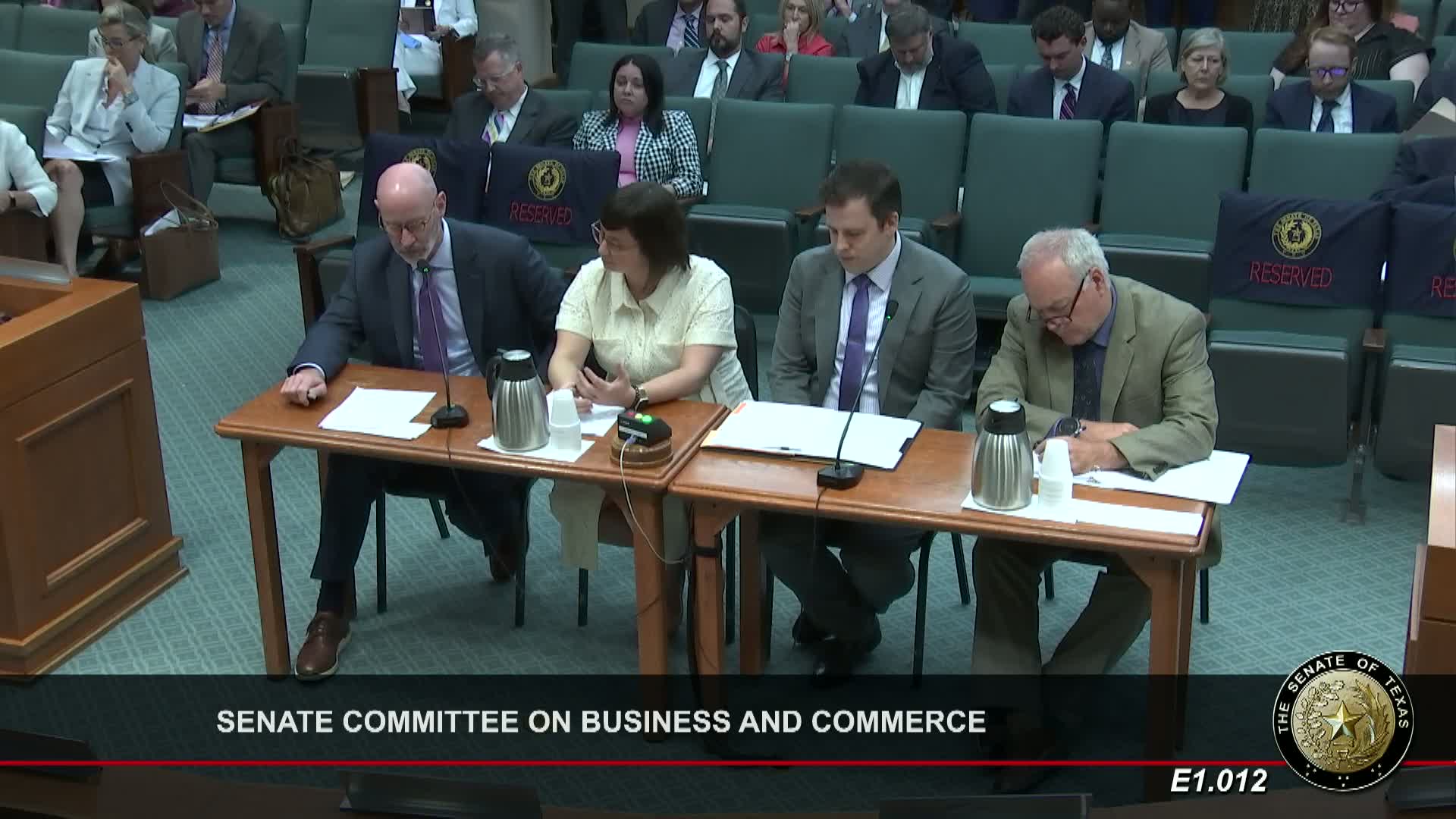
Senators heard House Bill 36 89, a package to change how the Texas Windstorm Insurance Association raises post‑event cash and to create short‑term surcharges that would appear as line items on policies only if a catastrophic event occurs.
The committee took testimony on House Bill 36 89, a measure that would change the Texas Windstorm Insurance Association’s post‑event financing structure and add temporary, clearly labeled surcharges on policies to repay state loans used after a catastrophe.
Sen. Sarah Kolkhorst, explaining the bill, described a new sequence that would use TWIA funds and the CRTF (catastrophic reserve trust fund) first, then permit state loans up to $1 billion and assessments on insurers before calling on reinsurance. The bill author would also allow a pre‑event loan up to $500 million and set a two‑year $2 billion cap on borrowing in a major event, she said.
Supporters said the approach reduces TWIA’s dependence on costly market securities and reinvests a larger share of premiums in the CRTF. "This simplifies the funding stacks in TWIA. It removes the very expensive public securities provision that we experimented with between 2015 and now and found to be very expensive," said Beamon Floyd of the Texas Coalition for Affordable Insurance Solutions.
Industry witnesses and coastal representatives said the bill increases transparency by requiring an annual TWIA report and a visible "catastrophic pass‑through" surcharge line on affected policies that would appear only while loans are being repaid. "This will allow policyholders to see where the surcharge goes," Sen. Kolkhorst said.
The committee left the bill pending; sponsors said they would continue to refine technical provisions with stakeholders.
Why it matters: The bill aims to reduce borrowing costs for TWIA and to keep more premium dollars in reserve funds that pay claims after storms. That could lower long‑term costs for coastal policyholders and reduce reliance on expensive bond markets.
What’s next: Committee requested additional technical drafting on surcharge triggers and repayment terms.