Investors and lawmakers press to expand SBIC/RBIC and SBA loan limits to finance U.S. factories

3317456 · May 14, 2025

Get AI-powered insights, summaries, and transcripts

Subscribe
AI-Generated Content: All content on this page was generated by AI to highlight key points from the meeting. For complete details and context, we recommend watching the full video. so we can fix them.

Summary

Investors and small-business founders told the Senate committee that expanding Small Business Investment Company and Rural Business Investment Company leverage, and raising SBA loan limits for manufacturers, would unlock capital for reshoring and growing small manufacturers in rural and low‑income areas.

Witnesses at the Senate Committee on Small Business and Entrepreneurship hearing described how public–private financing tools have helped small manufacturers and urged Congress to expand those programs.

John Michaelson, co‑founder and managing partner of Midwest Growth Partners in Des Moines, said SBIC and RBIC vehicles channel patient capital into overlooked rural companies and cited concrete outcomes. "Starting with 7 employees after our first investment in 2014, today Midwest Growth Partners companies employ more than 3,000," Michaelson said.

Michaelson told senators there are "318 SBICs with over $46,000,000,000 in committed capital" and that about 20 percent of SBIC dollars currently flow to small manufacturers. He described Rural Business Investment Companies (RBICs) as a complementary tool and said RBICs have more than $1,700,000,000 in committed capital.

Ben Geiss, managing director at Eagle Private Capital and chair of the Small Business Investor Alliance, described SBIC investments that scaled companies and created jobs. "Across 91 realized investments our portfolio companies have added over 6,000 jobs and increased revenues by nearly $3,000,000,000," Geiss said, citing firm results.

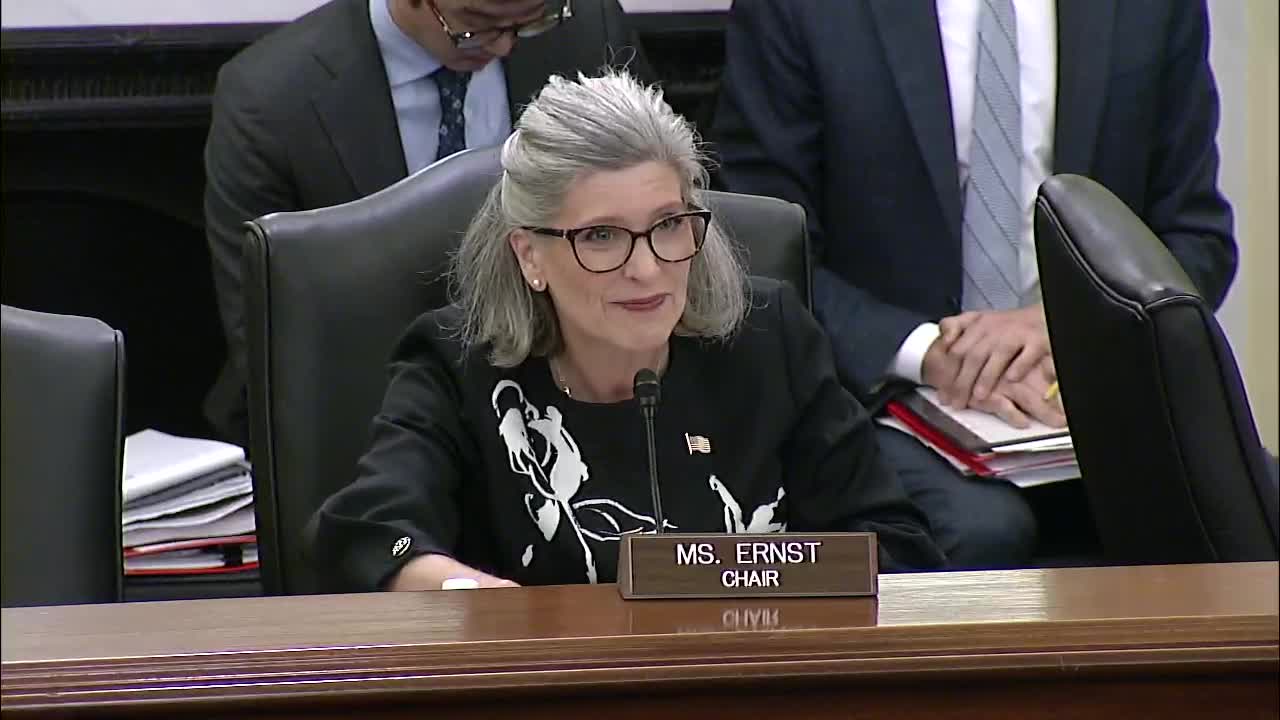
Chair Joni Ernst and witnesses promoted specific legislative options. Ernst described the Made in America Manufacturing Finance Act, which she said would double certain SBA‑backed loan limits from $5,000,000 to $10,000,000 for small manufacturers, and witnesses urged passage of the Investing in All of America Act to provide additional SBIC leverage targeted to rural, low‑income and manufacturing businesses.

Why it matters: Witnesses said that access to longer‑term patient capital, alongside targeted program changes, can make it viable for small firms to open or expand factories in the U.S., supporting jobs in communities that lack other financing conduits.

Examples and scale: Michaelson cited portfolio company Ag Certain in Boone, Iowa, which grew from 22 to 42 employees and invested more than $32,000,000 in facility upgrades after Midwest Growth Partners' investment. He also cited Shells by Design in Garner, Iowa, which grew from 40 to 67 employees and invested in automation.

Riley described Guardian Bikes' experience: after initial SBA 7(a) funding, patient private capital allowed the company to open a factory in Seymour, Indiana, now employing about 250 people and producing roughly 2,000 bicycles per day.

Program details discussed: Witnesses advocated for bonus leverage for SBICs that invest in manufacturing or underserved geographies, indexed adjustments to leverage caps to account for inflation, RBIC enhancements to provide leverage similar to SBICs, and targeted SBIC licensing for critical technologies tied to national security.

No formal committee action occurred; senators asked staff to pursue legislative options and left the record open for additional material. Witnesses and senators said incremental changes to financing programs could be implemented without new appropriations if existing statutory authorities are used to adjust leverage and eligibility rules.

Outlook: Committee members signaled bipartisan interest in expanding capital tools for small manufacturers, and witnesses asked for expedited legislative action to convert policy proposals into deployable capital.