Citizen Portal

Small manufacturers tell Senate tariffs are pushing some firms toward collapse; lawmakers push for exemptions

3317456 · May 14, 2025

Get AI-powered insights, summaries, and transcripts

Subscribe
AI-Generated Content: All content on this page was generated by AI to highlight key points from the meeting. For complete details and context, we recommend watching the full video. so we can fix them.

Summary

Witnesses and senators told the Senate Committee on Small Business and Entrepreneurship that recent Trump administration tariffs and rapid policy changes have sharply increased costs and uncertainty for small U.S. manufacturers, prompting calls for immediate exemptions and emergency relief.

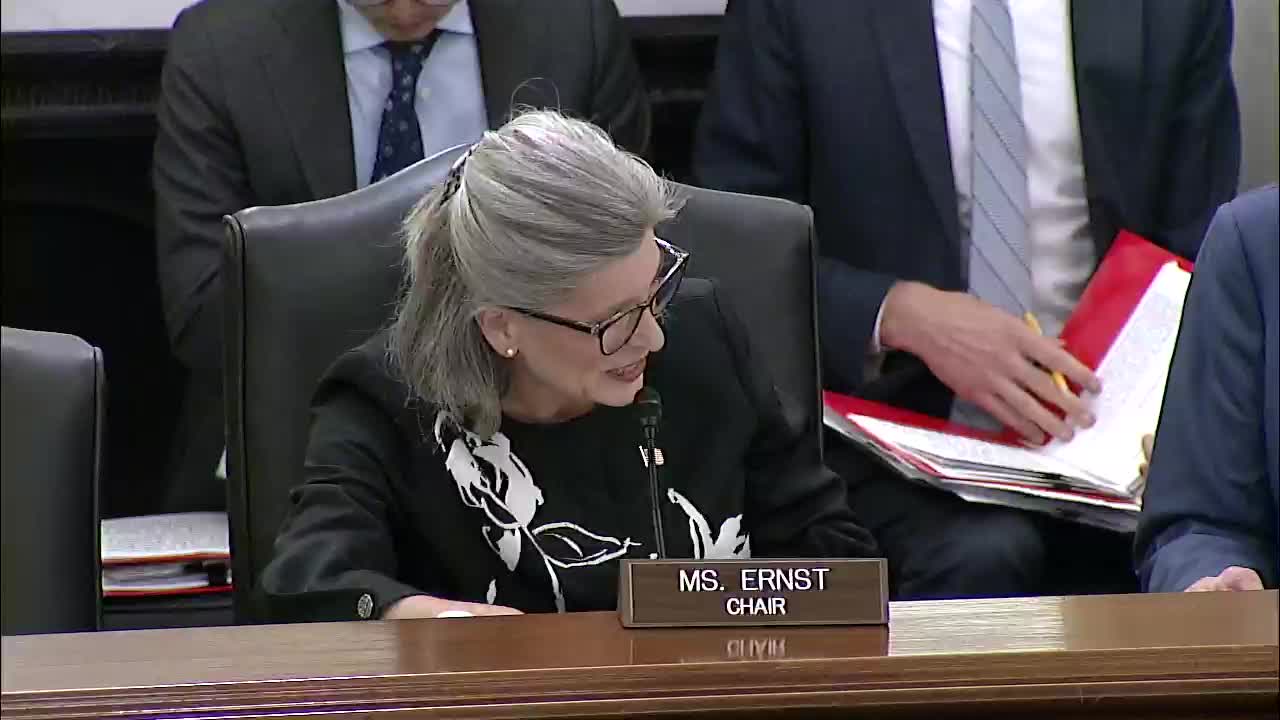
Chair Joni Ernst, chair of the Senate Committee on Small Business and Entrepreneurship, opened a hearing on small manufacturers' access to capital and trade policy, and witnesses told the committee the current tariff regime is an immediate threat to many small firms.

"Without immediate relief from the tariffs and ensuing trade war, U.S. manufacturing companies like mine will not survive this summer," said Julie Robbins, chief executive officer of EarthQuaker Devices, a guitar effects pedal manufacturer based in Akron, Ohio.

The warning came during a panel of investors and small-business founders who described rising input costs, plunging orders and growing uncertainty for firms that operate on thin margins. Ranking Member Edward J. Markey, D-Mass., said recent data show acute disruptions at U.S. ports and in supply chains and urged Congress to act quickly.

"The Trump tariffs are not a recipe for a manufacturing boom. They are a recipe for manufacturing doom," Markey said, and he said he has introduced the Small Business Liberation Act to exempt small businesses from the tariffs. "Just exempt them," he added.

Why it matters: Committee members and witnesses said small manufacturers cannot easily absorb tariff-driven cost hikes or the day-to-day policy changes that complicate planning, hiring and exports. Robbins told senators her company’s year-to-date sales were down 15 percent and April sales were down 33 percent; she said exports have fallen as much as 50 to 100 percent in recent months.

Testimony from other panelists echoed the theme that small firms face special risk. Brian Riley, founder and chief executive officer of Guardian Bikes, said his industry’s supply chain is dominated by China and that earlier tariffs and COVID disruptions were factors in his decision to open a U.S. factory in Seymour, Indiana. He said recent tariff uncertainty, however, still harms small manufacturers.

Senators pressed witnesses on immediate and programmatic remedies. Markey and other senators asked for an exemption for small firms; several senators, including Jeanne Shaheen and Joni Ernst, asked about federal programs that can help businesses navigate exports and access capital.

What witnesses asked for: Witnesses testified that immediate relief should include tariff exemptions or rescission for small manufacturers and clearer, predictable trade policy. Robbins and others also requested continued and expanded technical assistance programs that support exporters, such as STEP (State Trade Expansion Program) and local Small Business Development Centers.

What Congress is considering: Markey said he introduced the Small Business Liberation Act to exempt small businesses from recent tariffs. Chair Ernst described the Made in America Manufacturing Finance Act, which she said would double certain SBA loan limits for small manufacturers to increase access to capital. Other committee members flagged longer-term legislative fixes, including revisions to SBIC/RBIC programs to boost investment in small firms.

The hearing did not produce a formal committee vote or an immediate change in law. Senators left the record open for two weeks to submit additional materials.

Robbins closed by saying the combination of rapid tariff changes and lack of small-business exemptions has created "complete uncertainty" for small U.S. manufacturers and called for immediate action to prevent permanent business closures.

Looking ahead: Committee members said they will continue to weigh short-term tariff relief against longer-term financing and workforce measures designed to rebuild domestic manufacturing capacity.