Get Full Government Meeting Transcripts, Videos, & Alerts Forever!
Get email alerts on the Fvpsa Domestic Violence topic
No spam. Unsubscribe anytime.
Tribal advocates tell Senate FVPSA staffing changes and grant delays imperil shelters and survivor services
Summary
Witnesses said the Family Violence Prevention and Services Act (FVPSA) and the HHS office that administers it provide critical shelter and crisis services in Indian country; they reported that leadership changes, staff furloughs and paused solicitations have left tribal grantees uncertain about funding continuity.
WASHINGTON — Tribal advocates told the Senate Committee on Indian Affairs that disruptions at HHS have put domestic‑violence shelters and tribal crisis services funded by the Family Violence Prevention and Services Act at risk.
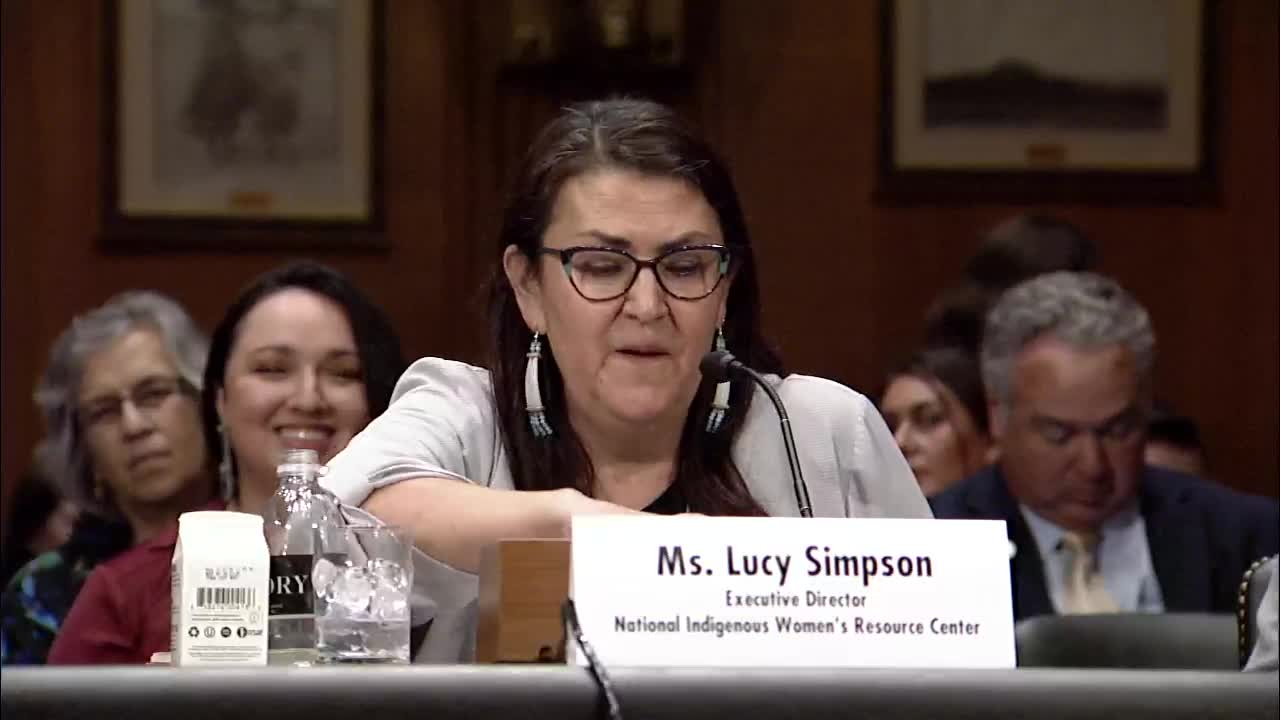
"FVPSA has been the cornerstone of our nation's response to family and domestic violence for more than 40 years," Lucy Simpson, executive director of the National Indigenous Women's Resource Center, said in testimony. Simpson described FVPSA as the only federal source dedicated to emergency shelter and related services and said sudden staffing and leadership changes at the HHS office that administers FVPSA have created gaps in communication with tribal grantees.
Why it matters: Tribes rely on FVPSA formula grants and related technical assistance to run shelters, helplines and culturally specific advocacy services. Simpson and other witnesses said when program directors or grants officers are placed on administrative leave and when continuation applications are delayed, tribal programs confront uncertainty about payroll, operating expenses and their ability to deliver safe shelter to survivors.
Testimony highlights: Simpson said the Office on Family Violence Prevention Services (OFPS/OFIPs in testimony) provides training and technical assistance and helps distribute FVPSA formula grants to more than 230 tribal programs. She testified that, after a director was placed on administrative leave, solicitations and continuation application processes were delayed and grantees were left without clear guidance, causing some programs to pause activities or consider layoffs.
Committee response: Chair Murkowski entered tribal letters into the hearing record and pressed HHS to clarify whether FVPSA funding would be maintained; senators urged HHS to restore continuity and to engage in government‑to‑government consultation. Witnesses said they had not received definitive written assurances to date.
What was not decided: No funding or programmatic changes were adopted at the hearing. Senators requested lists of delayed solicitations and affected grantees so they can press HHS and consider legislative remedies if necessary.
Source notes: All testimony and program details in this article come from the Senate Committee on Indian Affairs hearing and from Lucy Simpson's formal remarks and answers during questioning.