Get AI Briefings, Transcripts & Alerts on Local & National Government Meetings — Forever.
Tribal witnesses warn cuts to SAMHSA, youth programs risk lives amid high native suicide rates
Loading...
Summary
Witnesses told the Senate committee that SAMHSA grants and programs such as Native Connections and tribal mental‑health grants support culturally tailored youth and family services; they said pauses and staff reductions threaten suicide‑prevention gains.
WASHINGTON — Tribal leaders and advocates told the Senate Committee on Indian Affairs that cuts at the Substance Abuse and Mental Health Services Administration and related disruptions at HHS endanger mental‑health and suicide‑prevention services that tribal communities rely on.
"Native youth suicide rates are multiple times higher than other groups," Lonnie Greninger and other witnesses said. They described programs such as Native Connections that fund culturally rooted community interventions, and said those grants allow tribes to hire local staff, provide home visits, and run prevention and healing programs that incorporate language, songs and traditional practices.
Why it matters: Witnesses described Native Connections and other SAMHSA programs as noncompetitive, tribe‑friendly funding sources that support youth‑focused and family‑focused behavioral‑health work not covered by IHS adult mental‑health budgets. They told the committee that the loss of SAMHSA staff and grant pauses has forced some programs to consider shutting services or to delay hiring, increasing short‑term risk for youth in crisis.
Testimony highlights: Tribal witnesses said SAMHSA monies support local innovations such as regalia‑making and traditional‑healer partnerships alongside counseling, and that flexibility in SAMHSA grants is essential for culturally appropriate care. They reported that SAMHSA center‑of‑excellence resources and disaster‑surge mental‑health funds have been disrupted by reorganization and staffing changes.
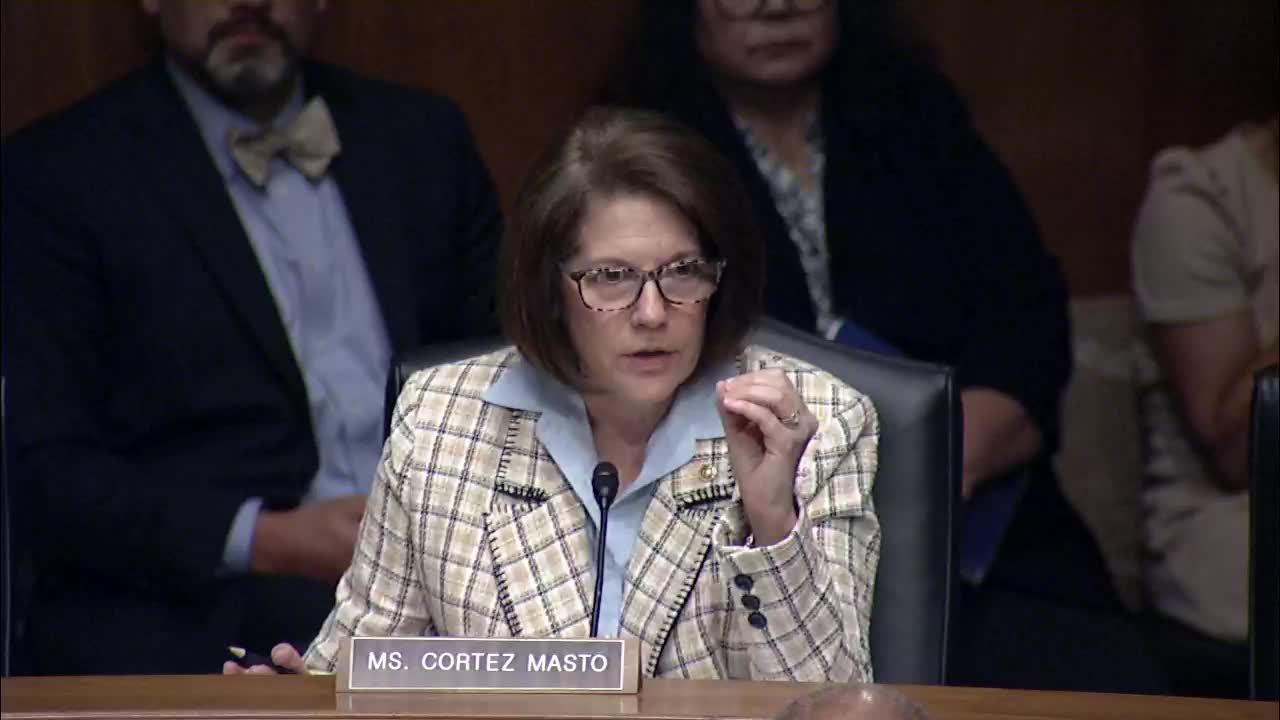
Committee response: Senators asked for specific examples and urged the administration to restore funding continuity and technical assistance. Committee members emphasized the life‑saving role of early outreach funded by SAMHSA and asked witnesses to provide follow‑up documentation on immediate service gaps.
What was not decided: The hearing produced no formal legislative or budgetary actions; senators requested follow‑up information from HHS and witnesses.
Source notes: Quotations and program descriptions are taken from testimony by Lonnie Greninger, Janet Elkier, Melody Charlie and others during the Senate Committee on Indian Affairs hearing on HHS programs.