Get Full Government Meeting Transcripts, Videos, & Alerts Forever!
Kennedy Defends Autism Registry; Senators Press on Privacy, Staffing and Hiring of Controversial Contractor
Summary
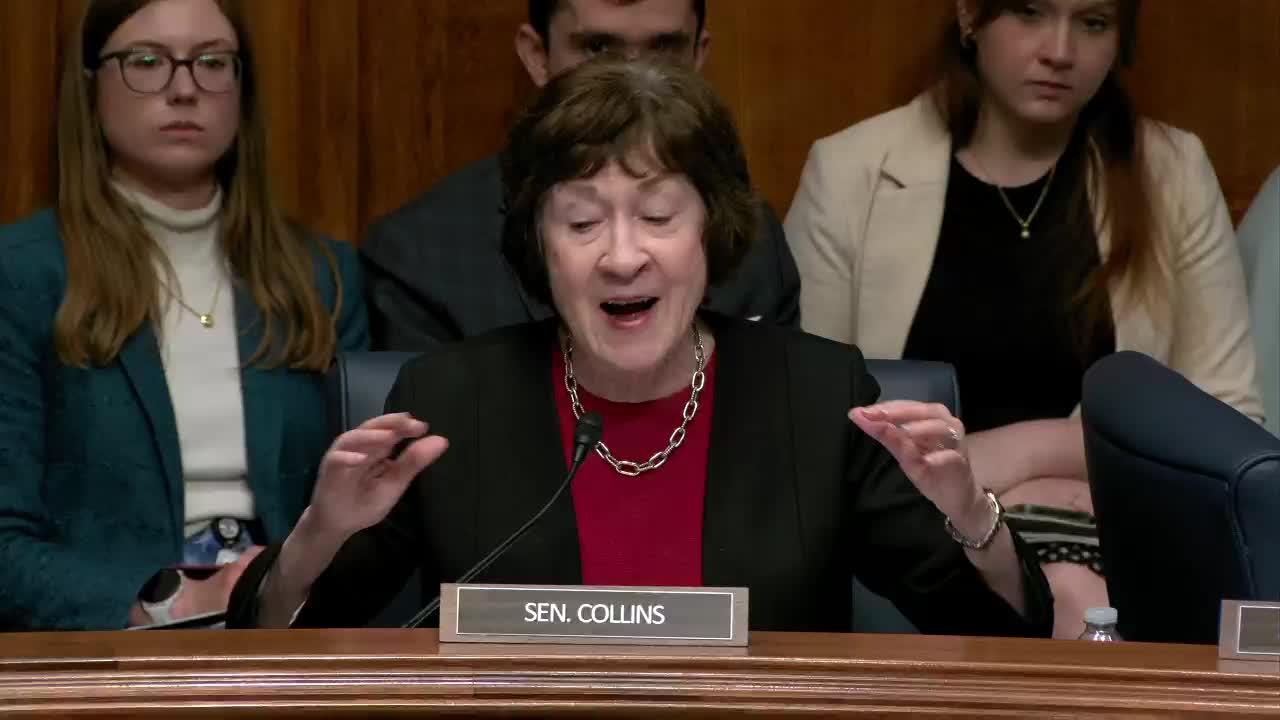
HHS Secretary Robert F. Kennedy Jr. described a voluntary, depersonalized autism registry intended to aid research, while senators raised questions about privacy protections and the involvement of David Geyer in data access and vaccine-safety database reviews.
At the Senate HELP Committee hearing, Secretary Robert F. Kennedy Jr. defended the creation of an autism research registry and described it as a voluntary, depersonalized database intended for scientists studying etiology and treatments.
Kennedy said the registry is "entirely voluntary," will protect patient privacy through de-identification and allow participants to opt out. He framed registries as common public-health tools that assist researchers in…
Already have an account? Log in
Subscribe to keep reading
Unlock the rest of this article — and every article on Citizen Portal.
- Unlimited articles
- AI-powered breakdowns of topics, speakers, decisions, and budgets
- Instant alerts when your location has a new meeting
- Follow topics and more locations
- 1,000 AI Insights / month, plus AI Chat