Citizen Portal

ARPA‑E nominee vows science-driven, broad portfolio while senators press on proposed deep budget cuts

3316025 · May 14, 2025

Get AI-powered insights, summaries, and transcripts

Subscribe
AI-Generated Content: All content on this page was generated by AI to highlight key points from the meeting. For complete details and context, we recommend watching the full video. so we can fix them.

Summary

Connor Prochaska, nominee to lead ARPA‑E, told the Senate Energy and Natural Resources Committee he would pursue high‑risk, high‑reward projects across nuclear, fusion, geothermal and other technologies while senators pressed him on a proposed 57% budget cut and whether renewables would be supported.

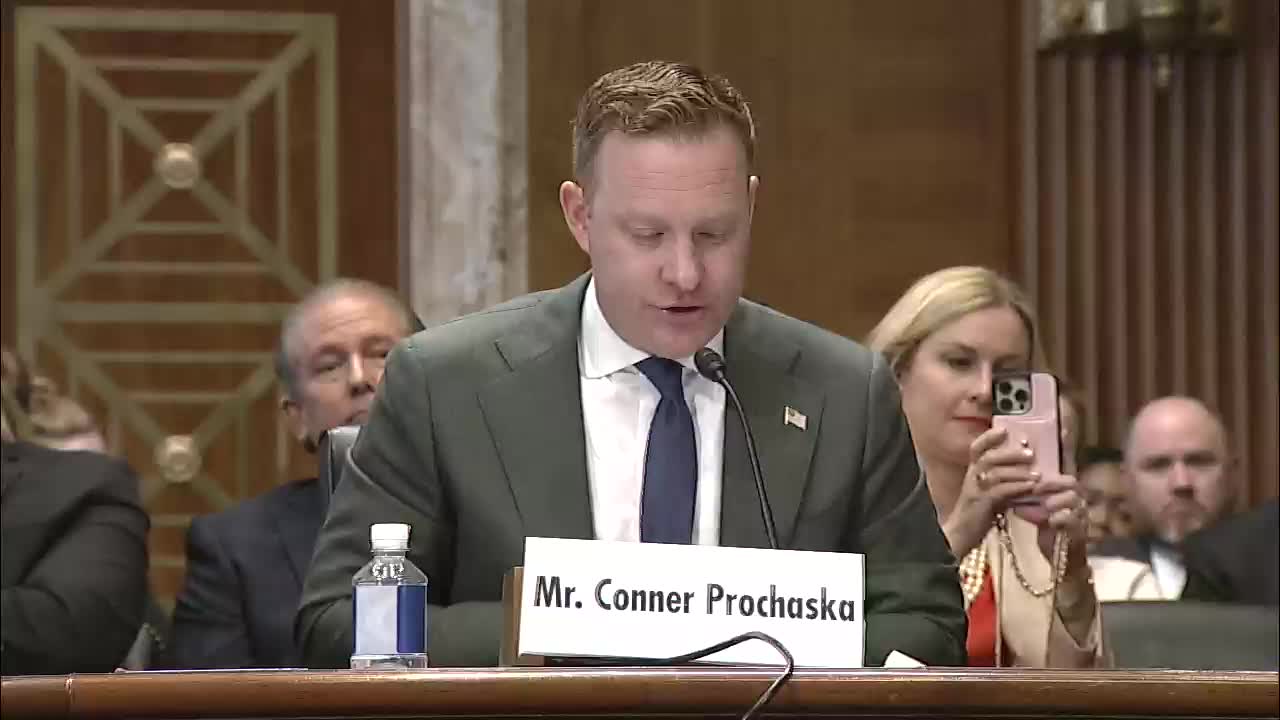
Connor Prochaska, President Trump’s nominee to lead the Advanced Research Projects Agency–Energy (ARPA‑E), told the Senate Energy and Natural Resources Committee on May 13 that he would pursue a broad, high‑risk/high‑reward research portfolio and avoid prematurely “picking winners” while managing projects to maximize commercial impact.

Prochaska, who previously served as DOE’s chief commercialization officer and as ARPA‑E chief of staff, described ARPA‑E’s selection process as one that "brings in the best program managers" and subjects proposals to a "crucible of internal debates and external reviews" to identify programs that move technology toward commercialization.

The most contested line of questioning focused on the agency’s budget. Senator Angus King pressed Prochaska on the Trump administration’s fiscal year 2026 proposal that would cut ARPA‑E funding by about 57 percent and cited language in budget materials stating that "Green new scam technologies are not supported." King said he planned to watch "what you do and not what you say," arguing that budget levels are themselves policy. Prochaska responded that he could not comment on definitions in the budget document but said, if confirmed, ARPA‑E’s portfolio would include the technologies the committee discussed earlier and that the agency would "maximize the resources" available to achieve its mission.

Other senators asked how ARPA‑E would support nuclear‑related research, small modular reactors and the commercialization pipeline. Prochaska cited prior ARPA‑E work on advanced reactors, said he would coordinate with DOE offices to avoid duplication and stressed active program management and engagement with industry, venture capital and national labs to move promising projects toward private financing.

Why this matters: ARPA‑E has been credited with early-stage support for technologies that later scaled in the private sector. A statutory or appropriations‑driven reduction of agency funding would materially change the scale of ARPA‑E’s ability to underwrite risky early‑stage projects that lack near‑term private capital.

What was not decided: The committee heard commitments but no final budget decisions; appropriations remain subject to Congress. Prochaska emphasized the agency’s mission and said he would work with the committee if confirmed.

Ending: Senators left the record open for written questions; several members signaled they would submit follow‑up questions about priorities and funding.