Experts tell Senate panel U.S. must pair diplomacy, targeted incentives to cut China’s processing dominance
Get AI-powered insights, summaries, and transcripts
SubscribeSummary
CSIS expert Gracelyn Baskaran said the U.S. lacks processing capacity and geology limits domestic supplies; she recommended targeted trade, financing, and vertical‑integration strategies and cautioned that some IRA sourcing rules unintentionally exclude resource‑rich partners.
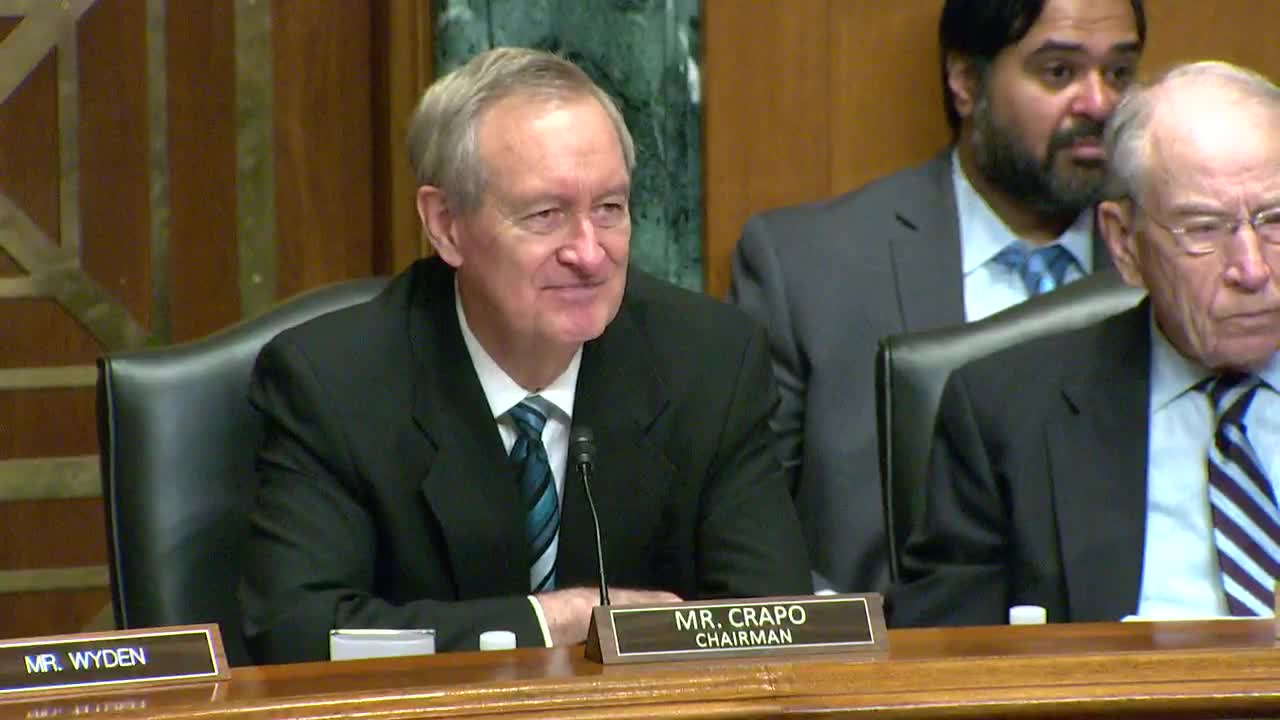
A Senate Finance Committee hearing on May 14, 2025, heard testimony that the United States remains dependent on foreign processors for many critical minerals and that policy changes should combine trade diplomacy, targeted incentives and investment to reduce reliance on China.
Dr. Gracelyn Baskaran, director of the Critical Minerals Security Program at the Center for Strategic and International Studies, told the committee that “China stands as a lead producer for 30 of the 50 critical minerals that we have identified” and controls large shares of processing even when it is not the largest miner. She said the United States has limited reserves — for example, “The United States holds less than 1% of the world's nickel, graphite, and cobalt. We actually only have 1.3% of the world's rare earths.”
Baskaran outlined a set of policy recommendations for reducing dependence: broaden the definition of eligible allied sourcing under the Inflation Reduction Act (she referenced difficulties with the IRA’s "section 30D" sourcing rules), avoid tariffs on raw ore that would undermine nascent domestic processing, align export‑finance tools (DFC and EXIM) with guaranteed U.S. offtake, prioritize vertical integration so early mining investments do not end up feeding Chinese processors, and invest in the midstream ecosystem (energy, roads, rail) and strategic corridors such as the Lobito Corridor.
She said the IRA’s 30D provision, which ties tax credits to minerals processed in the U.S. or free‑trade‑agreement (FTA) partners, can unintentionally disqualify resource‑rich countries (for example Argentina, Brazil, Indonesia, Namibia, Vietnam and Zambia) and reduce investment incentives where geology does not align with existing FTA partners.
Committee members and witnesses discussed the tradeoffs of tariffs and incentives. Baskaran warned that tariffs on raw ore can raise feedstock costs by 10–25%, making domestic processing commercially unviable, and that U.S. financing should avoid underwriting projects whose offtake is contracted back to China. Senators asked about using sectoral agreements and finance‑linked offtake to replicate models used by Japan and other allies.
No formal legislative action was taken at the hearing; witnesses recommended a combination of trade, finance, and tax changes to spur allied processing capacity while protecting nascent U.S. plants from being undercut.