Citizen Portal
Sign In

Medical device industry urges exemptions, warns tariffs could disrupt patient care

3316117 · May 14, 2025

Loading...

AI-Generated Content: All content on this page was generated by AI to highlight key points from the meeting. For complete details and context, we recommend watching the full video. so we can fix them.

Summary

Industry witnesses told the Senate Finance Committee that broad tariffs on imported inputs would raise costs and risk supply disruptions for life‑saving medical devices; AdvaMed asked for targeted flexibility and a reciprocal 0‑for‑0 approach in negotiations.

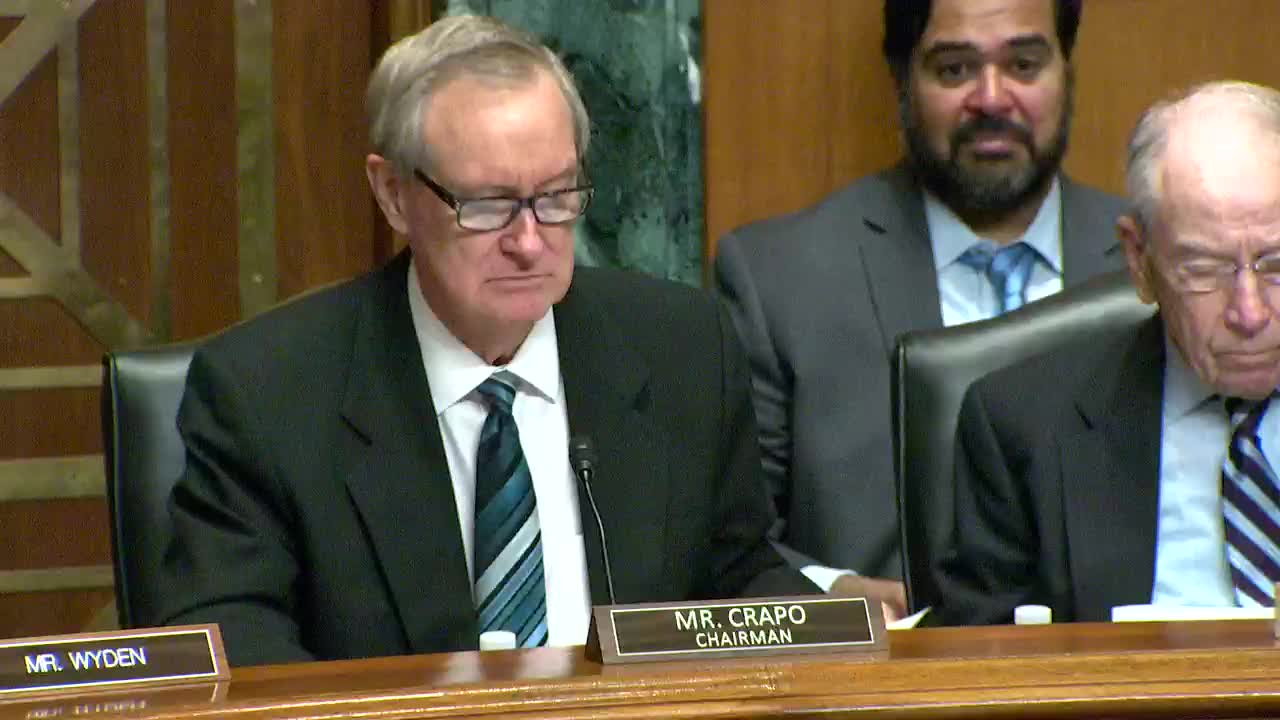
Medical device makers told the Senate Finance Committee on May 14, 2025, that broad tariffs on imported inputs risk disrupting hospitals’ access to essential equipment and raising health‑care costs.

The medical technology trade group AdvaMed’s president and chief executive, Scott Whitaker, told the committee that “MedTech products are mandatory, not optional. They can mean the difference between life and death, which is why they're highly regulated as they should be.” He said up to 70% of medical technology used in the United States is already made domestically and that the industry supports about 3,000,000 jobs.

Whitaker said many medical products contain hundreds of parts from multiple countries and moving production to the United States is a multiyear effort subject to regulatory approvals. He warned that sudden tariff increases would raise input costs and could imperil multi‑year relocation plans, citing an example of neonatal products that supply 50–70% of U.S. neonatal intensive care units and would take “3 to 5 years to fully implement” a move to domestic production.

Committee members pressed witnesses on options to strengthen domestic manufacturing without interrupting patient care. Whitaker recommended short‑term tariff flexibility for the sector, targeted exemptions for critical medical inputs, and tax and regulatory incentives and faster pathways for medical technologies to come to market. He asked for a “reciprocal 0 for 0 model” for medtech in any country‑by‑country tariff negotiations so humanitarian medical products remain tariff‑free.

Senators from both parties underscored the stakes for patients. In questioning, senators asked whether tariffs might force hospitals to pay more or create shortages. Whitaker reiterated that “the tariff barrier ... is the biggest challenge we've faced in a long time relative to accessing all the component parts we need to finish these products and provide them to hospitals.”

The witnesses and several senators called for narrowly targeted trade enforcement and for the committee to consider tax and regulatory incentives that make on‑shoring feasible without causing immediate supply interruptions.

Less critical details discussed in committee exchanges included the role of Medicare, Medicaid and VA purchasing contracts in constraining hospital prices and the industry’s view that medtech historically has been treated as humanitarian trade and that maintaining that treatment reduces risks to patients.