Lifetime Citizen Portal Access — AI Briefings, Alerts & Unlimited Follows
Senate Commerce Committee presses FAA on safety lapses, Newark outage and reauthorization implementation
Loading...
Summary
Senate committee members questioned FAA officials about recent safety incidents—including a midair collision near DCA and a 90‑second radar/communications outage at Newark—staffing shortfalls, and the pace of implementing the FAA Reauthorization Act of 2024. FAA witnesses described steps taken and promised follow‑up information and documents.
The Senate Commerce, Science and Transportation Committee on May 21 pressed Federal Aviation Administration officials on a series of recent safety lapses, technology failures and workforce shortages as it reviews implementation of the FAA Reauthorization Act of 2024.
Committee members opened the hearing citing the January fatal crash near Reagan National Airport (DCA), subsequent close calls and a separate Newark Liberty International Airport outage that left controllers without radar and communications for roughly 90 seconds. “It mandated an audit of all legacy pre‑2000 air traffic control systems to assess operational risk, functionality, security, and compatibility with current and future technologies,” Chairman Crews said in opening remarks about the 2024 law and why the committee is focused on implementation.
Why this matters: Senators said the incidents exposed weaknesses in redundant telecom lines, coordination with the Department of Defense on military flights near civilian airports, and the FAA’s ability to analyze safety data and act proactively. Several lawmakers pressed the agency for concrete timelines and documents, including memoranda of understanding with the Department of Defense and internal analyses of contingency testing and personnel reductions.
FAA officials told the committee they have been implementing many reauthorization requirements and taking immediate corrective steps. Franklin McIntosh, Deputy Chief Operating Officer for the Air Traffic Organization, said the agency has reduced some backlogs and rolled out new safety tools, and described contingency work after Newark’s outage: “When we lost that first line, the second line did not kick in like it was designed to do,” he said, explaining the technical reason controllers temporarily lost radar and voice capability. McIntosh said the FAA and its telecom vendors are adding a third redundant line and other fixes "to prevent this from happening again." He added the FAA has implemented a new contingency and is working to harden the affected systems.
On military flights near DCA, McIntosh said FAA leadership had been prepared to pursue the full range of options, including suspension of the Army’s letter of agreement, and that the Department of Defense ultimately suspended operations: “We were ready to deploy any option available that we could use or had, that we felt was necessary to bring safety measures and better behaviors from the DOD in this instance.” He also confirmed the direct hotline between Pentagon air traffic control and the DCA tower had been inoperable since March 2022 and said the FAA is insisting it be repaired before resumed operations.
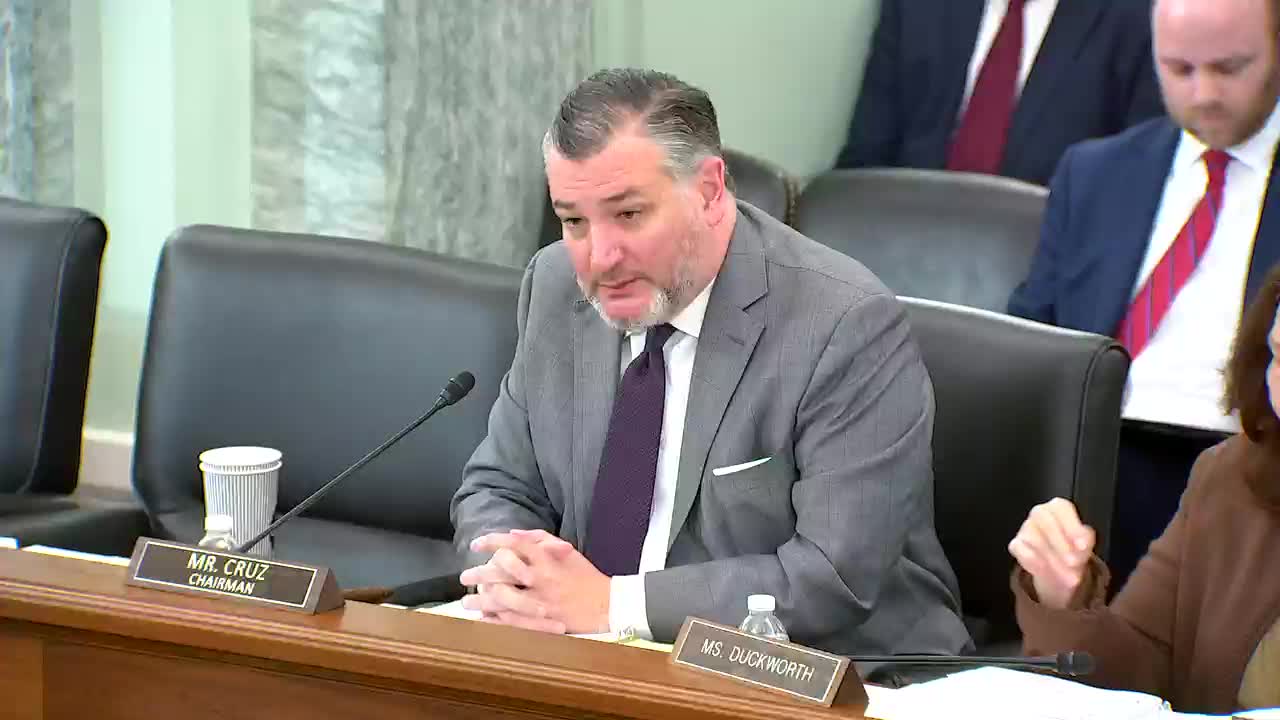
Ranking Member Tammy Duckworth, who pressed the agency on near‑term mitigations, emphasized the need for immediate, systemwide resilience testing: “In aviation safety, critical systems need to be redundant and resilient.” Duckworth asked how often the FAA simulates primary‑system failures to confirm backups will take over; McIntosh said he would follow up with a written response, noting the agency conducts required maintenance checks but could not immediately confirm the frequency of multi‑line failover tests.
Committee members repeatedly sought data analysis and trend monitoring. McIntosh and Jody Baker, Deputy Associate Administrator for Aviation Safety, told the committee the FAA is enhancing the Aviation Safety Information and Analysis System (ASIAS) and plans to use artificial intelligence and machine‑assisted tools to better detect trends across years of records and text‑based reports. “When we look over 10 years of data, I think some trends may escape someone,” McIntosh said, describing planned improvements to safety analytics.
Workforce and hiring came up throughout the hearing. Senators asked for specifics on controller hiring targets and current shortfalls. McIntosh said the agency aims to hire thousands of controllers in coming years and cited an ongoing pipeline of trainees; he also said some facilities remain short of their staffing goals and that traffic management initiatives (for example, ground delays) are used when staffing is insufficient.
Other program updates cited by FAA witnesses included: deployment of airport surface awareness technology (the agency said it has added the Surface Awareness Initiative at 18 sites since November 2024 and has more than 30 sites planned by the end of 2025, with other enhanced technologies at more than 70 airports); the planned Center for Advanced Aviation Technologies in the Dallas‑Fort Worth metroplex to be operated by the Texas A&M University System; and FAA efforts to accelerate hiring, streamline certification processing and expand workforce development partnerships with colleges.
What the committee asked FAA to provide: Senators asked for (1) the memorandum(s) of understanding or letters of agreement between FAA and the Department of Defense governing military operations near DCA; (2) documentation of contingency testing and the most recent infrastructure inspections for Philadelphia and Newark; and (3) internal analyses detailing how proposed or in‑process workforce reductions could affect safety‑critical functions. McIntosh and Baker agreed to provide follow‑up materials and to submit requested data to the committee.
The hearing closed with invitations for further oversight. Senator Moran announced a planned roundtable with DOD, FAA and NTSB investigators in June. Committee members gave the FAA until the committee’s written‑question deadline to provide detailed follow‑up responses; the committee also said senators will submit additional questions for the record.
Ending note: FAA witnesses described substantial ongoing work to implement the 2024 reauthorization law while acknowledging specific failures in coordination and redundancy. Committee members said they will continue close oversight and requested near‑term documents and timelines to assess whether corrective actions will adequately reduce operational risk.