Get Full Government Meeting Transcripts, Videos, & Alerts Forever!
Get email alerts on the Nuclear Nonproliferation topic
No spam. Unsubscribe anytime.
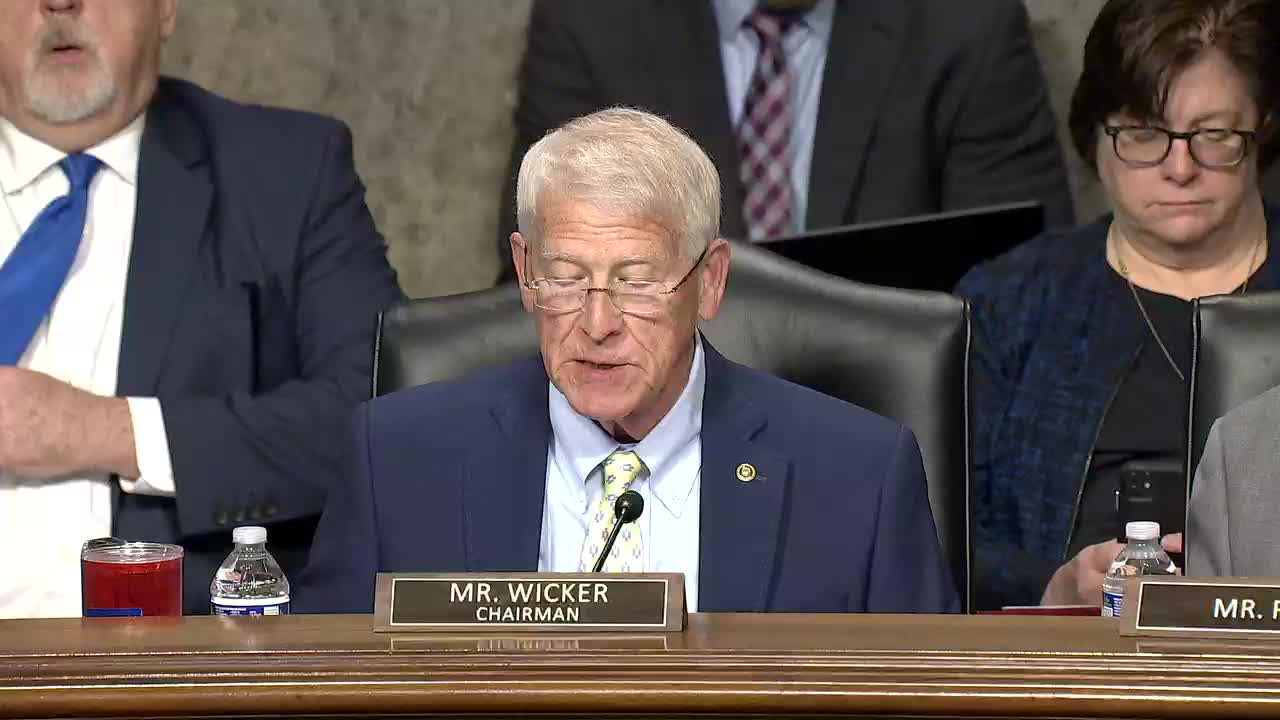
Senate Committee Probed Matthew Napoli on Nuclear Nonproliferation, Verification and NNSA Priorities
Summary
Nominee Matthew Napoli described priorities for the National Nuclear Security Administration’s nonproliferation work, including verification, international cooperation and emergency response readiness; senators pressed him on Iran, North Korea, non-state actors and laboratory workforce retention.
Dr. Matthew Napoli, nominated to be deputy administrator for defense nuclear nonproliferation at the National Nuclear Security Administration (NNSA), told the Senate Armed Services Committee he would bring technical and policy experience to bear on verification, securing nuclear material, and coordinating response capabilities if confirmed.
Napoli outlined a portfolio that includes supporting verification of arms control agreements, securing loose nuclear materials, and preparing for nuclear or radiological incidents. He described his background in naval nuclear propulsion, engineering and science-policy as foundational to leading NNSA nonproliferation programs.
Senators pressed Napoli on verification challenges with Iran, North Korea, and on preventing non-state actors from acquiring nuclear or radiological materials. Napoli said he supports the International Atomic Energy Agency’s safeguards and the broader goals of an Additional Protocol for verification, and pledged to work with State, Defense and international partners to bring technical tools to bear. He said he had not yet been briefed on classified, program-level intelligence matters but would work urgently with the interagency if confirmed.
Committee members also raised the risk that workforce reductions and morale issues could hurt technical capabilities at national laboratories and other centers of excellence. Napoli referenced his experience in the Naval Reactors program and said people, not organizations, accomplish missions; he pledged to prioritize personnel retention and the quality of technical expertise.
Lawmakers discussed NNSA equities in Nevada, including the Nevada National Security Site and Remote Sensing Laboratory assets that support detection and emergency response. Napoli said he had not yet been briefed in detail on those programs but would review them immediately if confirmed and apply his emergency-planning experience from naval nuclear propulsion.
Napoli told senators he views nuclear deterrence as the backbone of U.S. strategic defense policy and said NNSA’s work to provide a “safe, reliable and credible” nuclear deterrent is central to national security. He answered committee questions about cooperation with allies and international organizations and affirmed he would support NNSA efforts to share detection and safeguarding technologies with partners.
On AUKUS and the U.S.-Australia-UK partnership, Napoli described his prior involvement and said nonproliferation obligations are linked to cooperation on conventionally armed nuclear-powered submarines. He said the AUKUS framework offers “new asymmetric advantages” in the Indo-Pacific and that the United States must meet its commitments to partners while also defining deliverables for pillar-two collaboration.
Napoli answered standard committee oversight questions in the affirmative and pledged to appear and provide records and witnesses when requested.