Lifetime Citizen Portal Access — AI Briefings, Alerts & Unlimited Follows
Senate Subcommittee Questions Feasibility, Cost and Timeline for 'Golden Dome' homeland missile-defense effort
Loading...
Summary
Witnesses told the Senate Armed Services subcommittee that work is underway to design an integrated homeland air and missile-defense architecture called "Golden Dome," but officials and senators raised questions about scale, timelines, and costs and said final architecture decisions are tied to the President’s budget.
WASHINGTON — Senior Department of Defense officials told a Senate Armed Services subcommittee that the department is developing design options for an integrated homeland air and missile-defense architecture called “Golden Dome,” but that key technical decisions and funding remain pending with the White House and the FY26 budget process.
“The President has mandated that The United States will develop and field a next generation missile defense shield to provide for the common defense of our citizens and the nation and deter, defend against and defeat any foreign aerial attack on the homeland,” Ms. Yaffe said in her opening statement, summarizing the policy directive conveyed to the Office of the Secretary of Defense.
The subcommittee heard that the department completed a 60‑day study and briefed options to senior leaders; those options were further refined by technical experts and have been provided to the Secretary of Defense and the White House, Ms. Yaffe said. She added the administration is expected to announce decisions in conjunction with the President’s budget request.
Senator King pressed witnesses on feasibility and scale, asking whether a deterrence-by-denial approach could realistically stop a large, coordinated campaign of thousands of missiles from a peer power. “I’m a great believer in deterrence. I’m just not sure deterrence by denial is realistic in this setting. Convince me,” King said.
Officials described Golden Dome as an integrated, layered approach that requires dramatic improvements in domain awareness — seabed to space — and in interceptor and non‑kinetic options such as directed energy. General Guillot, commanding NORTHCOM, told the panel that “the domain awareness layer of Golden Dome is the most critical” and emphasized an undersea, ground, air and space sensing architecture to detect and track advanced threats.
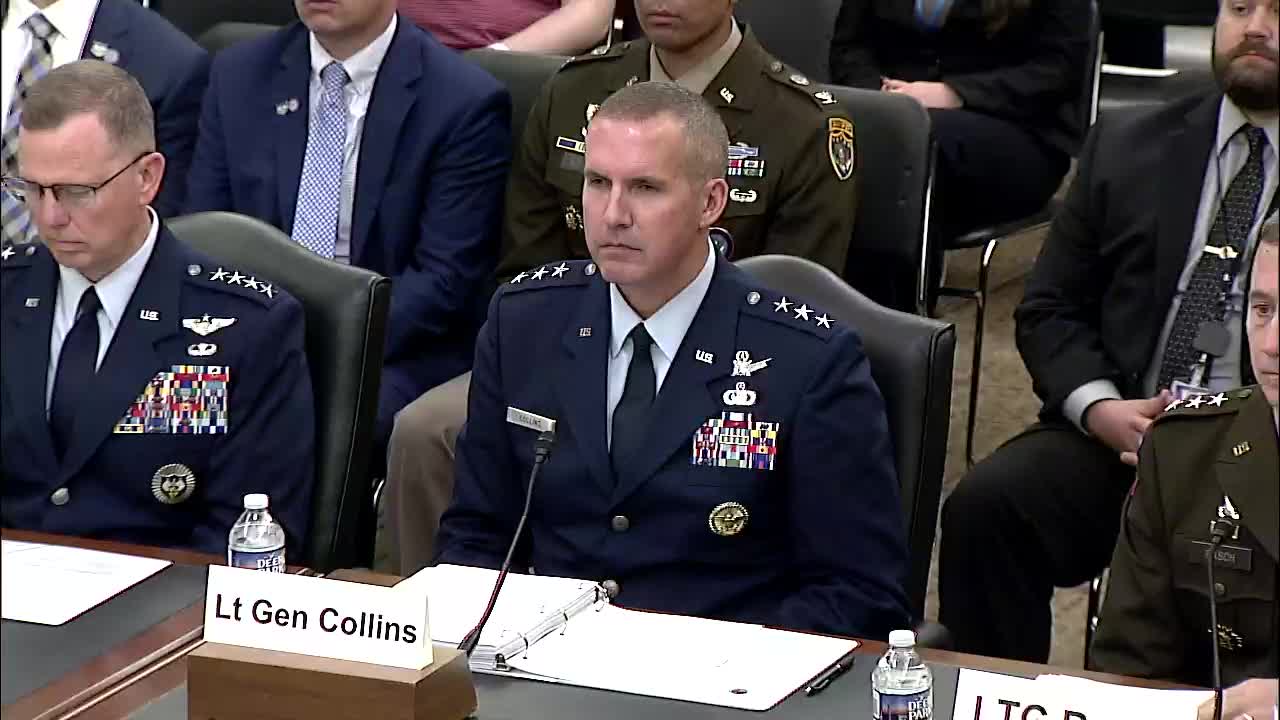
Lieutenant General Collins of the Missile Defense Agency said prototype space sensors have demonstrated promising track quality and latency for hypersonic threats and that those sensor requirements are being incorporated into follow‑on space architectures. Collins also said production lines for some interceptors remain open following recent operational use overseas and supplemental replenishment funding.
Senators and witnesses repeatedly emphasized that architecture choices and the pace of deployment are contingent on forthcoming budget decisions. King and others questioned whether the costs of scaling a Golden Dome‑like architecture nationwide would be commensurate with likely effectiveness against evolving hypersonic and maneuverable threats.
The subcommittee took no formal votes. Senators signaled intent to hold follow‑on hearings after the administration’s budget and the Secretary’s decisions on the Golden Dome architecture are released.