Lifetime Citizen Portal Access — AI Briefings, Alerts & Unlimited Follows
Land trusts and landowners urge Congress to bolster easement programs and streamline easement valuation
Loading...
Summary
Witnesses from land trusts and agricultural groups urged the Senate Agriculture Committee to maintain and strengthen easement and land protection programs in the next farm bill, to simplify sign‑up and valuation methods, and to remove administrative barriers that slow easement transactions.
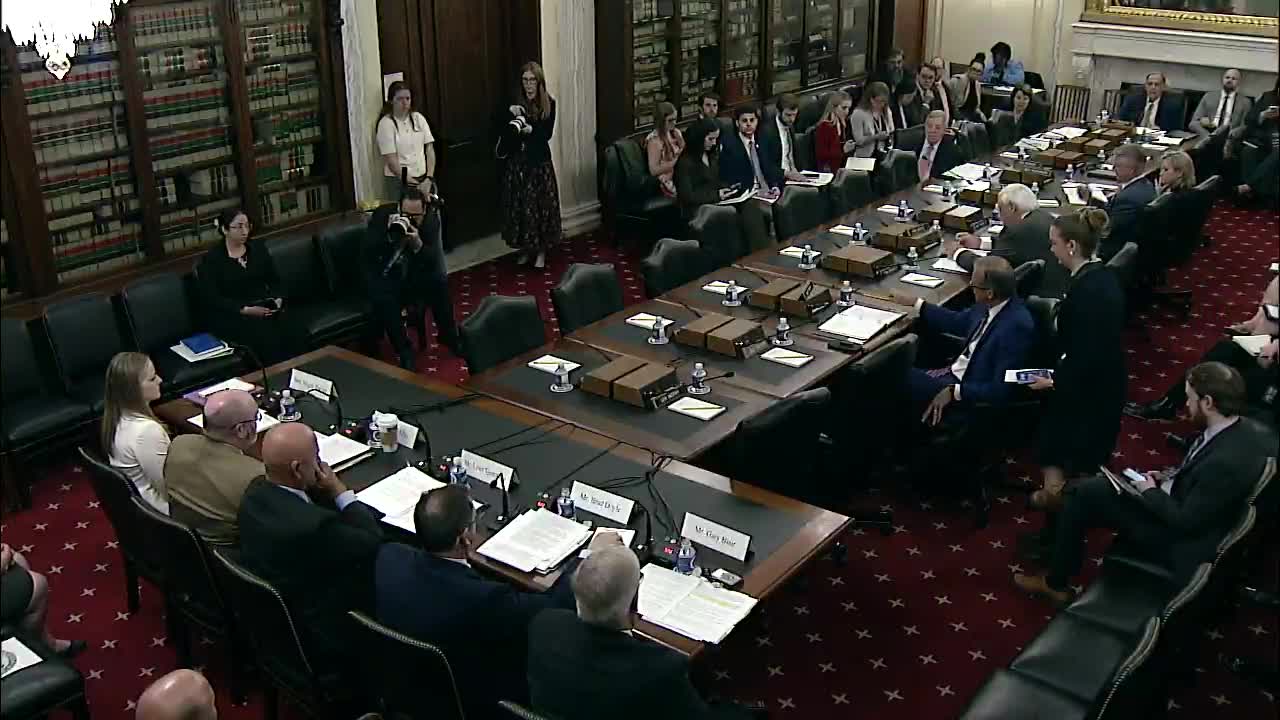
Witnesses at a Senate Agriculture Committee hearing urged lawmakers to preserve and strengthen federal programs that support voluntary conservation easements and working‑land protections, citing demand from landowners and the need to keep productive land in farming.
Why it matters: easement programs such as the Agricultural Conservation Easement Program (ACEP), the Agricultural Land Easement component (ALE), and the Regional Conservation Partnership Program (RCPP) combine federal money with state and private funds to make long‑term land protection viable. Witnesses said these tools help protect water resources, wildlife habitat, and farm viability while keeping land in production.
Chad Ellis, executive officer of the Texas Agricultural Land Trust, told senators his organization has helped protect "over 300,000 acres across Texas" and asked Congress to "eliminate the adjusted gross income limitations from ACEP ALE because compensation for the purchase of conservation easement is not a subsidy, but a, payment, but a convenience, conveyance of a private real property." Ellis also urged exempting easement payments from future AGI calculations and reducing administrative burdens that delay projects.
Lynn Churchman and other witnesses backed expanding certified‑entity authorities, which delegate implementation to qualified local partners, and urged simplifying sign‑up processes. Churchman said the conservation easement and related programs provide "long term certainty" for landowners and recommended making the easement process more workable so projects can move forward even with modest federal capacity.
Senator Michael Bennet asked about valuation methods for easements, saying current approaches can emphasize lost development potential rather than ecological and water‑resource values. Ellis said valuation approaches should reflect conservation value and caution against creating speculative markets that would favor investors over farm families; he suggested stacking values such as groundwater conservation and carbon market credits to better represent long‑term benefits.
The Texas Agricultural Land Trust and other witnesses pressed Congress to maintain funding for ACEP, ALE, RCPP and similar programs and to consider adjustments to allow more flexible, locally tailored easement transactions. No formal action was taken; the hearing record was left open for five business days.
Less critical details: witnesses discussed high rates of land conversion in some states (testimony cited losses of land and farms in Texas), the role of private partnerships in leveraging federal dollars, and the use of certified entities to delegate program delivery to trusted local organizations.