Get Full Government Meeting Transcripts, Videos, & Alerts Forever!
Get email alerts on the Parole Conditions topic
No spam. Unsubscribe anytime.
Parolee argues facial challenge to standard parole conditions; Appeals Court presses adequacy of declaratory pleading
Summary
Kevin Norris told the panel his complaint sought a declaratory ruling that the parole board’s internet and smartphone monitoring conditions violate constitutional rights; the Parole Board argued the complaint failed to allege a consistent, generalized injury and that the record is inadequate for appellate resolution; court suggested remand to the
An Appeals Court argument in Kevin Norris v. Massachusetts Parole Board tested whether a parolee can obtain a declaratory ruling that standard sex‑offender parole conditions are facially unconstitutional and whether the complaint adequately pleaded a repeated, generalized injury.
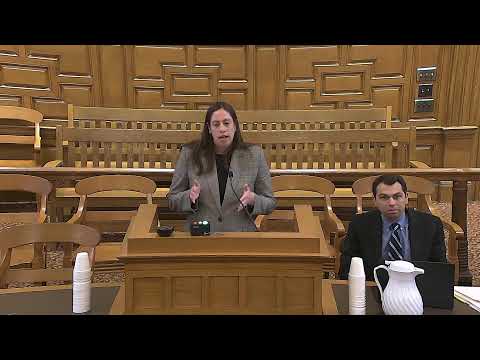
Counsel for Kevin Norris argued the superior court should have resolved declaratory‑judgment claims alleging that the parole board’s internet and smartphone restrictions and monitoring constitute unreasonable searches and exceed the board’s authority. Norris’s lawyer said the contested conditions are drawn from the board’s ***‑offender guidelines and, even if applied individually, raise systemic First Amendment and privacy questions that the court should decide on the record: “The superior court in this case should have decided Mr. Norris’s declaratory judgment claims on their merits,” counsel told the panel.
Assistant Attorney General Nicole Nixon, arguing for the Parole Board, countered that Norris’s pleadings were insufficient under controlling appeals precedent. Nixon said the complaint primarily challenges the conditions as applied to Norris and does not allege the consistent, repeated pattern of violations required for a facial or generalized declaratory remedy. She also told the panel the record is incomplete and that the board had already modified some conditions in the administrative proceedings, meaning the appeals court would lack an adequate factual record to reach a facial constitutional ruling.
The panel explored procedural paths. Justices questioned whether Norris could instead file a new declaratory action that more expressly alleges a generalized rule or policy, and whether remand to the superior court for further fact‑finding would be the appropriate next step. The panel took the case under advisement.