Get Full Government Meeting Transcripts, Videos, & Alerts Forever!
Get email alerts on the Litigation Privilege topic
No spam. Unsubscribe anytime.
Appeals argument tests scope of litigation privilege after city solicitor circulated investigatory report
Summary
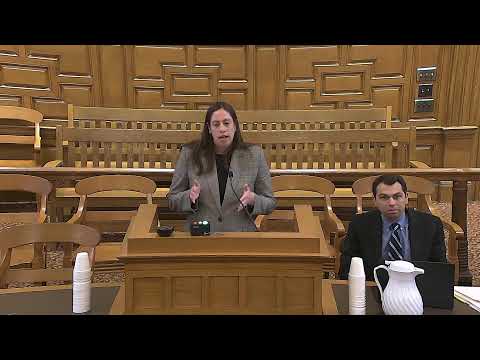
The Appeals Court heard argument in Michelle Mangino et al. v. Paul Capizzi over whether a city solicitor’s distribution of an investigative report is protected by the litigation privilege.
The Appeals Court heard argument in Michelle Mangino et al. v. Paul Capizzi over whether a city solicitor’s distribution of an investigative report is protected by the litigation privilege.
Matthew Hamill, representing City Solicitor Paul Capizzi, told the panel the solicitor’s disclosure fit the privilege because it related to anticipated or ongoing litigation and to the city’s legal position: the complaints had generated an investigation and those matters were the subject of administrative (MCAD) filings that are typically a prelude to litigation. Hamill argued motive is not material to a litigation‑privilege analysis and said the report was a statement of the city’s legal position aimed at resolving grievances: “the conduct by attorney Capizzi in disclosing the investigative report was not preliminary to or during the course of litigation,” he told the court.
Joseph Sullivan, representing the plaintiffs, said the claim centers on the email Capizzi sent to union leadership and other recipients and that the complaint adequately alleges the email deviated from Capizzi’s routine practice of not releasing records. Sullivan argued the complaint pleads that the investigator promised confidentiality for witness interviews and that Capizzi’s disclosure of identifying personal information exceeded any privilege; he described the actionable conduct as the transmission of the report to persons outside the investigatory or litigation team: “It's over the email,” Sullivan said, arguing the email — not the underlying report alone — gave rise to the claim.
The panel probed several lines of fact that the parties agreed were in dispute at the pleading stage: whether the solicitor participated in the MCAD or grievance process in a litigation role, whether the union president had a relevant role in the pending administrative proceedings, and whether the investigator had given confidentiality assurances to interview subjects. Hamill argued the MCAD filings and grievance process were sufficiently related to litigation to bring the disclosure within the privilege and stressed precedent that privileges apply to communications preliminary to litigation. Sullivan responded that the complaint, read in plaintiffs’ favor under Rule 12(b)(6), alleges facts that defeat the privilege by showing the email was outside the solicitor’s normal practice and disclosed confidential witness material.
The panel took the question under advisement.