Get Full Government Meeting Transcripts, Videos, & Alerts Forever!
Get email alerts on the Evidence Identification topic
No spam. Unsubscribe anytime.
Appeals panel questions detective testimony, identification evidence and sentencing issues in juvenile murder prosecution appeal
Summary
In Carmel v. Juvenile, counsel argued detective testimony and allegedly impermissible comparisons of clothing and prior encounters prejudiced the juvenile's trial; the defense also pressed ineffective‑assistance and disputed how mandatory minimums apply to sentencing for juvenile offenders. The court took the matters under advisement.
The Appeals Court heard argument in Carmel v. Juvenile about whether a lead detective’s testimony, descriptions of clothing and photographic comparisons improperly suggested the juvenile’s guilt and whether other trial errors cumulatively require relief.
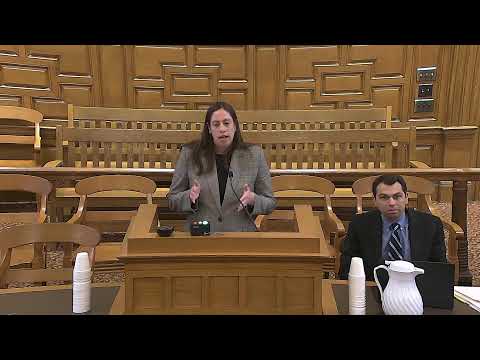
Michelle Minkgan, counsel for the juvenile, told the panel she would press three principal claims: that Detective Ovale’s testimony improperly implied prior bad acts and expressed identification beyond the evidence; that the juvenile received ineffective assistance of counsel; and that the juvenile’s sentence raised a complex statutory issue about mandatory minimums and split sentences. Minkgan said the detective repeatedly exceeded permissible testimony despite an earlier in‑court ruling and that a single limiting instruction did not cure the cumulative prejudice: “the effect of all of this together was not mitigated by that 1 limited limiting instruction,” she said.
The Commonwealth’s lawyer, Jennifer Cohen, acknowledged some testimony “would have been better left unsaid” and that the judge had admonished the detective; she disputed that the misconduct created a substantial risk of a miscarriage of justice in light of other circumstantial evidence, including photographs and cellphone images the prosecutor argued connected the juvenile to a firearm. Cohen said the detective never positively identified anyone in the contested videos and left identification for the jury.
A central factual tension at argument was whether similarly clothed individuals visible in surveillance stills and a recovered cellphone photo were distinctive or simply commonplace community dress. Minkgan emphasized a “look‑alike” issue and argued the lead detective’s repeated commentary allowed the jury to infer expertise beyond the admitted evidence; Cohen responded that clothing comparisons were factually accurate and that none of the contested testimony identified a person to the jury.
Minkgan also pressed a Brady/notice claim about the timing and provenance of photographs and asked the panel to treat the defense‑opening promise that did not materialize as prejudicial in the ineffective‑assistance analysis. On sentencing, counsel disputed whether the statute’s punctuation and construction permit a split sentence and whether an 18‑month minimum for House‑of‑Correction time may be suspended or reduced. Counsel cited appellate decisions and argued the mandatory‑minimum language requires a particular reading.
The panel questioned both sides about the cumulative effect of errors, what remedial options were available to the trial judge, and whether the record supports reversal under the applicable standard. The court took the matters under advisement.