Lifetime Citizen Portal Access — AI Briefings, Alerts & Unlimited Follows
Senators challenge EPA on FY2026 cuts, warn state revolving funds face steep reductions
Loading...
Summary
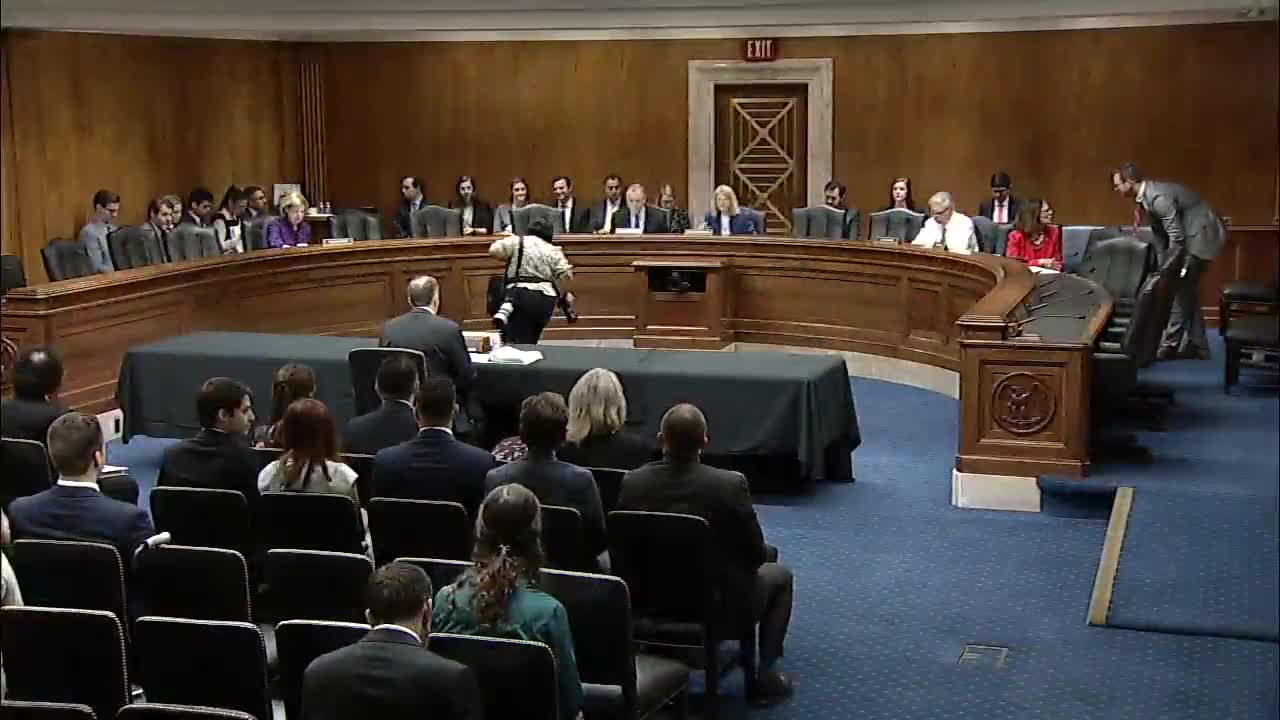
During a Senate Appropriations subcommittee hearing, senators from both parties pressed EPA Administrator Zeldin about proposed FY2026 budget cuts that would sharply reduce the Clean Water and Drinking Water State Revolving Funds and other categorical grants, citing risks to local water infrastructure.
Sen. Lisa Murkowski, chair of the Senate Appropriations Subcommittee on Interior, Environment, pressed EPA Administrator Zeldin on May 20, 2025, over a fiscal year 2026 budget “skinny” that would sharply reduce funding for state water infrastructure and other EPA programs.
“I'm looking at some of these proposed cuts ... I find many of them problematic,” Murkowski said, singling out what she described as an 88% reduction to the State Revolving Funds.
Nut graf: The Clean Water State Revolving Fund (SRF) and Drinking Water SRF provide low-cost financing for municipal water and wastewater projects. Senators warned that steep reductions or program pauses would delay or cancel projects that local governments, tribal nations and rural communities rely on to meet public-health standards.
Sen. Jeff Merkley, the subcommittee's ranking member, told the administrator the proposed topline would “slash EPA by 54%” and “drain 90% of funding from the state revolving funds,” arguing those cuts would leave small communities without help to replace aging treatment and distribution systems.
Administrator Zeldin replied that the “skinny” document does not zero the SRF and that “it has hundreds of millions of dollars there in it,” adding he expects conversations with Congress about final funding levels and the role of congressionally directed spending (earmarks) in reducing available balances. “So as we go forward ... I look forward to more conversations about the SRF,” Zeldin said.
Senators from both parties described real-world consequences: Murkowski said Alaska communities have an urgent construction season and cited canceled community grants; Sen. Patty Murray said categorical grant cuts would “incapacitate state environmental programs,” and urged bipartisan work to restore funding.
Several senators asked the administrator to confirm that, if Congress re-appropriates SRF funds, EPA will distribute them as directed. Zeldin agreed, saying, “If Congress appropriates the funds, we'll make sure that it's spent.”
Ending: The subcommittee held the record open for additional questions through May 21 and signaled plans for follow-up negotiations as Congress prepares appropriation bills. No formal budget decisions were made at the hearing.