Get Full Government Meeting Transcripts, Videos, & Alerts Forever!
Get email alerts on the Settlement Releases topic
No spam. Unsubscribe anytime.
Appeals court weighs whether federal settlement release bars state defamation suit against trustee
Summary
The Appeals Court heard a dispute over whether a settlement release tied to a federal civil-rights case bars a later state defamation claim against an individual trustee; attorneys disagreed about how broadly the federal release extinguished claims “arising out of or relating to” the federal complaint’s allegations.
The Massachusetts Appeals Court considered whether a settlement agreement resolving a federal civil‑rights suit precluded a later state‑court defamation claim against a trustee whose allegedly false statements were not expressly pleaded in the federal complaint.
The practical question before the court was whether a broadly worded release in the settlement — which said it covered “all claims of every kind, nature, and description … arising out of or relating to the allegations set forth in the federal complaint” — was intended to bar the distinct state defamation lawsuit the plaintiff later filed.
Douglas Hausler, representing appellant Jeffrey Hagopian, told the panel the release language is ambiguous and should be construed against the drafter; he argued the federal complaint focused on alleged deprivations of constitutional rights by university officials and did not assert a common‑law defamation claim, so a later defamation suit should not be swept up by the settlement language. “I think it gets down to relating to or arising from,” Hausler told the panel, arguing the allegations in the federal complaint concerned due‑process and related conduct and not the individually‑uttered, allegedly defamatory words.
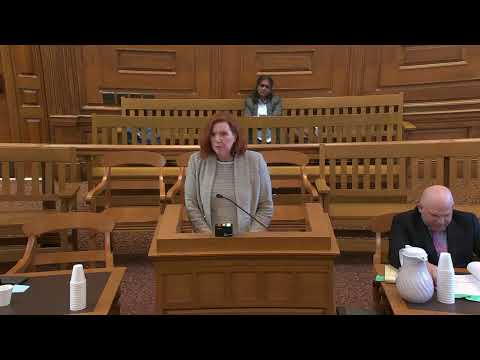
Assistant Attorney General Ginny Kramer, appearing for respondent Jeffrey Wilkinson, argued the release was deliberately broad and that it specifically named “the Commonwealth and any of its current or former officials, specifically including trustees” and was meant to bar future litigation against the Commonwealth and its officers “in both their individual and official capacities” with regard to allegations in the federal complaint.
The justices pressed both sides on whether the release’s phrase “allegations” should be read as covering factual assertions in the federal complaint (which included a paragraph stating Wilkinson sent a letter containing “several false accusations”) or whether the release properly was limited to the claims and parties actually litigated in federal court. Counsel debated whether the state defamation claim derived from the same factual allegations and thus fell within the settlement’s broad language.
Counsel also argued about indemnity risks and whether the Commonwealth fairly bargained to avoid the cost of further litigation by including its employees and officials in a broad release; the appellee said the Commonwealth reasonably sought a comprehensive bar to future suits to limit taxpayer exposure.
The court heard extensive argument and said it would review briefs and the record before issuing a decision. The outcome will determine how broadly settlement releases in municipal‑defendant federal settlements are construed and whether plaintiffs can bring later tort claims that relate to factual allegations in the earlier federal filing.
A resolution favorable to Wilkinson would uphold broad releases and limit successive suits by plaintiffs who settled federal claims; a ruling for Hagopian could permit more narrow readings of releases where subsequent state claims rest on different factual allegations or on statements not expressly pleaded in the original federal complaint.