Get Full Government Meeting Transcripts, Videos, & Alerts Forever!
Get email alerts on the Weaponization Of State Government topic
No spam. Unsubscribe anytime.
Former Michigan attorneys general warn against 'weaponization' of attorney general's office
Summary
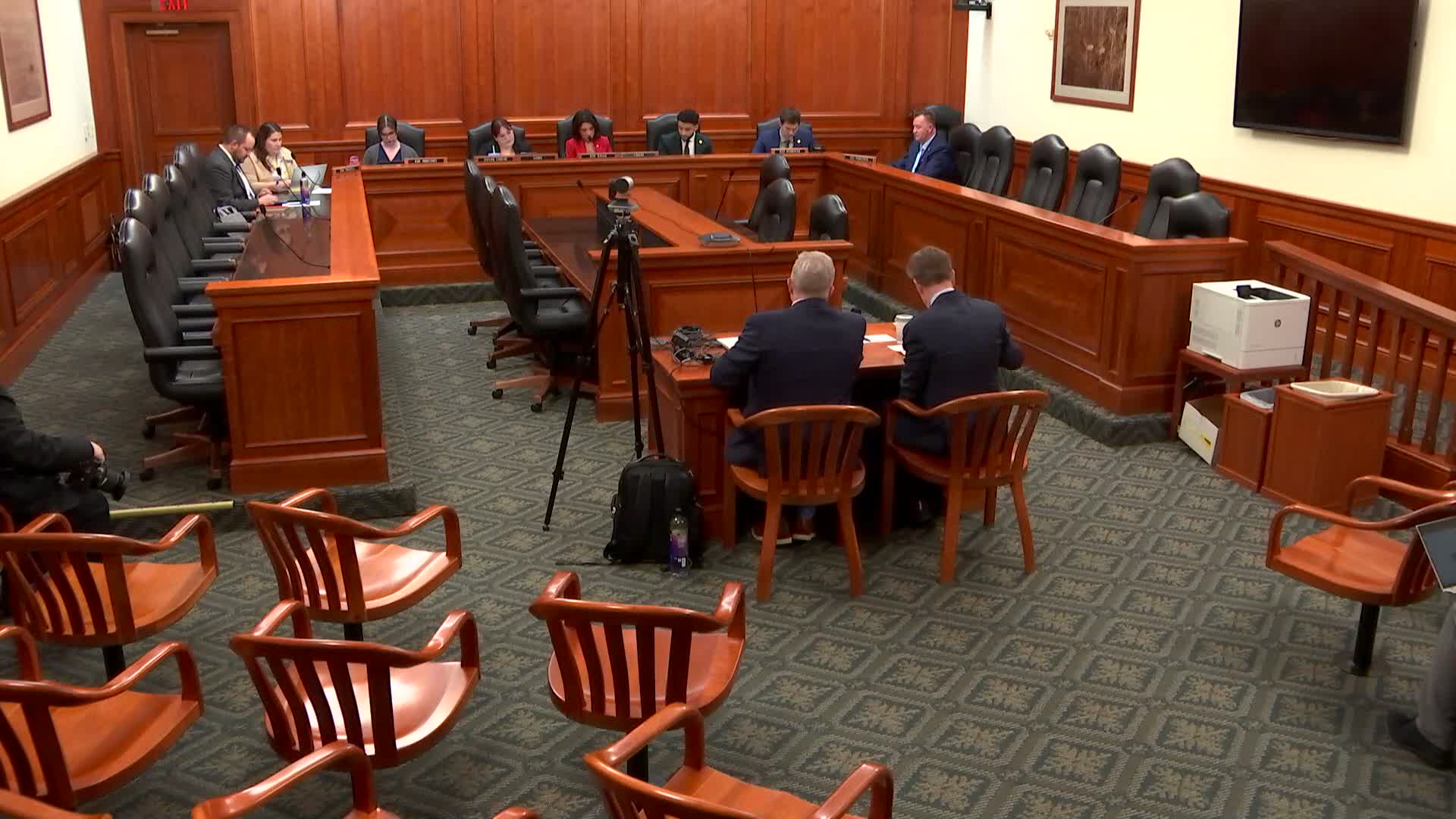
The Oversight Subcommittee on Weaponization of State Government convened and heard testimony from two former Michigan attorneys general who urged safeguards to prevent politicized use of the attorney general's office.
The Oversight Subcommittee on Weaponization of State Government convened and heard testimony from two former Michigan attorneys general who urged safeguards to prevent politicized use of the attorney general's office.
Former Attorney General Bill Schuette (2011–2019) and former Attorney General Mike Cox (2003–2011) told committee members the office must prioritize public safety and enforce the Michigan and U.S. constitutions rather than advance partisan aims. "The first responsibility of the attorney general is public safety," Schuette said. Cox added that the office must "take the state laws of constitution as it's written."
Why it matters: Committee members framed the hearing around concern that prosecutorial or civil actions by the attorney general can be used as political tools. Lawmakers pressed the witnesses on high-profile recent matters — including criminal prosecutions connected to the Flint water crisis and the prosecution of 16 alternate electors after the 2020 presidential election — and on transparency about costs and staffing.
Schuette and Cox described how the attorney general's office typically operates and what institutional checks they relied on while in office. Cox said most of the office's roughly "300 plus lawyers" function like corporate counsel for state government and that the office has an annual operating budget he described as about "$80,000,000 every year." Both former attorneys general pointed to internal structures they said reduce the risk of politicization: experienced deputy chiefs, an ethics officer, an opinion-review process and reliance on career staff. "When Bill talks about reaching out to having Democrats part of his team when he was a Republican ... that was practical ... to provide kind of the institutional ethical and just general judgment checks," Cox said.
They gave examples of high-profile matters handled while they were in office. Schuette described four major investigations his office pursued — the MSU-Larry Nassar prosecution, the Flint investigation, a meningitis-related matter and an investigation into clergy abuse — and emphasized relying on a "very strong team" of experienced prosecutors and judges when deciding charges. Cox described suing the federal government in cases he said directly affected Michigan, including litigation over Asian carp that he said led to federal appropriations (he cited a congressionally appropriated $280,000,000 for a project to prevent carp from entering Great Lakes waters).
Committee members repeatedly asked about what safeguards prevent the attorney general's office from being used as a political weapon. Cox and Schuette pointed to professional discretion, ethics rules and internal review while acknowledging that "ultimately, it comes down to the person in charge," as Cox put it. Both said politics should not be the guiding force in decisions to bring criminal charges or civil litigation on behalf of the state.
Lawmakers probed specific recent controversies. Representative Shriver told the committee he had previously been ticketed at a First Amendment event and said "our current attorney general tried stripping my professional business license for that," presenting that as an example of alleged weaponization. Cox criticized public comments by the sitting attorney general, Dana Nessel, saying a Detroit News article reported Nessel described the false electors as "brainwashed," and argued that such statements could undercut a criminal prosecution's theory if the prosecution alleges the defendants knowingly misrepresented facts.
On the question of lawsuits against the federal government, Cox said his office sued when actions directly affected Michigan residents or the state's interests; he cited the Asian carp litigation as an example. Both former attorneys general also said some suits by states challenging federal organization or personnel policy may be poor uses of state resources if they do not advance a clear state interest.
Transparency and oversight were recurring themes. Schuette said his office published billing information online while he served and invited stronger appropriations oversight: "When you have transparency, you can have accountability." Representative Shriver asked whether outside funding (for example, by private donors) had been accepted; both witnesses said they did not take such funding while in office.
Committee business: Representative Shriver moved to adopt the minutes from the March 12 meeting; the clerk reported five members present and the minutes were "adopted by unanimous consent." Near the hearing's close, Chair Regas said the committee had requested documents from Attorney General Nessel related to Flint expenditures and that those documents were "expected next week," adding that, if they are not provided, the committee will pursue a subpoena. The committee also indicated it will hold a future hearing specifically on the alternate-electors prosecutions.
The hearing included sustained discussion of balancing prosecutorial ethics, institutional checks, and public accountability when an elected attorney general exercises broad civil and criminal authority.
The meeting stood adjourned after the committee chair closed the session.