Get Full Government Meeting Transcripts, Videos, & Alerts Forever!
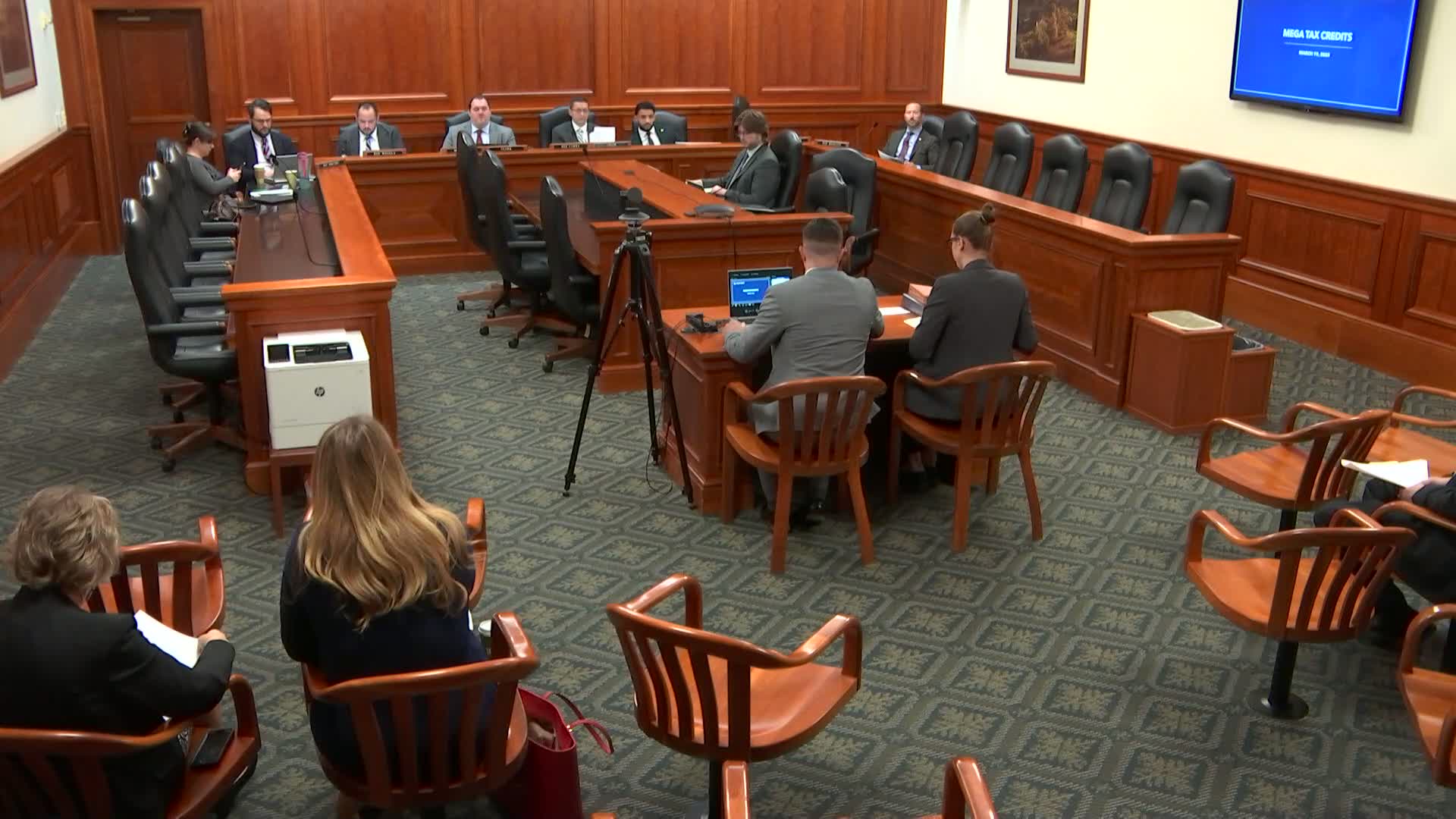
House Oversight Subcommittee Questions MEDC on MEGA Tax Credits' Transparency and Compliance
Summary
At a House Oversight Subcommittee hearing on corporate subsidies and state investments, Michigan Economic Development Corporation officials explained the MEGA tax credit program and answered questions about compliance sampling, outstanding certificated credits and statutory limits on disclosure.
At a House Oversight Subcommittee hearing on corporate subsidies and state investments, Michigan Economic Development Corporation officials explained the state’s MEGA (Michigan Economic Growth Authority) tax credit program, its compliance procedures and estimates of remaining certificated credits, while committee members pressed for greater transparency and detail about program costs and job retention.
The MEGA program was created by the Legislature in 1995 and, MEDC officials said, stopped issuing new agreements in 2011 after the tax code change that replaced the Michigan Business Tax (MBT) with the Corporate Income Tax (CIT). Josh Hunt, with the MEDC, said the program “was started, in 1995 and established by the legislature and signed into law by Governor Engler,” and that credits issued under the program are refundable — meaning they can reduce a company’s MBT liability below zero and generate a refund from the state treasury.
The committee’s questioning focused on three central areas: how the MEDC verifies eligibility for credits, what company-level tax and filing data the state may legally share, and the scale of remaining obligations tied to outstanding certificated credits. Kristen Armstrong, senior vice president for business development programs and execution at the MEDC, described the agency’s compliance work and audit procedures: “The tax credits are subject to a very rigorous audit and verification process,” she said, adding that the compliance team performs a random-sample audit of employee lists…
Already have an account? Log in
Subscribe to keep reading
Unlock the rest of this article — and every article on Citizen Portal.
- Unlimited articles
- AI-powered breakdowns of topics, speakers, decisions, and budgets
- Instant alerts when your location has a new meeting
- Follow topics and more locations
- 1,000 AI Insights / month, plus AI Chat