Get Full Government Meeting Transcripts, Videos, & Alerts Forever!
Get email alerts on the Tax Incentives topic
No spam. Unsubscribe anytime.
Experts tell Michigan subcommittee mega tax credits show mixed effectiveness, recommend tighter rules
Summary
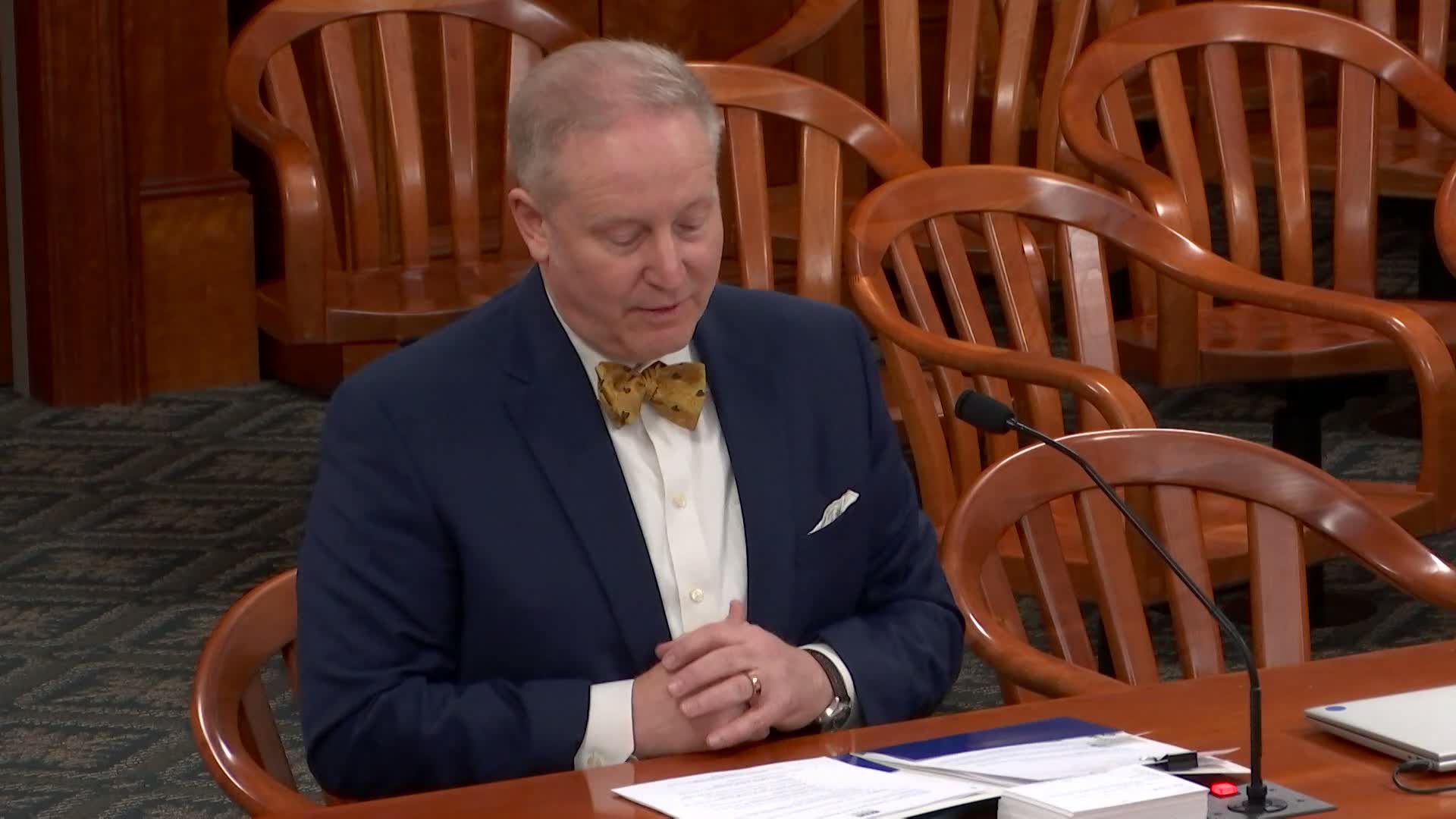
Patrick Anderson of Anderson Economic Group told the Oversight - Corporate Subsidies and State Investments subcommittee that state tax incentives show “wide variation in the effectiveness of the programs” and urged lawmakers to ask tougher questions before approving subsidies.
Patrick Anderson of Anderson Economic Group told the Oversight - Corporate Subsidies and State Investments subcommittee that state tax incentives show “wide variation in the effectiveness of the programs” and urged lawmakers to ask tougher questions before approving subsidies.
Anderson said his firm cataloged dozens of Michigan incentive programs and examined eight of the most prominent. "This is an important question. We are taking the people's money. You, the legislature, are the...person that governs the purse, and you ought to be asking good questions about not only taxes, but tax incentives," Anderson said.
Why it matters: Anderson said effective incentives should address concrete cost disadvantages and support long-term business activity; ineffective programs can be costly and transient. He identified Public Act 198 (PA 198) as one program that helped correct Michigan's industrial cost disadvantages, and named older programs such as PA 24 and the state's film credit as examples that produced little lasting economic benefit.
Anderson summarized key findings from a prior Anderson Economic Group review and his firm's ongoing work across states: some incentives can outperform a small, across-the-board tax-rate reduction for the same revenue cost, while others—especially credits tied to short-lived or mobile activity—fail to create durable jobs or local spending. "If you're not building long lasting economic activity in the state, you should not be spending tax incentive money on it," he said, describing the film credit as a "poster child for untrammeled waste of taxpayer money."
Committee members pressed Anderson on methodology and on alternatives to credits. Anderson said the firm's approach identifies the relevant tax base, estimates behavioral responses (how firms change activity when taxes change), and compares each program to a counterfactual of a proportional tax-rate change; he said detailed calculations are available in an appendix to the report.
Lawmakers also asked whether incentives remain necessary. Anderson said there is more consensus today that targeted programs are appropriate, but cautioned incentives are not a substitute for overall economic strengths such as good infrastructure, a stable business environment and strong universities. He pointed to transportation funding and reliable roads as clear public investments Michigan still needs and said jurisdictions such as Kentucky and Tennessee have combined infrastructure improvements with incentives when they outcompeted Michigan for major investments.
Anderson closed by urging the subcommittee to focus on defining clear goals, limiting credits to activities that produce sustained local economic value, and tightening statutory requirements so incentives deliver measurable benefits.
The subcommittee continued the hearing with an audit presentation and public-interest testimony on the mega tax credits.